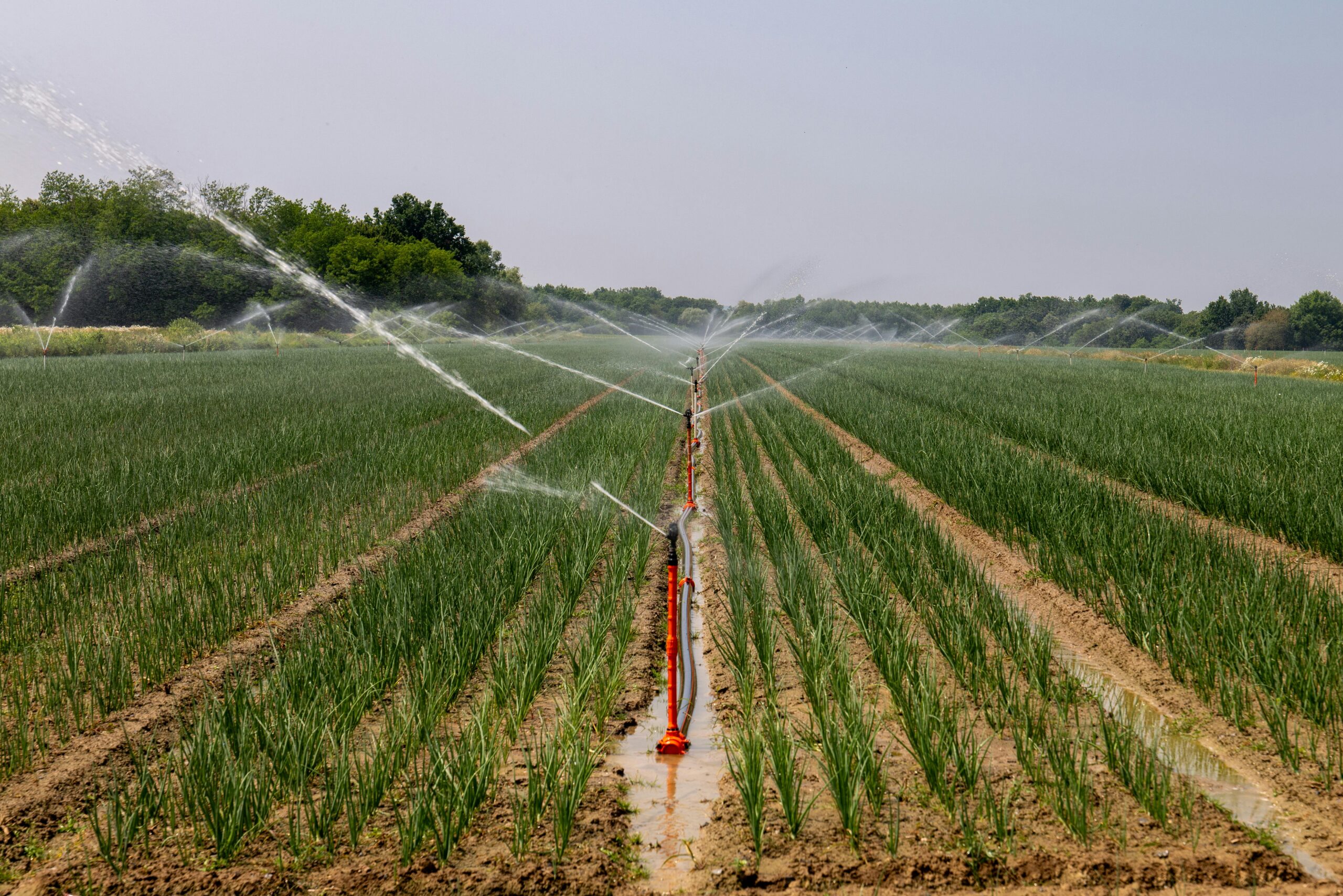
Modern agriculture stands at a crossroads where innovation meets environmental responsibility, and regenerative harvesting emerges as the bridge between productivity and planetary health.

🌱 Understanding Regenerative Harvesting: Beyond Conventional Farming
Regenerative harvesting represents a paradigm shift in how we approach agricultural production. Unlike traditional farming methods that often deplete soil nutrients and harm ecosystems, regenerative practices focus on restoring and enhancing the natural resources that make farming possible. This approach doesn’t merely sustain the current state of agricultural lands—it actively improves them with each harvest cycle.
The concept draws inspiration from natural ecosystems where nothing goes to waste, and every element contributes to the health of the whole system. When we apply these principles to farming, we create agricultural systems that can feed growing populations while simultaneously healing the planet. This isn’t just theoretical optimism; farmers worldwide are documenting measurable improvements in soil health, water retention, and crop yields through regenerative practices.
At its core, regenerative harvesting considers the entire lifecycle of crops and their relationship with the surrounding environment. It examines how harvesting techniques impact soil structure, microbial communities, and the land’s capacity to produce healthy food in future seasons. This holistic perspective transforms farming from an extractive industry into a regenerative one.
The Science Behind Soil Regeneration 🔬
Healthy soil forms the foundation of regenerative agriculture, and understanding its complexity reveals why conventional farming falls short. Soil isn’t just dirt—it’s a living ecosystem containing billions of microorganisms, fungi, and other life forms that work together to create the conditions for plant growth. When we harvest crops using regenerative techniques, we protect and nurture these underground communities.
Research shows that regenerative harvesting practices can increase soil organic matter by 0.5% to 1% annually. This might sound modest, but even small increases in soil organic matter translate to dramatic improvements in water retention, nutrient availability, and carbon sequestration. A single percentage point increase in soil organic matter can help soil hold an additional 20,000 gallons of water per acre.
The mycorrhizal networks that form between plant roots and beneficial fungi play a crucial role in regenerative systems. These networks, sometimes called the “wood wide web,” allow plants to share nutrients and communicate about threats. Conventional deep tillage and chemical-intensive farming destroy these networks, but regenerative harvesting techniques preserve them, allowing them to strengthen year after year.
Carbon Sequestration Through Intelligent Harvesting
One of regenerative harvesting’s most compelling benefits is its potential to transform agriculture from a carbon emitter into a carbon sink. When farmers leave crop residues strategically, minimize soil disturbance, and maintain living roots in the soil year-round, they create conditions that pull atmospheric carbon dioxide into the ground and lock it away as stable organic matter.
Studies indicate that widespread adoption of regenerative practices could sequester between 3 to 10 gigatons of carbon dioxide annually. To put this in perspective, global carbon emissions from fossil fuels total approximately 37 gigatons per year. Agriculture’s potential contribution to climate change mitigation through regenerative practices is substantial and measurable.
🚜 Practical Regenerative Harvesting Techniques
Implementing regenerative harvesting requires rethinking conventional wisdom about how and when to harvest crops. These techniques vary depending on crop type, climate, and soil conditions, but several core principles apply across different agricultural contexts.
Strategic Crop Residue Management
Rather than removing or burning all crop residues after harvest, regenerative farmers strategically leave plant material on fields. This organic matter serves multiple functions: it protects soil from erosion, feeds soil microorganisms, retains moisture, and gradually releases nutrients as it decomposes. The key lies in leaving the right amount and type of residue for specific conditions.
For grain crops, farmers might leave stalks and chaff distributed across fields rather than baling and removing them. In vegetable production, harvesting techniques that leave roots in the ground allow them to decompose naturally, feeding soil biology and creating channels for air and water movement. These practices require adjustments to harvesting equipment and timing, but the long-term benefits far outweigh the initial adaptation costs.
Selective and Sequential Harvesting
Regenerative harvesting often involves taking portions of crops while leaving the rest to continue growing or to support ecosystem functions. In orchards and perennial crop systems, this might mean harvesting fruit while ensuring that some remains for wildlife and that harvesting methods don’t damage the productive capacity of trees or vines.
For grazing operations, this translates to adaptive multi-paddock grazing where livestock harvest forage in carefully managed rotations. Animals harvest only a portion of available plant growth before moving to fresh pasture, allowing grazed areas to recover fully. This mimics natural grazing patterns and stimulates plant growth rather than degrading pastures.
💧 Water Conservation and Watershed Health
Regenerative harvesting contributes significantly to water conservation and watershed protection. Healthy soils with high organic matter content act like sponges, absorbing rainfall and releasing it slowly rather than allowing rapid runoff that causes erosion and flooding downstream. This improved water infiltration reduces irrigation needs while protecting water quality in rivers and streams.
Farmers practicing regenerative harvesting report reduced irrigation requirements of 30% to 50% compared to conventional methods. This water efficiency becomes increasingly critical as climate change brings more frequent droughts and erratic precipitation patterns. The same practices that build soil health also create resilience against both drought and excessive rainfall.
By maintaining soil cover through strategic harvesting practices, farmers prevent the sediment pollution that plagues waterways in regions dominated by conventional agriculture. Sediment carries not just soil particles but also nutrients and agricultural chemicals into water bodies, causing algal blooms and dead zones. Regenerative systems keep these materials where they belong—in agricultural soils nourishing crops.
🌾 Enhanced Biodiversity Above and Below Ground
Regenerative harvesting creates habitat complexity that supports diverse plant, animal, and microbial communities. This biodiversity isn’t just good for nature—it provides practical benefits for farmers through improved pollination, natural pest control, and increased system resilience.
When farmers leave crop residues and maintain diverse crop rotations, they create habitats for beneficial insects, birds, and other wildlife. These creatures provide free ecosystem services worth billions of dollars globally. Natural predators control pest populations, pollinators improve crop yields, and diverse microbial communities suppress plant diseases.
The Economics of Biological Diversity
Research demonstrates that farms with higher biodiversity experience fewer pest outbreaks and require fewer chemical interventions. One study found that diversified farms had 50% fewer pest problems than monoculture operations. This translates directly to reduced input costs and higher profit margins, making regenerative practices economically attractive even without considering environmental benefits.
Below ground, diverse microbial communities created through regenerative harvesting make nutrients more available to plants, reducing fertilizer requirements. Some farmers report cutting synthetic fertilizer use by 75% or more while maintaining or improving yields. These input cost reductions significantly improve farm profitability.
📊 Measuring Success: Monitoring Regenerative Progress
Transitioning to regenerative harvesting requires methods for measuring progress and making data-driven adjustments. Farmers need practical tools to assess soil health, track carbon sequestration, and document improvements in water infiltration and retention.
Simple field tests provide valuable information about soil health trends. The slake test reveals soil aggregate stability by showing how well soil holds together when submerged in water. Infiltration tests measure how quickly water penetrates the soil surface. These assessments require minimal equipment but deliver actionable insights about whether regenerative practices are working.
More sophisticated monitoring involves soil testing for organic matter content, microbial biomass, and nutrient availability. While these tests cost more, they provide detailed information about soil biology and chemistry changes over time. Many farmers test annually or biannually to track their regenerative journey.
Technology Supporting Regenerative Harvesting
Modern technology increasingly supports regenerative agriculture through precision monitoring and management tools. Satellite imagery, soil sensors, and drone technology help farmers optimize their regenerative practices by providing detailed information about field variability and plant health.
Digital platforms now exist specifically for regenerative farmers to track practices, document outcomes, and access markets that pay premiums for regeneratively grown products. These technologies make regenerative approaches more accessible and economically viable for operations of all sizes.
🌍 Climate Resilience Through Regenerative Systems
As climate change intensifies, agriculture faces unprecedented challenges from extreme weather, shifting growing seasons, and increased pest and disease pressure. Regenerative harvesting builds climate resilience by creating robust, adaptable farming systems that can withstand environmental shocks.
Farms managed regeneratively demonstrate remarkable resilience during extreme weather events. During droughts, their water-absorbent soils maintain crop productivity when conventional farms fail. During floods, their intact soil structure prevents catastrophic erosion. This resilience protects farmer livelihoods and ensures more stable food supplies.
The diversity inherent in regenerative systems provides insurance against climatic uncertainties. When farmers grow multiple crop species and maintain diverse soil biology, some elements of the system thrive regardless of specific weather patterns. This biological insurance becomes increasingly valuable as climate predictability decreases.
💰 Economic Viability and Market Opportunities
Skeptics often question whether regenerative harvesting can compete economically with conventional agriculture. Growing evidence suggests that regenerative farms not only remain profitable but often outperform conventional operations financially, especially when considering long-term sustainability.
Reduced input costs represent the most immediate economic benefit. Farmers practicing regenerative harvesting typically spend 30% to 50% less on fertilizers, pesticides, and fuel compared to conventional operations. These savings accumulate year after year, improving farm profitability even during low commodity price periods.
Premium markets for regeneratively grown products continue expanding rapidly. Consumers increasingly seek food produced through environmentally responsible methods, and many willingly pay premiums for such products. Companies across the food industry have committed to sourcing from regenerative farms, creating new market opportunities.
Transition Economics and Support Systems
Transitioning to regenerative harvesting involves an adaptation period during which farmers learn new techniques and soils begin recovering. Various programs now support farmers during this transition through technical assistance, cost-share programs, and transitional crop certification schemes that help bridge the gap between conventional and fully regenerative systems.
Carbon markets represent an emerging revenue stream for regenerative farmers. Companies and organizations seeking to offset their carbon emissions increasingly purchase carbon credits from farms that sequester carbon through regenerative practices. While these markets remain in development, they offer significant long-term income potential for regenerative operations.
🚀 Scaling Regenerative Harvesting Globally
For regenerative harvesting to revolutionize global agriculture, successful practices must scale from individual farms to entire regions and agricultural sectors. This scaling requires knowledge sharing, supportive policies, and infrastructure development that facilitates regenerative approaches.
Farmer-to-farmer learning networks play crucial roles in spreading regenerative practices. When farmers share their experiences—both successes and failures—they accelerate learning curves and help others avoid costly mistakes. Regional farmer groups, online communities, and mentorship programs all contribute to knowledge dissemination.
Policy changes can accelerate adoption by aligning incentives with regenerative outcomes. Some regions now structure agricultural subsidies to reward environmental improvements rather than simply production volume. Crop insurance programs that recognize reduced risk on regeneratively managed farms would further support transitions.
Research and Development Priorities
Continued research into regenerative harvesting techniques will refine best practices and develop approaches optimized for diverse agricultural contexts. Universities, agricultural research stations, and private companies increasingly invest in regenerative agriculture research, producing scientific evidence that guides practical implementation.
Breeding programs focused on developing crop varieties optimized for regenerative systems represent an important frontier. Most modern crop varieties were developed for conventional high-input systems. Creating varieties with deeper roots, better symbiotic relationships with soil microbes, and enhanced nutrient efficiency would magnify regenerative benefits.
🌟 Real-World Success Stories Transform Skepticism
Across continents and farming systems, regenerative harvesting pioneers demonstrate that these approaches work in practical, profitable farming operations. Their stories inspire others and provide templates for successful transitions.
In the American Midwest, grain farmers who adopted regenerative harvesting and no-till practices report improved yields alongside dramatically reduced costs. Some document increased organic matter from 2% to over 5% within a decade, transforming previously degraded soils into highly productive agricultural lands.
Tropical smallholder farmers integrating regenerative techniques with traditional knowledge achieve remarkable results. By combining cover cropping, agroforestry, and strategic harvesting, they improve household food security while rehabilitating degraded landscapes. These successes demonstrate regenerative harvesting’s relevance across vastly different agricultural contexts.
The Path Forward: Agriculture as Ecosystem Restoration 🌿
Regenerative harvesting represents more than a set of farming techniques—it embodies a fundamental reimagining of agriculture’s role in society and the environment. Rather than viewing farming as inherently destructive, regenerative approaches demonstrate that agriculture can actively heal ecosystems while feeding humanity.
The transformation of global agriculture toward regenerative systems will require commitment from farmers, consumers, policymakers, and businesses throughout food supply chains. Each stakeholder has unique roles to play in supporting this transition. Farmers implement practices, consumers support regenerative products through purchasing decisions, policymakers create enabling regulatory environments, and businesses develop supply chains that reward regenerative approaches.
The urgency of climate change, biodiversity loss, and soil degradation makes regenerative harvesting not just desirable but essential. Fortunately, the economic, environmental, and social benefits of regenerative approaches align interests across stakeholder groups. This alignment creates momentum for transformation that accelerates as more people recognize both the necessity and possibility of regenerative agriculture.
As knowledge spreads and infrastructure develops, regenerative harvesting will likely become standard agricultural practice rather than an alternative approach. Future generations may look back at extractive conventional farming as an aberration—a temporary detour during which humanity nearly forgot that agriculture must work with nature rather than against it. Regenerative harvesting charts the course back to agricultural systems that sustain both human communities and the ecosystems upon which all life depends.