Anúncios
Modern agriculture stands at a crossroads where sustainability meets innovation, and low-energy farm operations are emerging as the game-changing solution for tomorrow’s food production challenges.

🌱 The Dawn of Energy-Conscious Farming
The agricultural sector consumes approximately 30% of the world’s total energy, making it one of the most energy-intensive industries globally. Traditional farming practices, heavily reliant on fossil fuels and electricity-powered machinery, have pushed operational costs to unprecedented levels while contributing significantly to greenhouse gas emissions. As energy prices continue to fluctuate and environmental concerns intensify, farmers worldwide are recognizing that the path forward must prioritize efficiency without compromising productivity.
Anúncios
Low-energy farm operations represent more than just a cost-saving measure; they embody a fundamental shift in how we approach agricultural production. This revolution encompasses everything from solar-powered irrigation systems to precision agriculture technologies that minimize waste and maximize output. The transformation is already underway, with early adopters reporting energy cost reductions of up to 60% while maintaining or even increasing their yields.
Understanding the Energy Footprint of Modern Agriculture
Before implementing energy-efficient solutions, farmers must understand where energy consumption occurs on their operations. The typical farm energy profile reveals several major consumption areas that offer opportunities for optimization.
Anúncios
Major Energy Consumers in Agriculture
Irrigation systems consistently rank as the largest energy consumer on most farms, accounting for 40-50% of total energy use in water-intensive crops. Traditional flood irrigation and outdated pumping systems waste enormous amounts of electricity, often operating on inefficient schedules that don’t align with actual crop needs. The second major consumer is machinery and equipment, from tractors and harvesters to processing equipment, which typically represents 25-30% of farm energy consumption.
Climate control systems for greenhouses and livestock facilities constitute another significant energy drain, particularly in regions with extreme temperatures. Heating, cooling, and ventilation systems often run continuously, consuming 15-20% of total farm energy. Storage and processing facilities, including refrigeration units, drying systems, and grain elevators, round out the major consumers, accounting for the remaining 10-15% of energy use.
⚡ Revolutionary Technologies Transforming Farm Energy Use
The technological revolution in agriculture has produced an impressive array of solutions specifically designed to reduce energy consumption while enhancing operational efficiency. These innovations are no longer experimental concepts but proven technologies delivering measurable results.
Solar Power: Harnessing Nature’s Most Abundant Resource
Solar energy has emerged as the cornerstone of low-energy farm operations, offering farmers independence from grid electricity and protection against rising energy costs. Modern solar installations have become remarkably affordable, with payback periods often ranging from 5 to 8 years. Beyond basic electricity generation, solar technology now powers specialized agricultural applications including irrigation pumps, electric fencing, grain drying systems, and even autonomous farm robots.
Agrivoltaics, the practice of combining solar panels with crop production on the same land, represents an exciting frontier. This dual-use approach allows farmers to generate electricity while growing crops beneath and around solar panels. Research shows that certain crops actually thrive in the partial shade provided by solar arrays, experiencing reduced water stress and extended growing seasons. The practice is particularly effective for shade-tolerant crops like lettuce, spinach, and certain berry varieties.
Precision Agriculture: Doing More With Less
Precision agriculture technologies leverage data analytics, GPS guidance, and sensor networks to optimize every aspect of farm operations. Variable rate technology (VRT) enables farmers to apply inputs like water, fertilizer, and pesticides only where and when needed, eliminating wasteful blanket applications. This targeted approach reduces energy consumption associated with producing, transporting, and applying these inputs while minimizing environmental impact.
GPS-guided tractors and implements reduce overlapping passes during field operations, cutting fuel consumption by 10-15% while improving efficiency. Automated steering systems allow operators to work longer hours with less fatigue, maximizing productivity during optimal weather conditions. These systems also enable nighttime operations, which can be advantageous for certain tasks like harvesting temperature-sensitive crops.
Smart Irrigation: Water and Energy Conservation Combined
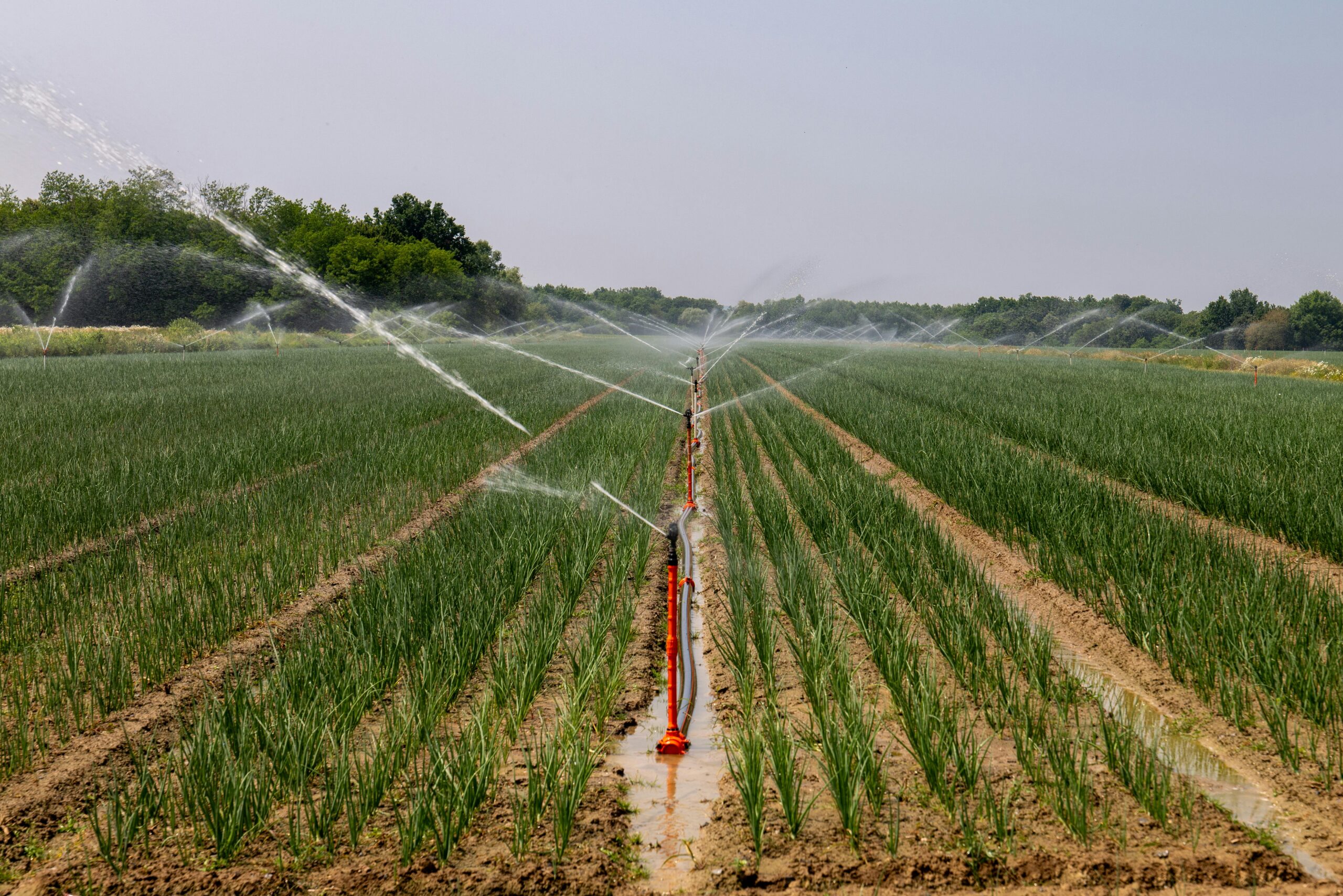
Irrigation represents the single greatest opportunity for energy savings on most farms, and modern irrigation technology has advanced dramatically. Smart irrigation systems use soil moisture sensors, weather data, and plant stress indicators to deliver water precisely when and where crops need it, eliminating the guesswork and waste inherent in traditional irrigation scheduling.
Drip Irrigation and Micro-Sprinklers
Drip irrigation systems deliver water directly to plant root zones through a network of pipes and emitters, reducing water consumption by 30-50% compared to conventional methods. The energy savings are equally impressive, as these systems operate at lower pressures and require smaller pumps. Modern drip systems incorporate pressure-compensating emitters that ensure uniform water distribution across varying topography, maximizing efficiency even on challenging terrain.
Micro-sprinkler systems offer a middle ground between drip irrigation and conventional sprinklers, providing excellent uniformity while using significantly less energy. These systems are particularly well-suited for tree crops and vineyards where drip irrigation may not provide adequate coverage.
Variable Frequency Drives: Optimizing Pump Performance
Variable frequency drives (VFDs) represent one of the most cost-effective energy-saving upgrades for irrigation systems. These devices adjust motor speed to match actual demand, reducing energy consumption by 20-50% compared to fixed-speed pumps. VFDs also extend equipment life by eliminating the mechanical stress of constant starting and stopping, providing additional long-term savings through reduced maintenance and replacement costs.
🚜 Reimagining Farm Machinery and Equipment
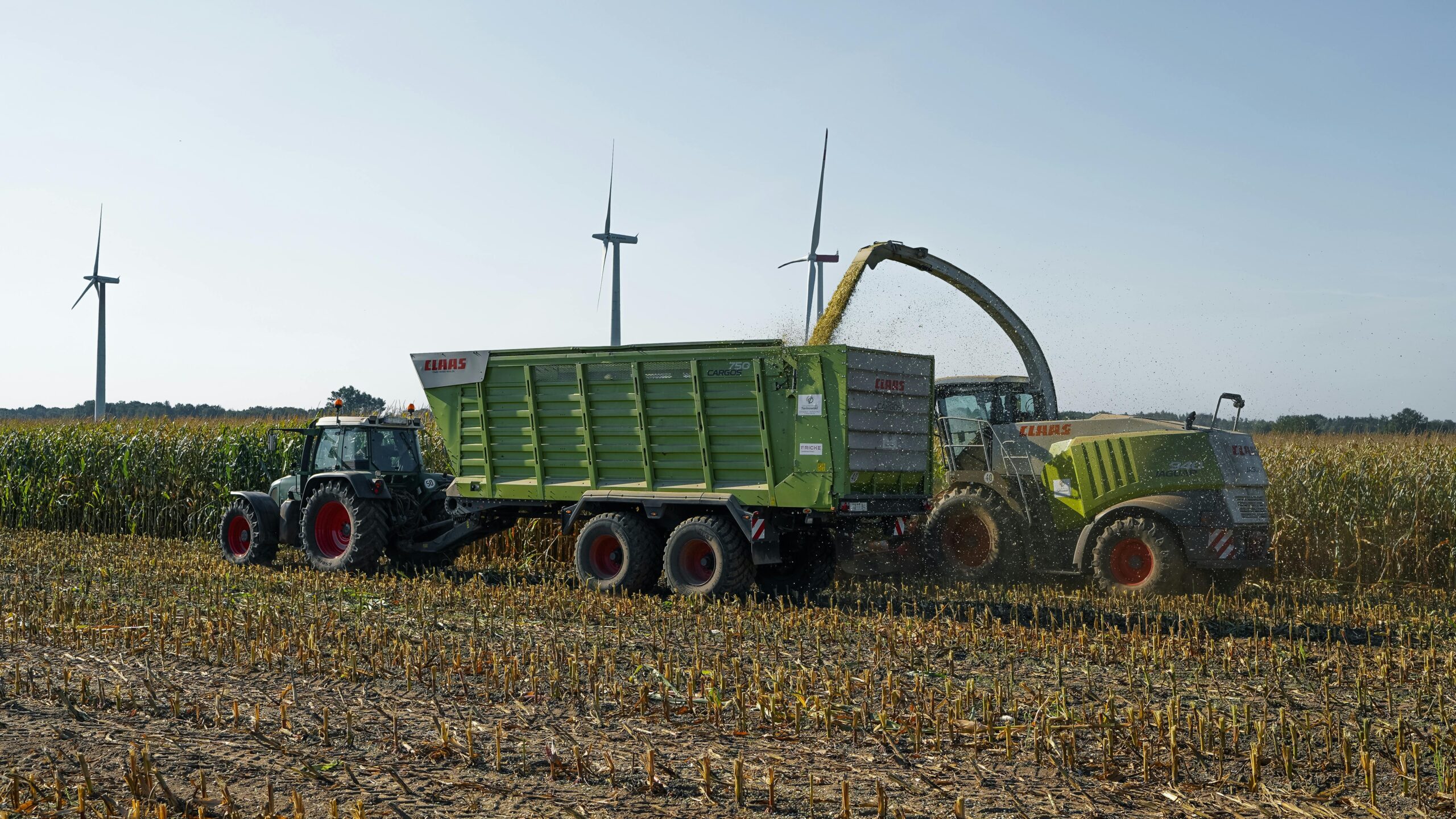
The machinery sector is experiencing its own energy revolution, with manufacturers developing equipment specifically designed for efficiency. Electric tractors, once dismissed as impractical, are now entering commercial production with impressive capabilities. These machines offer zero emissions at point of use, significantly reduced operating costs, and quieter operation that benefits both operators and neighboring communities.
Right-Sizing Equipment and Operations
Many farms operate oversized equipment that consumes excessive fuel while performing tasks that could be accomplished with smaller, more efficient machines. Right-sizing involves matching equipment capacity to actual operational needs, a process that often reveals opportunities for significant energy savings. A 150-horsepower tractor operating at partial load is far less efficient than a properly sized 100-horsepower machine running at optimal capacity.
Equipment sharing arrangements and custom hire services enable smaller farms to access appropriate machinery without the capital investment and energy overhead of ownership. These collaborative approaches optimize equipment utilization across multiple farms, reducing the total number of machines required while ensuring each is used efficiently.
Regenerative Practices: Nature’s Energy-Saving Strategies
Regenerative agriculture practices not only improve soil health and ecosystem resilience but also reduce energy inputs dramatically. These methods work with natural systems rather than against them, leveraging biological processes to accomplish tasks that conventionally require energy-intensive interventions.
No-Till and Minimum-Till Farming
Eliminating or minimizing tillage operations reduces fuel consumption by 50-80% compared to conventional tillage systems. Beyond the direct energy savings, no-till practices improve soil structure and water retention, reducing irrigation needs. The practice also sequesters carbon in soil, providing climate benefits that extend beyond the farm boundary.
Cover cropping complements no-till systems by protecting soil, suppressing weeds, and fixing nitrogen naturally. The reduced need for synthetic fertilizers and herbicides translates to substantial energy savings, as these inputs are extremely energy-intensive to manufacture and transport.
Integrated Pest Management: Reducing Chemical Dependencies
Integrated pest management (IPM) strategies minimize reliance on synthetic pesticides by leveraging biological controls, crop rotation, and habitat management. The energy embodied in pesticide production, transportation, and application is considerable, making IPM both an environmental and energy-saving practice. Farmers implementing comprehensive IPM programs report pesticide reductions of 30-70% while maintaining effective pest control.
📊 Monitoring and Management: The Data-Driven Approach
Energy efficiency requires ongoing monitoring and optimization, and modern farm management software makes this process increasingly accessible. Energy monitoring systems track consumption patterns across different operations, identifying inefficiencies and opportunities for improvement. These platforms often incorporate machine learning algorithms that recognize patterns and provide actionable recommendations.
Real-Time Energy Tracking and Analytics
Smart meters and IoT sensors enable real-time monitoring of energy consumption at the equipment level. This granular data reveals exactly when, where, and how energy is being used, enabling informed decision-making. Farmers can identify equipment operating inefficiently, detect maintenance issues before they become costly failures, and optimize operational schedules to minimize energy costs.
Time-of-use electricity rates offer opportunities for significant savings by shifting operations to off-peak hours when electricity costs are lower. Battery storage systems can capture low-cost off-peak electricity or excess solar production for use during expensive peak periods, maximizing the economic benefits of renewable energy systems.
🌾 Economic Returns: The Business Case for Low-Energy Operations
While environmental benefits motivate many farmers to adopt low-energy practices, the economic returns ultimately determine widespread adoption. Fortunately, the financial case for energy-efficient agriculture is increasingly compelling.
Calculating the Return on Investment
Energy-efficient upgrades typically offer attractive returns, with many improvements paying for themselves within 3-7 years. Solar installations, despite higher upfront costs, provide 20-30 years of virtually free electricity after payback, representing enormous long-term value. Efficiency measures like VFDs and LED lighting often have payback periods under three years, making them no-brainer investments for most operations.
Government incentives, tax credits, and grant programs significantly improve the economics of energy-efficient improvements. Many regions offer substantial incentives for solar installations, energy-efficient equipment purchases, and conservation practices. These programs can reduce initial costs by 25-50%, dramatically accelerating payback periods and improving returns.
Overcoming Implementation Challenges
Despite the clear benefits, farmers face several challenges when transitioning to low-energy operations. Initial capital requirements, technical knowledge gaps, and risk aversion all present barriers to adoption. However, these challenges are increasingly manageable with proper support and planning.
Financing and Support Resources
Specialized agricultural lenders increasingly recognize the value of energy-efficient improvements and offer favorable financing terms. Some lenders provide reduced interest rates for projects with demonstrated energy savings, recognizing that lower operating costs improve farm financial stability. Equipment manufacturers often offer financing programs specifically designed for energy-efficient technologies.
Extension services, agricultural organizations, and energy utilities provide technical assistance to help farmers assess opportunities and implement improvements. Many offer free or subsidized energy audits that identify the most promising efficiency measures for specific operations. These resources significantly reduce the knowledge barriers that historically prevented adoption.
🌍 The Broader Impact: Agriculture as Energy Solution
Low-energy farm operations contribute to broader societal benefits beyond individual farm economics. Agriculture has the potential to transition from energy consumer to energy producer, with farms generating excess renewable energy for export to the grid. This transformation could position rural areas as energy hubs, creating new revenue streams and economic opportunities.
The carbon sequestration potential of regenerative practices, combined with reduced fossil fuel consumption, positions agriculture as a critical climate solution. Farms implementing comprehensive low-energy approaches can achieve carbon neutrality or even become carbon negative, removing more greenhouse gases from the atmosphere than they emit.
Looking Ahead: The Future of Energy-Efficient Agriculture
Emerging technologies promise even greater efficiency gains in coming years. Autonomous systems powered by renewable energy will reduce labor costs while optimizing every operation for maximum efficiency. Artificial intelligence will predict optimal planting dates, irrigation schedules, and harvest windows, minimizing waste and energy use while maximizing productivity.
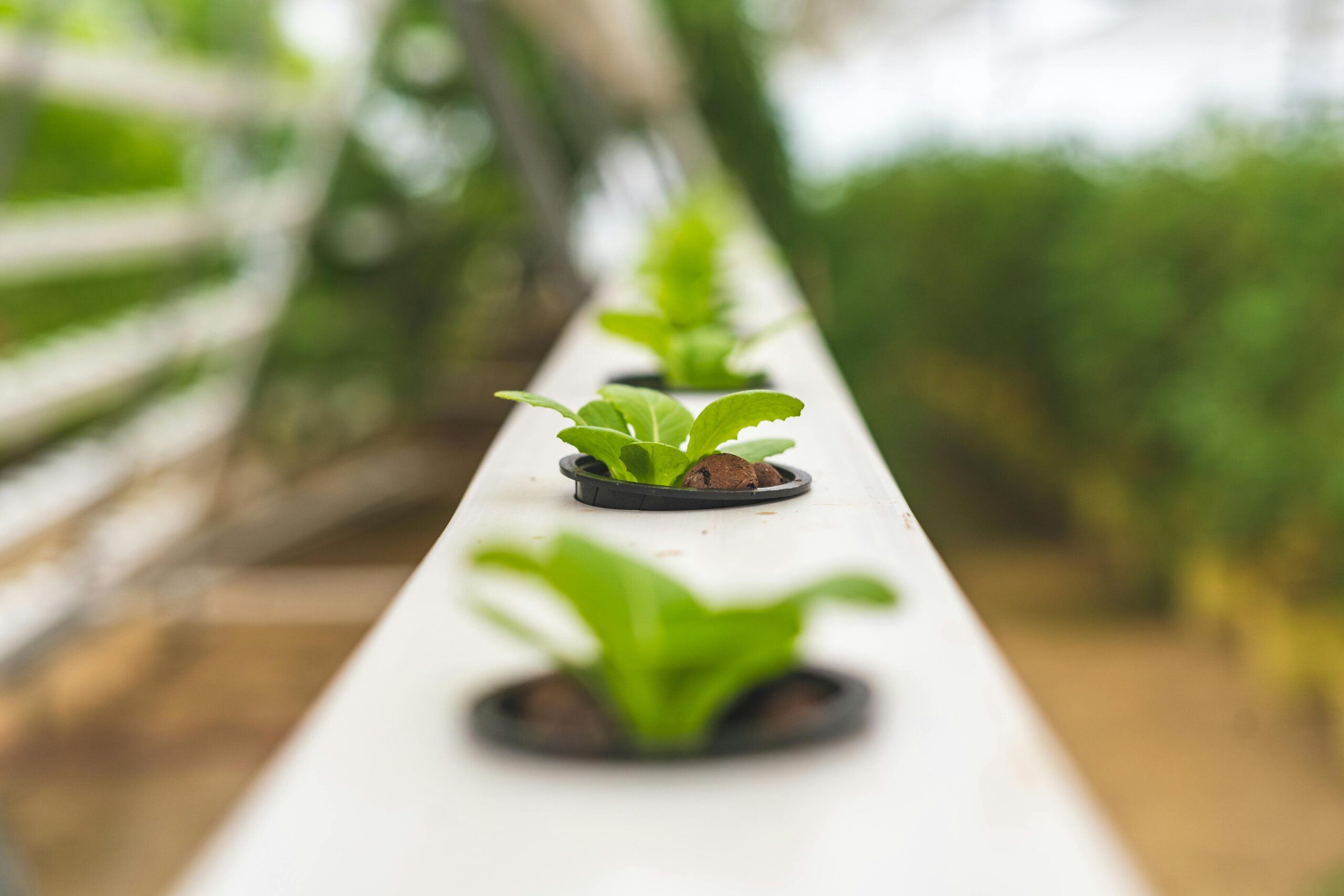
Vertical farming and controlled environment agriculture represent radical reimaginings of food production, using advanced technology to grow crops with minimal energy, water, and land. While these systems currently require significant energy inputs, advances in LED technology, climate control, and renewable energy are rapidly improving their efficiency profile.
Taking Action: Starting the Efficiency Journey
For farmers ready to embrace low-energy operations, the journey begins with assessment and prioritization. Conducting an energy audit identifies the most impactful opportunities specific to each operation. Starting with high-return, low-risk improvements builds confidence and generates capital for more ambitious projects. The transition to low-energy farming is not an all-or-nothing proposition but a continuous improvement process where each step builds on previous successes.
Collaboration and knowledge-sharing accelerate progress, with farmer networks and peer learning groups providing invaluable support. Seeing neighbors succeed with new technologies and practices reduces perceived risk and provides practical implementation guidance. The agricultural community’s tradition of mutual support serves farmers well as they navigate this transition together.
The revolution in low-energy farm operations represents agriculture’s response to mounting economic and environmental pressures. By embracing efficiency, farmers are not just reducing costs and environmental impact; they are ensuring the long-term viability of their operations and the sustainability of global food systems. The technologies and practices exist today to transform agriculture into a showcase of efficiency and sustainability. The question is not whether this transformation will occur, but how quickly farmers, policymakers, and communities will embrace the opportunity to unleash efficiency across agricultural landscapes worldwide.