Anúncios
Modern power grids face unprecedented challenges as renewable energy sources and distributed generation reshape how we produce and consume electricity across interconnected networks.

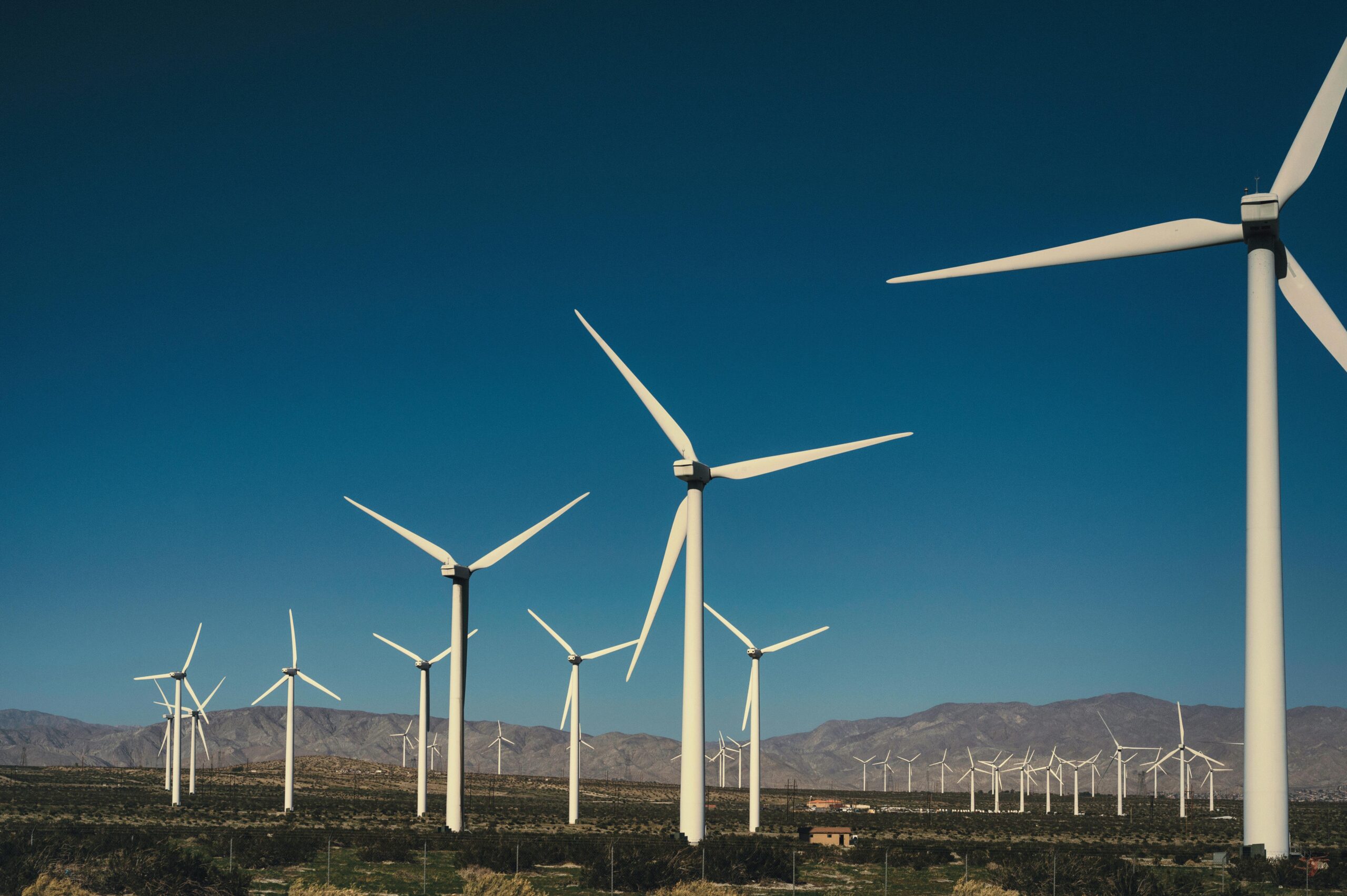
The traditional centralized power generation model, where large power plants feed electricity through extensive transmission networks to end users, is rapidly evolving. Today’s electrical infrastructure must accommodate a diverse array of distributed energy resources (DERs) including solar panels, wind turbines, battery storage systems, and electric vehicles. This transformation presents both remarkable opportunities and significant challenges for maintaining grid stability in an increasingly complex energy landscape.
Anúncios
Distributed resource resilience has emerged as a critical factor in ensuring reliable electricity supply while transitioning toward sustainable energy systems. Unlike conventional power plants that can be precisely controlled, distributed resources introduce variability and uncertainty that grid operators must carefully manage. Understanding how these resources can actually strengthen rather than destabilize the grid represents one of the most important developments in modern energy management.
🔌 Understanding Distributed Energy Resources in Modern Grids
Distributed energy resources fundamentally differ from traditional power generation in their scale, location, and operational characteristics. These systems typically generate electricity at or near the point of consumption, reducing transmission losses and improving overall system efficiency. DERs include rooftop solar installations, small-scale wind turbines, combined heat and power systems, energy storage devices, and even controllable loads that can adjust consumption in response to grid conditions.
Anúncios
The proliferation of DERs represents a democratization of energy production. Homeowners, businesses, and communities can now participate actively in electricity generation rather than simply consuming power from distant utilities. This shift creates a more distributed, bidirectional energy flow that requires sophisticated coordination and control mechanisms to maintain stability and reliability.
Grid operators traditionally managed a relatively small number of large, predictable power plants. Today, they must coordinate potentially millions of small, variable resources scattered across their service territories. This complexity demands new approaches to monitoring, forecasting, and control that leverage advanced communication technologies and data analytics.
⚡ The Challenge of Intermittency and Variability
One of the primary concerns surrounding distributed renewable resources is their inherent variability. Solar generation fluctuates with cloud cover and disappears entirely at night. Wind power output depends on weather patterns that can change rapidly and unpredictably. This intermittency creates challenges for grid operators who must continuously balance supply and demand to maintain frequency and voltage within acceptable ranges.
Traditional power systems relied on dispatchable generation sources like natural gas or coal plants that could ramp production up or down on demand. The increasing penetration of non-dispatchable renewable resources reduces this flexibility unless compensated by storage, demand response, or other balancing mechanisms. Without proper management, high levels of variable generation can lead to frequency deviations, voltage problems, and potentially system instability.
However, viewing this variability solely as a problem overlooks important opportunities. When properly coordinated, the geographic diversity of distributed resources can actually smooth out local variations. Solar panels across a wide area experience different cloud conditions, and their aggregate output tends to be more stable than any individual installation. Similarly, wind resources in different locations often complement each other, with calm conditions in one area offset by productive generation elsewhere.
Advanced Forecasting Techniques
Accurate prediction of renewable energy generation has become essential for grid operations. Modern forecasting systems combine weather data, satellite imagery, machine learning algorithms, and real-time measurements to predict solar and wind output hours or days in advance. These forecasts enable grid operators to schedule complementary resources and coordinate system operations more effectively.
Short-term forecasting focused on minutes to hours ahead helps manage real-time balancing and dispatch decisions. Longer-term forecasts support day-ahead market operations and maintenance planning. As forecasting accuracy improves through better data and more sophisticated models, the challenge of renewable variability becomes increasingly manageable within existing grid infrastructure.
🔋 Energy Storage: The Great Equalizer
Battery energy storage systems have emerged as perhaps the most transformative technology for grid stability in the distributed energy era. Storage decouples generation timing from consumption timing, allowing renewable energy produced during periods of high output to be saved and dispatched when needed most. This capability directly addresses the intermittency challenge that otherwise complicates high renewable penetration.
Distributed storage installations, whether behind-the-meter batteries at homes and businesses or utility-scale systems strategically placed throughout the distribution network, provide multiple grid services simultaneously. They can absorb excess generation during low-demand periods, supply power during peak hours, provide frequency regulation services, and offer backup power during outages. This versatility makes storage a cornerstone of resilient distributed energy systems.
The declining cost of battery technology has accelerated deployment dramatically. Lithium-ion batteries that power electric vehicles have seen price reductions of approximately 90% over the past decade, making stationary storage increasingly economically viable. This trend continues as manufacturing scale expands and technology improves, suggesting storage will play an ever-larger role in grid stability strategies.
Virtual Power Plants: Coordinating Distributed Storage
Individual distributed batteries provide value, but their true potential emerges when coordinated as virtual power plants. These aggregations of distributed resources function collectively as a single, dispatchable asset from the grid’s perspective. Sophisticated software platforms monitor thousands of individual installations, optimizing their charge and discharge patterns to maximize both grid benefits and customer value.
Virtual power plants can respond to grid signals within milliseconds, providing fast-responding reserves that help maintain frequency stability. During system emergencies, they can inject power into the grid or reduce consumption, helping prevent cascading failures. This distributed approach to reliability often proves more resilient than traditional centralized backup systems because it doesn’t create single points of failure.
📊 Smart Grid Technologies and Real-Time Control
The integration of distributed resources depends fundamentally on advanced communication and control infrastructure collectively known as the smart grid. Traditional power systems operated with limited real-time visibility beyond major substations. Smart grid technologies extend monitoring and control capabilities to the edge of the network, enabling sophisticated management of distributed resources.
Smart meters provide granular consumption data and enable two-way communication with customers. Advanced sensors throughout the distribution network monitor voltage, current, and power quality at numerous points. Intelligent inverters on solar and storage installations can adjust their output in response to local grid conditions. Together, these technologies create an information-rich environment where grid operators can observe and influence system behavior with unprecedented precision.
Distributed control architectures represent an important evolution beyond centralized management. Rather than requiring all decisions to flow through central control rooms, distributed systems allow local intelligence to respond autonomously to local conditions while coordinating with broader system objectives. This approach reduces communication latency, improves resilience against cyber threats or communication failures, and scales more effectively as DER penetration increases.
🌐 Microgrids and Islanding Capabilities
Microgrids represent a powerful application of distributed resource resilience principles. These localized grids can operate connected to the main grid or disconnect and function autonomously during disturbances. A well-designed microgrid with local generation, storage, and controllable loads can maintain power to critical facilities even during widespread outages affecting the broader grid.
The islanding capability of microgrids provides exceptional resilience value. During extreme weather events, equipment failures, or other disruptions, microgrids can isolate themselves from problems on the main grid and continue serving local loads. This has proven invaluable for facilities like hospitals, emergency response centers, military bases, and communities seeking enhanced reliability.
Microgrids also serve as testing grounds for advanced control strategies and technologies that may eventually scale to larger grids. The contained environment allows experimentation with high renewable penetration, novel market mechanisms, and coordination strategies that inform broader grid modernization efforts. Lessons learned from successful microgrids accelerate the transformation of the entire power system.
Community Resilience Through Local Energy
Beyond technical benefits, microgrids foster community energy resilience and empowerment. Communities can develop local renewable resources matched to local needs, potentially reducing energy costs while improving reliability. During emergencies, maintaining power to community facilities strengthens disaster response capabilities and provides refuges for residents. This community-scale approach to energy resilience complements individual and utility-level initiatives.
🎯 Demand Response and Flexible Consumption
Grid stability traditionally focused on controlling generation to match demand. Distributed resource strategies increasingly recognize that managing demand offers equivalent benefits with often lower costs and faster response times. Demand response programs incentivize consumers to adjust electricity consumption in response to grid conditions, effectively turning flexible loads into grid resources.
Modern demand response extends far beyond simple load shedding during emergencies. Sophisticated systems continuously optimize flexible loads like water heaters, HVAC systems, pool pumps, and industrial processes to align consumption with renewable generation availability and grid needs. Electric vehicle charging represents a particularly significant flexible load that can absorb excess renewable generation and avoid adding to peak demand when managed intelligently.
The aggregation of many small flexible loads creates substantial balancing resources. A coordinated network of smart thermostats across thousands of homes can modulate total consumption by megawatts, providing services comparable to traditional power plants. This distributed flexibility enhances grid stability while delivering cost savings to participating customers and enabling higher renewable energy integration.
💡 Economic and Market Mechanisms Supporting Resilience
Technical capabilities alone cannot ensure distributed resource resilience becomes reality. Appropriate economic incentives and market structures must reward the grid services these resources provide. Many jurisdictions are evolving their regulatory frameworks and market designs to properly value flexibility, resilience, and other attributes that distributed resources contribute to system stability.
Traditional electricity pricing often fails to reflect the true time-varying value of energy and grid services. Time-of-use rates, real-time pricing, and demand charges create more accurate price signals that encourage beneficial behaviors. When customers face higher prices during periods of scarcity and lower prices when renewable generation is abundant, their responses naturally support grid stability.
Compensation mechanisms for distributed energy resources continue evolving. Net metering policies, feed-in tariffs, capacity payments, and ancillary service markets each influence how distributed resources are deployed and operated. Well-designed markets encourage investment in technologies and configurations that support rather than challenge grid stability, aligning private incentives with public benefits.
🛡️ Cybersecurity Considerations for Distributed Systems
The proliferation of connected distributed resources expands the potential attack surface for cyber threats. Each smart inverter, battery controller, and communicating device represents a potential entry point for malicious actors. Ensuring cybersecurity across millions of distributed endpoints presents challenges distinct from protecting a smaller number of centralized facilities.
Distributed architectures offer inherent resilience advantages against cyber attacks compared to centralized systems. Compromising a distributed system requires attacking many independent targets rather than a single critical facility. The diversity of equipment manufacturers, communication protocols, and control systems creates complexity that works against attackers even as it challenges system integrators.
Industry standards and best practices for DER cybersecurity continue maturing. Encryption, authentication, regular security updates, and network segmentation help protect distributed resources. Regulatory requirements increasingly mandate minimum security standards for grid-connected devices. As threats evolve, ongoing vigilance and adaptation remain essential to maintaining secure, resilient distributed energy systems.
🌍 Environmental and Social Benefits of Distributed Resilience
Beyond technical and economic considerations, distributed resource resilience delivers significant environmental and social benefits. Enabling higher renewable energy integration directly reduces greenhouse gas emissions and air pollution. Distributed generation reduces transmission losses, improving overall energy efficiency. Local energy resources can strengthen community self-sufficiency and create local economic opportunities.
Energy equity represents an important social dimension of distributed resilience. Historically, low-income communities often experience less reliable electricity service and fewer options for participating in clean energy transitions. Community solar projects, inclusive financing mechanisms, and targeted resilience investments can extend distributed energy benefits more broadly, ensuring the energy transition advances equity alongside sustainability and reliability.
The jobs created by distributed energy development tend to be local and difficult to offshore, supporting employment in communities where installations occur. Skills in solar installation, energy efficiency, and smart grid technologies offer career pathways that combine environmental stewardship with economic opportunity, creating social benefits that complement the technical advantages of distributed systems.
🚀 Future Directions and Emerging Technologies
The evolution of distributed resource resilience continues accelerating. Emerging technologies promise to further enhance the stability contributions of distributed systems. Artificial intelligence and machine learning enable increasingly sophisticated forecasting, optimization, and control. Blockchain technologies may facilitate peer-to-peer energy trading and create new market mechanisms for distributed resources.
Vehicle-to-grid technology transforms electric vehicles from simply flexible loads into mobile energy storage resources that can support grid stability. With typical vehicles parked 95% of the time, their batteries represent enormous potential storage capacity that could dwarf purpose-built grid storage installations. Realizing this potential requires appropriate technical standards, business models, and customer incentives.
Advanced materials research promises next-generation storage technologies with improved performance and reduced costs. Flow batteries, solid-state batteries, and other innovations may overcome limitations of current lithium-ion technology. Similarly, next-generation power electronics will enable more sophisticated control of distributed resources with improved efficiency and functionality.
⚙️ Building a Resilient Energy Future
The transition toward distributed resource-based power systems represents not merely a technological shift but a fundamental reimagining of energy infrastructure. Success requires coordinated action across technical, economic, regulatory, and social dimensions. Grid operators must develop new operational paradigms. Policymakers must create supportive frameworks. Technology providers must deliver reliable, cost-effective solutions. Consumers must engage as active participants rather than passive recipients.
The evidence increasingly demonstrates that distributed resources, when properly coordinated, enhance rather than threaten grid stability. The diversity, flexibility, and resilience inherent in distributed systems position them as foundations for the reliable, sustainable energy systems required in the 21st century. Geographic distribution reduces vulnerability to localized disruptions. Multiple small resources prove more reliable collectively than single large facilities. Rapid response capabilities support frequency and voltage stability.
Investment in distributed resource resilience delivers returns across multiple dimensions simultaneously. Improved reliability reduces economic losses from power interruptions. Increased renewable integration advances climate objectives. Enhanced local control strengthens community resilience. Innovation in this space creates economic opportunities and technical leadership. These converging benefits explain the accelerating momentum behind distributed energy resources globally.
The power grid of tomorrow will look fundamentally different from the centralized, unidirectional system of the past. Embracing distributed resource resilience as a core design principle rather than viewing distributed generation as a challenge to be managed positions communities, utilities, and society for success in this transformation. The technical tools, economic mechanisms, and institutional frameworks continue maturing, creating increasingly clear pathways toward stable, sustainable, resilient power systems built on distributed energy resources. The future of grid stability lies not in fighting against distributed resources but in harnessing their inherent strengths to build energy systems that are cleaner, more reliable, and more resilient than ever before.