Anúncios
Living soil is more than dirt—it’s a thriving ecosystem that can revolutionize how you grow plants, vegetables, and flowers in your garden naturally and sustainably.

🌱 Why Living Soil Matters More Than You Think
For generations, gardeners have treated soil as an inert medium—something to simply hold plants upright and deliver nutrients. This outdated perspective has led to depleted gardens, chemical dependency, and disappointing harvests. Living soil represents a fundamental shift in understanding: your garden’s foundation is actually a complex biological community teeming with life.
Anúncios
Every teaspoon of healthy soil contains more microorganisms than there are people on Earth. These bacteria, fungi, protozoa, and nematodes form intricate networks that transport nutrients, protect plants from disease, improve soil structure, and even influence climate patterns. When you unlock the power of this underground ecosystem, you’re not just growing plants—you’re cultivating a self-sustaining biological system.
The conventional approach of adding synthetic fertilizers bypasses this natural system entirely, creating plants that are essentially on life support. They become dependent on constant chemical inputs, vulnerable to pests, and produce less nutritious food. Living soil, by contrast, creates resilient plants with deep root systems, enhanced flavor profiles, and remarkable disease resistance.
Anúncios
Understanding the Living Soil Food Web
The soil food web is nature’s original internet—a communication and resource distribution network that has evolved over millions of years. At its foundation are plant roots, which exude sugars and carbohydrates into the surrounding soil. These exudates feed bacteria and fungi, which in turn are consumed by protozoa and nematodes.
As organisms eat one another, they release nutrients in forms that plants can immediately absorb. This cycling happens continuously, creating a just-in-time nutrient delivery system far more sophisticated than any fertilizer schedule. Mycorrhizal fungi extend root systems by hundreds of times, accessing water and minerals that would otherwise remain unavailable.
The diversity of this community matters immensely. A soil with thousands of species functions more efficiently than one with only dozens. Each organism plays a specialized role—some break down organic matter, others suppress disease organisms, while still others improve soil structure by creating sticky substances that bind soil particles into aggregates.
The Key Players in Your Soil Ecosystem
Bacteria are the most numerous soil organisms, decomposing fresh organic matter and cycling nutrients rapidly. They reproduce quickly and respond immediately to changes in their environment, making them excellent indicators of soil health.
Fungi, particularly mycorrhizal species, form symbiotic relationships with plant roots. They trade nutrients and water for the sugars plants produce through photosynthesis. This partnership is so ancient and essential that most land plants cannot thrive without their fungal allies.
Protozoa and nematodes are microscopic predators that graze on bacteria and fungi, releasing nitrogen and other nutrients in plant-available forms. Earthworms and arthropods are the visible engineers, creating channels for air and water movement while mixing organic matter throughout the soil profile.
🔍 Assessing Your Current Soil Health
Before transforming your garden, you need to understand your starting point. Living soil has distinctive characteristics you can observe without expensive laboratory tests. The smell test is surprisingly informative—healthy soil has a pleasant, earthy aroma. Sour or ammonia-like odors indicate anaerobic conditions or imbalanced decomposition.
Soil structure reveals biological activity. Take a handful of moist soil and squeeze it gently. It should form a ball that crumbles when poked. If it stays in a tight ball, you likely have compaction issues and limited air exchange. If it doesn’t hold together at all, organic matter levels are probably low.
Observe how water behaves on your soil surface. Does it pool and run off, or does it infiltrate quickly? Living soil acts like a sponge, absorbing water rapidly and holding it for plant use. Poor infiltration suggests either compaction or depleted organic matter—both fixable through ecosystem-based practices.
The presence of earthworms is an excellent indicator of soil health. Dig a cubic foot of soil and count the worms. Finding ten or more suggests good biological activity. Fewer than five indicates room for improvement. No worms at all signals serious ecosystem dysfunction.
Planning Your Soil Ecosystem Transformation
Creating living soil isn’t an overnight process, but a strategic approach accelerates progress. Begin by stopping practices that harm soil life. Tilling destroys fungal networks and exposes organic matter to rapid oxidation. Chemical pesticides and some fertilizers can devastate microbial populations. Leaving soil bare exposes it to erosion and temperature extremes.
Your transformation plan should prioritize three foundational principles: feed the soil organisms, protect soil structure, and maintain continuous living roots. These principles guide every decision, from what you plant to how you manage plant residues.
Creating Your Soil-Building Timeline
Year one focuses on stopping harm and beginning to feed soil organisms. Add compost, establish cover crops in empty beds, and apply mulch layers. You’ll notice improvements in soil structure and water retention by the end of the first season.
Year two builds on this foundation by increasing diversity. Introduce more plant species, both cultivated and cover crops. Experiment with compost teas and biological amendments. Your vegetable yields should increase noticeably as nutrient cycling improves.
By year three, your soil ecosystem should be functioning robustly. You’ll observe earthworm populations increasing, soil forming aggregates naturally, and plants demonstrating improved pest resistance. Many gardeners reduce or eliminate purchased inputs by this stage.
🌿 Feeding Your Soil Ecosystem
Soil organisms need food just like any living creature. Organic matter is their universal currency—the more diverse the better. Compost is the gold standard, providing both nutrients and beneficial organisms. Quality compost smells pleasant, feels crumbly, and contains recognizable organic fragments.
Building your own compost pile ensures a constant supply while recycling garden and kitchen waste. The ideal compost pile balances carbon-rich “brown” materials like dried leaves and straw with nitrogen-rich “green” materials like grass clippings and vegetable scraps. Maintaining moisture and turning occasionally speeds decomposition.
Compost isn’t the only food source for soil life. Mulching with wood chips, straw, or leaves provides a slow-release food source while protecting soil from temperature extremes and erosion. As mulch decomposes, fungi proliferate in the high-carbon material, building the fungal biomass that many plants prefer.
Cover Crops: The Secret Weapon
Cover crops are plants grown primarily to benefit the soil rather than for harvest. They’re perhaps the most powerful tool in ecosystem planning, providing continuous living roots that feed soil organisms year-round. When space in your garden becomes available, immediately plant a cover crop rather than leaving soil bare.
Different cover crops provide different benefits. Legumes like clover and vetch partner with bacteria to fix atmospheric nitrogen. Grasses like rye and oats develop extensive root systems that improve soil structure. Brassicas like radishes and mustard have deep taproots that break up compaction and suppress soil diseases.
The most effective approach uses diverse mixes rather than single species. A combination might include a legume for nitrogen, a grass for biomass, and a brassica for deep rooting. This diversity creates more complete soil food web development than any single species can achieve.
Designing Garden Layouts for Soil Health
Garden design profoundly impacts soil ecosystem development. Permanent beds with designated pathways prevent compaction in growing areas. Making beds no wider than you can comfortably reach from either side eliminates the need to step on planting areas.
Integrating perennials creates zones with undisturbed soil where fungal networks can develop extensively. Even in primarily annual vegetable gardens, including perennial herbs, flowers, or berry bushes provides ecosystem stability. These permanent plantings act as refuges for beneficial organisms that can recolonize annual beds.
Polyculture planting—growing multiple species together—mimics natural ecosystems better than monoculture rows. Companion planting isn’t just about pest management; diverse plant communities support diverse soil communities. Different plants exude different compounds from their roots, feeding different microbial populations.
Water Management in Living Soil Systems
Living soil transforms water management entirely. As organic matter levels increase and soil structure improves, water-holding capacity can double or triple. Many gardeners find their irrigation needs decreasing dramatically as their soil ecosystem develops.
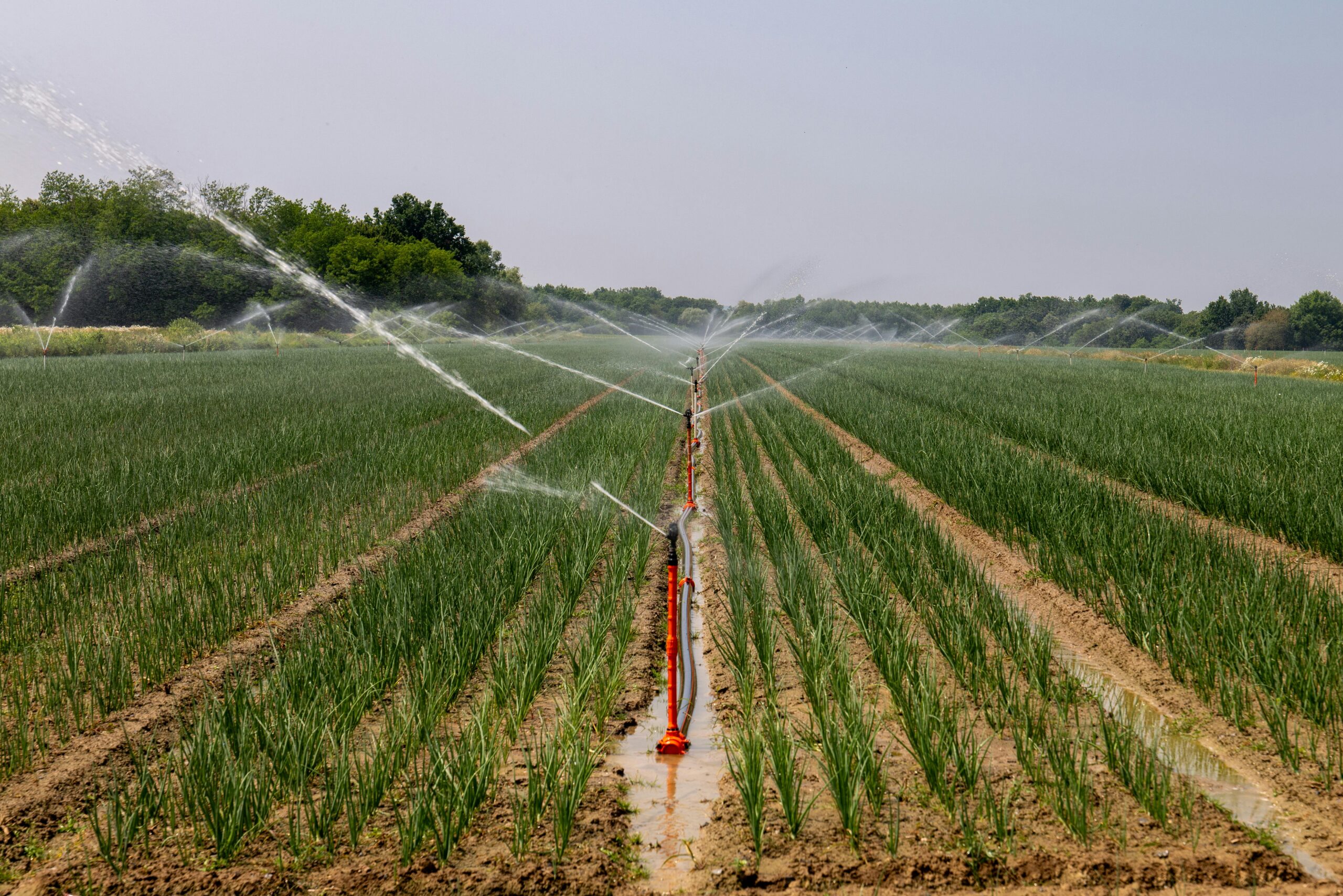
When you do irrigate, method matters. Drip irrigation or soaker hoses deliver water directly to the root zone with minimal surface disturbance. Overhead watering can compact soil surfaces and promote disease. Deep, infrequent watering encourages deep root development, while frequent shallow watering keeps roots near the surface.
Mulching plays a crucial role in water conservation. A 3-4 inch mulch layer can reduce evaporation by 70% while moderating soil temperature. As mulch decomposes, it becomes part of the soil ecosystem, so plan to replenish it seasonally.
🐛 Managing Pests and Diseases Ecologically
Living soil fundamentally changes pest and disease dynamics. Plants growing in biologically active soil produce higher levels of protective compounds and have stronger cell walls. They simply don’t attract pests the way stressed plants do. This isn’t theory—research consistently shows that soil biology directly influences plant immunity.
When pest problems do arise, view them as ecosystem feedback. What’s out of balance? Often, pest outbreaks indicate nutritional imbalances or stressed plants. Rather than reaching for pesticides that will disrupt your soil community, address root causes. Is the plant in the right location? Is it properly nourished? Does it need different companions?
Encouraging beneficial insects and other pest predators creates natural control systems. Flowering plants throughout the garden provide nectar and pollen for predatory and parasitic insects. Leaving some plant debris creates habitat for ground beetles and spiders. Tolerating small pest populations ensures predators have a food source.
Boosting Biology with Compost Tea and Extracts
Compost tea extends the benefits of compost by extracting and multiplying microorganisms in an aerated water solution. When applied to soil or plant leaves, it introduces billions of beneficial organisms. While not essential for building living soil, compost tea can accelerate the process significantly.
Making compost tea requires good compost, non-chlorinated water, a food source like molasses or kelp, and aeration. The brewing process takes 24-48 hours, during which microbial populations explode. Apply the tea immediately after brewing for maximum biological benefit.
The quality of your compost tea depends entirely on the quality of your starting compost. Poor compost produces poor tea. You’re essentially farming microorganisms, so providing ideal conditions—oxygen, food, moderate temperature—yields the best results.
📊 Monitoring Your Progress
Tracking your soil’s transformation keeps you motivated and helps adjust strategies. Simple observations provide valuable data without expensive testing. Keep a garden journal noting:
- Earthworm counts from periodic excavations
- Water infiltration rates (how quickly water soaks in)
- Plant vigor and pest pressure compared to previous seasons
- Mulch decomposition rates
- Soil aggregation and crumb structure development
Photographs provide compelling before-and-after documentation. Take pictures of the same garden areas seasonally, capturing both plants and close-ups of soil structure. After a year or two, the visual evidence of transformation is often striking.
More detailed information comes from periodic soil testing. Rather than standard agricultural tests that focus on chemical properties, look for biological assessments measuring microbial biomass, diversity, and activity. These specialized tests are becoming more accessible and provide insights into ecosystem function.
🌍 Expanding Beyond Your Garden
The principles of living soil extend far beyond backyard gardens. They’re transforming commercial agriculture, regenerating degraded landscapes, and even sequestering atmospheric carbon to combat climate change. Your small garden participates in these larger movements.
Share your knowledge and surplus with neighbors. Extra compost, divisions of perennials, or cover crop seeds help spread ecosystem-based practices. Community gardens benefit enormously from soil-building approaches, as they often start with severely degraded urban soils.
Supporting farms and food producers who build soil health reinforces the economic viability of these practices. When you choose products from regenerative farms, you’re voting with your dollars for agriculture that heals rather than degrades land.
Troubleshooting Common Challenges
Building living soil occasionally presents obstacles. Heavy clay soils resist change more slowly than sandy soils, but they ultimately develop the most robust ecosystem function. Be patient and consistent with organic matter additions. Avoid the temptation to till clay soil, which creates worse compaction.
Sandy soils improve more quickly but require more frequent organic matter applications. Compost washes through sand faster than clay, so plan on heavier and more regular additions. Cover crops are particularly valuable in sandy soils for generating organic matter in place.
Contaminated urban soils present unique challenges. Heavy metals, petroleum products, or high salt levels can inhibit soil biology. In these cases, building new soil on top of contaminated layers using raised beds or hugelkultur mounds provides a safer alternative to remediation.
The Long-Term Vision for Your Garden Ecosystem
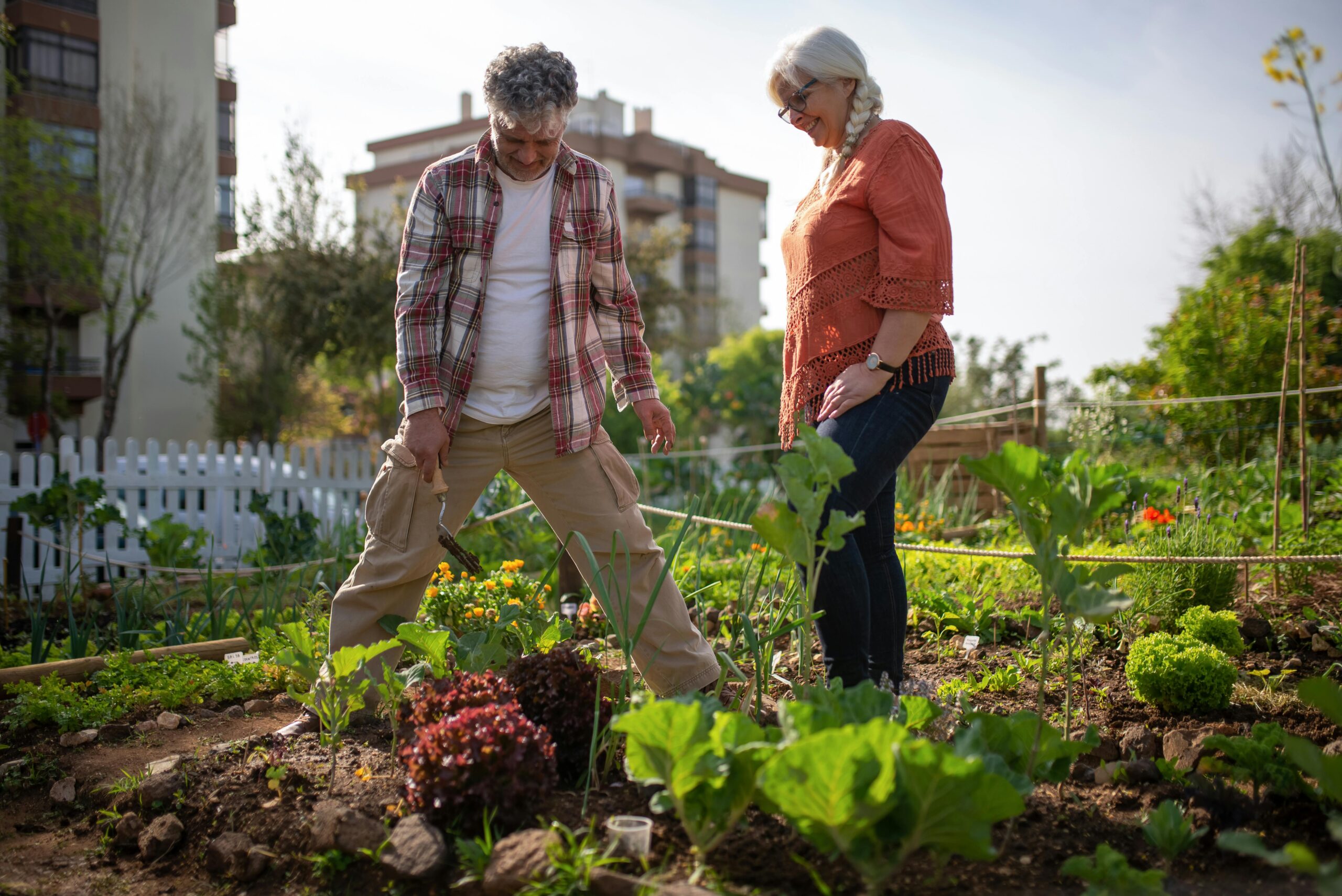
Transitioning to living soil isn’t just a gardening technique—it’s a shift in relationship with the land. You become a steward of an ecosystem rather than a manager of inert resources. This perspective changes everything about how you garden, from daily observations to long-term planning.
Over time, your garden becomes increasingly self-regulating. Fertility builds from within rather than being imported. Pest pressures stabilize as predator populations establish. Water requirements decrease as soil structure improves. The garden demands less from you while producing more.
This journey connects you to cycles and systems operating on multiple timescales—from the daily rhythms of soil organisms to the decades-long development of mature garden ecosystems. Each season brings new understanding and deeper appreciation for the complex web of life beneath your feet.
The power of living soil transforms gardens from extractive systems requiring constant inputs into generative ecosystems that create fertility, sequester carbon, and support biodiversity. By planning and nurturing your soil ecosystem, you’re not just growing better vegetables—you’re participating in the regeneration of the living world. 🌎