Anúncios
Eco-villages represent a transformative approach to sustainable living, blending innovative architecture with environmental consciousness to create communities that heal rather than harm our planet. 🌱

As urbanization accelerates and climate change intensifies, the need for sustainable living solutions has never been more urgent. Eco-villages emerge as beacons of hope, demonstrating that human settlements can exist in harmony with nature while maintaining modern comforts and fostering vibrant communities. These intentional communities prioritize ecological design, renewable energy, local food production, and social cohesion, offering blueprints for a regenerative future.
Anúncios
The architecture of eco-villages goes far beyond simply constructing green buildings. It encompasses holistic design principles that consider energy flows, water cycles, material lifecycles, and the intricate relationships between built environments and natural ecosystems. By reimagining how we design, build, and inhabit our spaces, eco-village architecture challenges conventional development patterns and presents compelling alternatives for sustainable human habitation.
🏡 The Foundation of Eco-Village Design Philosophy
Eco-village architecture rests upon fundamental principles that differentiate these communities from conventional developments. At its core lies the commitment to minimize environmental impact while maximizing quality of life. This philosophy embraces regenerative design—not merely reducing harm but actively restoring and enriching ecosystems.
Anúncios
The design process typically begins with careful site analysis, understanding local climate patterns, solar orientation, wind flows, water sources, and existing vegetation. Architects and planners work collaboratively with community members, ecologists, and indigenous knowledge holders to create designs that respond sensitively to place-specific conditions.
Permaculture principles often guide spatial organization, with buildings arranged to create beneficial microclimates, capture rainwater, and integrate food production throughout the settlement. This integrated approach ensures that every architectural element serves multiple functions, creating efficiency and resilience within the system.
Bioregional Architecture and Local Adaptation
Successful eco-villages demonstrate deep respect for bioregional characteristics. Rather than imposing standardized designs across different contexts, these communities embrace architectural vernacular that responds to local climates, available materials, and cultural traditions. A Mediterranean eco-village will look dramatically different from one in Scandinavia or the tropics, each optimized for its unique environmental conditions.
This bioregional approach reduces transportation emissions associated with imported materials, supports local economies, and creates buildings naturally adapted to local weather patterns. Traditional building techniques are often revived and combined with modern innovations, creating hybrid solutions that honor heritage while addressing contemporary needs.
🌿 Sustainable Building Materials and Construction Methods
Material selection represents one of the most critical decisions in eco-village architecture. Conventional construction materials like concrete and steel carry enormous carbon footprints and environmental costs. Eco-villages pioneer alternatives that sequester carbon, minimize pollution, and return harmlessly to ecological cycles at end-of-life.
Natural building materials dominate eco-village construction portfolios. Timber from sustainably managed forests provides structural frameworks while sequestering carbon throughout the building’s lifetime. Straw bales offer exceptional insulation properties and utilize agricultural waste products. Earth-based materials including adobe, rammed earth, and cob create thermal mass that naturally regulates interior temperatures.
Bamboo has emerged as a superstar material in appropriate climates, growing rapidly without pesticides and possessing strength-to-weight ratios exceeding many conventional materials. Hempcrete combines hemp fibers with lime to create carbon-negative walls with excellent insulation and breathability. Recycled and upcycled materials—from reclaimed timber to repurposed shipping containers—give new life to resources that might otherwise become waste.
Low-Impact Construction Techniques
Beyond materials themselves, eco-villages employ construction methods that minimize environmental disruption. Prefabrication reduces on-site waste and allows for precision manufacturing with better quality control. Modular designs enable buildings to adapt as community needs evolve, extending usable lifetimes and preventing premature demolition.
Many eco-villages embrace owner-builder models and community construction events, where residents participate directly in creating their homes. This approach builds both practical skills and social bonds while reducing labor costs and deepening residents’ connection to their built environment.
⚡ Energy Systems: Powering Communities Sustainably
Energy independence stands as a cornerstone of eco-village sustainability. Rather than relying on fossil-fuel-based grid electricity, these communities integrate renewable energy systems that harness locally available resources—sun, wind, water, and biomass.
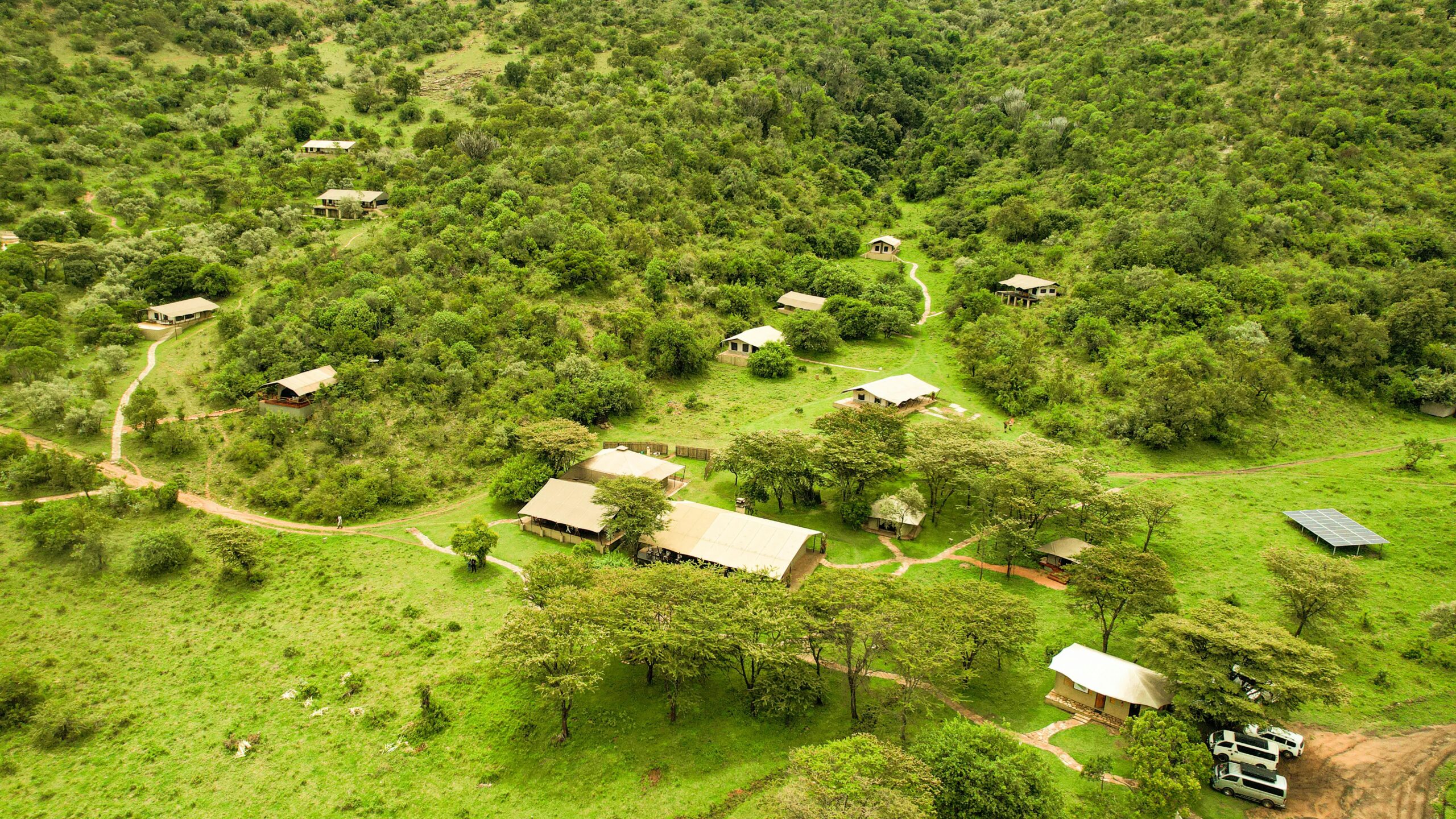
Solar photovoltaic arrays represent the most common renewable energy solution, with panels integrated into roof designs or installed in community solar gardens. Battery storage systems enable energy use after sunset, increasingly making complete grid independence feasible. Solar thermal systems provide hot water and space heating with remarkable efficiency.
Wind turbines supplement solar generation in appropriate locations, particularly benefiting communities in coastal or elevated areas with consistent wind resources. Micro-hydro systems tap into flowing water where available, providing reliable baseload power with minimal environmental impact when properly designed.
Passive Design Strategies for Energy Efficiency
Before generating renewable energy, eco-villages prioritize reducing energy demand through intelligent passive design. Building orientation maximizes solar gain in winter while minimizing it in summer. Thermal mass stabilizes interior temperatures, reducing heating and cooling needs. High-performance insulation and air-sealing create efficient building envelopes.
Natural ventilation strategies replace energy-intensive air conditioning in many climates. Carefully positioned windows, thermal chimneys, and earth tubes create cooling breezes and comfortable indoor environments without mechanical systems. Green roofs and living walls provide additional insulation while supporting biodiversity and managing stormwater.
- Strategic window placement for optimal daylighting and passive solar heating
- Thermal mass materials that absorb heat during day and release at night
- Natural shading from deciduous trees that provide summer cooling and winter sun
- Earth-sheltered or bermed designs that leverage stable ground temperatures
- Light-colored roofing materials in hot climates to reflect solar radiation
💧 Water Management and Conservation Systems
Water represents life’s most essential resource, and eco-villages treat it with corresponding respect. Comprehensive water management integrates collection, conservation, treatment, and return in closed-loop systems that work with rather than against natural hydrological cycles.
Rainwater harvesting captures precipitation from roofs and other surfaces, storing it for non-potable uses like irrigation, toilet flushing, and laundry. With appropriate filtration and treatment, harvested rainwater can safely supply all household needs, reducing dependence on municipal systems or groundwater extraction.
Greywater systems recycle water from sinks, showers, and washing machines for landscape irrigation, extending the useful life of each drop. Constructed wetlands provide natural, low-energy treatment for both greywater and blackwater, creating beautiful landscape features while purifying wastewater to standards suitable for environmental release or reuse.
Regenerative Water Landscapes
Eco-village water management extends beyond individual buildings to create regenerative landscapes. Swales, berms, and infiltration basins slow and spread stormwater runoff, allowing it to recharge groundwater rather than causing erosion or flooding. These features also create diverse microclimates and habitats, supporting biodiversity while managing water resources.
Many eco-villages incorporate ponds, streams, and wetlands that serve multiple functions—aesthetic enjoyment, wildlife habitat, food production through aquaculture, and water storage for irrigation or fire protection. These water features become community gathering places and educational resources, reconnecting residents with natural water cycles.
🥬 Integrating Food Production into the Built Environment
Food security and sovereignty represent core values in eco-village communities. Rather than relegating agriculture to distant industrial operations, these settlements weave food production throughout the built environment, blurring boundaries between architecture and agriculture.
Edible landscaping replaces ornamental plantings with fruit trees, berry bushes, herb gardens, and perennial vegetables. These productive landscapes provide beauty, shade, and habitat while yielding nutritious harvests. Community gardens and allotments give residents space to grow annual crops, fostering self-reliance and connection to food sources.
Greenhouses extend growing seasons and enable cultivation of warm-season crops in cold climates. Attached to buildings, they provide passive solar heating while creating spaces for year-round production. Vertical gardens and living walls maximize production in limited spaces, particularly valuable in higher-density eco-village designs.
Innovative Urban Agriculture Techniques
Eco-villages pioneer agricultural innovations that increase productivity while maintaining ecological integrity. Aquaponics systems combine fish farming with hydroponic vegetable production, creating efficient closed-loop systems ideal for small spaces. Mushroom cultivation utilizes waste materials while producing nutritious food and valuable compost.
Forest gardens mimic natural woodland ecosystems with multiple productive layers—from canopy fruit and nut trees to understory shrubs, herbaceous plants, root crops, and ground covers. These perennial polycultures require minimal maintenance while providing diverse harvests and supporting complex food webs.
🏘️ Community Spaces and Social Architecture
Beyond individual dwellings, eco-village architecture emphasizes shared spaces that foster community cohesion and reduce resource consumption through collaborative resource use. Common houses provide kitchens, dining areas, and gathering spaces for shared meals and celebrations, reducing the need for large private kitchens and entertainment areas.
Workshop spaces equipped with tools and equipment serve multiple households, eliminating redundant ownership of items used infrequently. Libraries, laundry facilities, guest accommodations, and children’s play areas function more efficiently as shared resources than private amenities duplicated in every home.
These community spaces become the social heart of eco-villages, facilitating interaction, mutual support, and the development of strong social bonds. Architecture that encourages spontaneous encounters—covered walkways, pocket parks, community gardens, and outdoor gathering spaces—strengthens social fabric and creates resilient communities.
Designing for Inclusivity and Accessibility
Progressive eco-villages design for diverse populations across age ranges and ability levels. Universal design principles ensure buildings accommodate wheelchair users, elderly residents, and people with various disabilities. Multi-generational housing arrangements keep families connected while respecting privacy needs.
Cohousing models, popular in many eco-villages, balance private dwellings with extensive shared facilities. This approach reduces environmental footprints while combating social isolation, particularly valuable for elderly residents who might otherwise live alone in conventional settings.
🌍 Economic Models Supporting Sustainable Architecture
Realizing eco-village visions requires innovative economic approaches that make sustainable architecture accessible. Many communities employ cooperative ownership structures that reduce individual financial burdens while building collective assets. Community land trusts separate land ownership from building ownership, ensuring long-term affordability and preventing speculative appreciation.
Incremental development allows communities to grow organically as resources permit, avoiding crushing debt burdens. Initial core infrastructure—roads, utilities, community buildings—supports phased residential development that adapts to evolving needs and learned lessons from early phases.
Some eco-villages generate income through eco-tourism, educational programs, or selling surplus renewable energy, food, and crafts. These enterprises provide livelihoods for residents while funding ongoing community development and maintenance.
🔬 Technological Innovations Enhancing Eco-Village Living
While embracing low-tech and natural solutions, eco-villages also integrate appropriate technologies that enhance sustainability without creating dependence or complexity. Smart home systems optimize energy use based on occupancy and weather conditions. Sensors monitor building performance, identifying inefficiencies and informing continuous improvement.
Building information modeling enables precise design coordination and material optimization before construction begins, reducing waste and errors. Digital fabrication technologies like CNC routers allow complex joinery and efficient material use for natural building components.
Communication technologies enable remote work, reducing commuting needs while allowing eco-village residents to participate in broader economies without leaving their sustainable communities. Online platforms facilitate resource sharing, coordinate community activities, and connect geographically dispersed eco-villages into networks for mutual learning and support.
🌱 Living Examples: Eco-Villages Leading the Way
Numerous established eco-villages worldwide demonstrate the viability and appeal of sustainable community architecture. Findhorn in Scotland, one of the longest-established eco-villages, showcases renewable energy systems, ecological buildings, and extensive organic gardens. Dancing Rabbit in Missouri demonstrates that rural eco-villages can thrive in North America, with car-free living and radical resource conservation.
Damanhur in Italy integrates sustainable architecture with artistic expression and spiritual community. Earthaven in North Carolina emphasizes natural building techniques and permaculture design. These and hundreds of other communities provide living laboratories testing and refining sustainable architecture approaches.
Each eco-village faces unique challenges based on climate, regulations, funding, and social dynamics. Yet collectively, they generate invaluable knowledge about what works, what doesn’t, and how sustainable architecture can be adapted across diverse contexts. This experiential wisdom, generously shared through publications, tours, and workshops, accelerates the eco-village movement globally.
🚀 Scaling Up: From Eco-Villages to Mainstream Sustainability
The ultimate promise of eco-village architecture lies not in creating isolated sustainable enclaves but in transforming mainstream development practices. As these communities prove the feasibility of radical sustainability, their innovations gradually influence conventional architecture and urban planning.
Policy changes increasingly support sustainable building practices, from green building codes to renewable energy incentives. Financial institutions develop lending products for natural building and community-oriented developments. Architecture schools incorporate eco-village principles into curricula, ensuring future professionals understand regenerative design.
The challenges facing humanity—climate change, resource depletion, biodiversity loss, social fragmentation—demand responses at the scale eco-villages embody. These communities demonstrate that sustainability need not mean sacrifice or deprivation. Instead, they reveal how ecological living creates richer, more connected, more meaningful lives.
💚 Building Tomorrow’s World Today
Eco-village architecture represents more than innovative building techniques or renewable energy systems. It embodies a fundamental reimagining of humanity’s relationship with the natural world and with each other. These communities demonstrate that we can meet our needs while resporing ecological health, that individual well-being and collective flourishing intertwine, that technology and nature complement rather than oppose each other.
Every eco-village built, every natural home raised, every community meal shared in a common house represents a small but meaningful step toward the sustainable future our children deserve. The green dreams these communities nurture today become the blueprints for tomorrow’s regenerative civilization.
For those feeling overwhelmed by environmental crises or disconnected in conventional settings, eco-villages offer both inspiration and practical pathways forward. Whether joining existing communities, starting new ones, or simply incorporating eco-village principles into conventional homes and neighborhoods, each action contributes to the transformation our world urgently needs.
The architecture of eco-villages teaches us that buildings can heal rather than harm, that communities can nurture rather than isolate, that humanity can thrive within rather than against natural systems. These lessons, embodied in earth walls and solar panels, community gardens and gathering spaces, point the way toward the brighter, greener future we all seek to create. 🌈