Anúncios
Modern agriculture faces unprecedented challenges in balancing productivity with environmental stewardship. Closed-loop farming systems offer a revolutionary approach to sustainable agriculture that maximizes efficiency while minimizing waste.

🌱 Understanding Closed-Loop Design in Agricultural Systems
Closed-loop farming represents a paradigm shift in how we conceptualize agricultural production. Unlike traditional linear models where resources flow in one direction—from input to output to waste—closed-loop systems create circular pathways where outputs become inputs, waste transforms into resources, and every element serves multiple purposes within the farm ecosystem.
Anúncios
This regenerative approach mimics natural ecosystems where nothing goes to waste. Nutrients cycle continuously, energy flows efficiently, and each component supports the health and productivity of others. By implementing closed-loop principles, farmers can dramatically reduce external inputs, lower operational costs, and create more resilient agricultural enterprises.
The foundation of closed-loop design rests on understanding interconnections. When you recognize that livestock manure can fertilize crops, crop residues can feed animals, and organic matter can generate energy while improving soil health, you begin to see your farm not as separate enterprises but as an integrated living system.
Anúncios
💧 Water Management: The Lifeblood of Circular Agriculture
Water represents one of agriculture’s most critical resources and greatest environmental concerns. Closed-loop water management systems capture, filter, and reuse water multiple times before it leaves the farm, dramatically reducing consumption and preventing pollution.
Rainwater harvesting forms the first line of defense in water conservation. By collecting precipitation from roofs, greenhouses, and hardscapes, farms can store thousands of gallons for irrigation during dry periods. This captured water reduces dependence on municipal supplies or groundwater extraction, both of which carry environmental and economic costs.
Greywater recycling takes the concept further by treating and reusing water from washing operations, processing facilities, and other farm activities. Modern filtration systems can purify this water to standards suitable for irrigation, animal watering, or even recirculation through the same processes. This dramatically extends the utility of every gallon that enters your operation.
Constructed Wetlands: Nature’s Water Treatment Plant
Constructed wetlands represent one of the most elegant closed-loop water solutions. These engineered ecosystems use natural biological processes to filter nutrients, break down contaminants, and purify water before it returns to irrigation systems or natural waterways.
The beauty of constructed wetlands lies in their multiple benefits. They treat water, provide wildlife habitat, sequester carbon, and can even produce marketable products like ornamental plants or biomass for composting. Implementation costs often prove lower than mechanical treatment systems, and operational expenses remain minimal since natural processes do most of the work.
🔄 Nutrient Cycling: Closing the Fertility Loop
Conventional agriculture treats fertility as a linear equation: purchase synthetic fertilizers, apply them to crops, and accept that much of the investment washes away or volatilizes into the atmosphere. Closed-loop nutrient management transforms this wasteful model into an efficient cycle that builds soil health while reducing costs.
Composting represents the cornerstone of closed-loop nutrient management. Every farm generates organic residues—crop waste, animal bedding, food scraps, and processing byproducts. Rather than viewing these as disposal problems, closed-loop systems recognize them as valuable fertility resources waiting to be unlocked.
Proper composting transforms raw organic materials into stable humus rich in nutrients and beneficial microorganisms. This finished compost returns to fields, improving soil structure, water retention, and biological activity while providing slow-release nutrition that plants can access throughout the growing season.
Integrating Livestock for Nutrient Distribution
Animals serve as mobile nutrient processors in closed-loop systems. Grazing livestock consume forage crops and spread fertility across pastures through their manure. Chickens can follow cattle, breaking up manure patties while controlling parasites and distributing nutrients more evenly. Pigs can transform crop residues and food waste into high-quality protein while generating nutrient-rich manure.
This integration creates synergies impossible in separated crop or livestock operations. The farm produces its own fertility amendments, reduces feed costs through forage utilization, and generates multiple revenue streams from interconnected enterprises.
⚡ Energy Independence Through Closed-Loop Design
Energy costs represent a significant expense for modern farms, from fuel for machinery to electricity for irrigation, cooling, and processing. Closed-loop energy systems capture waste streams and convert them into usable power, reducing dependency on external energy sources while improving environmental performance.
Biogas digesters exemplify closed-loop energy production. These systems process animal manure and organic wastes in oxygen-free environments where bacteria break down materials and produce methane-rich biogas. This gas can power generators for electricity, fuel heating systems, or even power farm vehicles when properly processed.
The benefits extend beyond energy production. Digestion accelerates nutrient availability in manure, producing superior fertilizer compared to raw waste. The process also reduces odors and pathogen loads, addressing common concerns associated with livestock operations. Digestate slurry becomes a valuable liquid fertilizer that can be precisely applied through irrigation systems.
Solar Integration and Energy Storage
Photovoltaic systems complement biological energy production by harnessing solar radiation. Declining equipment costs have made solar increasingly accessible for agricultural operations. Panels can be mounted on barn roofs, over parking areas, or even integrated into field designs through agrivoltaic approaches where crops grow beneath elevated solar arrays.
Battery storage systems allow farms to bank surplus energy production for use during peak demand periods or nighttime operations. This load-shifting capability reduces electricity costs while improving energy independence and system resilience.
🌾 Integrated Pest Management: Natural Checks and Balances
Closed-loop farming systems naturally suppress pest and disease pressure through diversity, habitat management, and beneficial organism conservation. Rather than relying on external pesticide inputs, these systems cultivate ecological balance that keeps potential problems in check.
Biodiversity serves as the foundation for biological pest control. Hedgerows, flowering strips, and preserved natural areas provide habitat for predatory insects, birds, and other beneficial organisms that consume pest species. Research consistently demonstrates that farms with greater biodiversity experience lower pest pressure and require fewer interventions.
Crop rotation and polyculture designs disrupt pest life cycles by removing host plants during vulnerable periods or creating confusing mosaics that make it difficult for specialist pests to locate their preferred crops. These strategies work especially well when combined with trap cropping, where sacrificial plantings lure pests away from main production areas.
🐄 Livestock Integration: The Missing Link in Many Farm Systems
Animals represent one of the most powerful tools for closing loops on diversified farms. They convert materials humans cannot digest—grass, crop residues, food waste—into valuable proteins, fats, and fertility while providing labor in the form of tillage, weed control, and nutrient distribution.
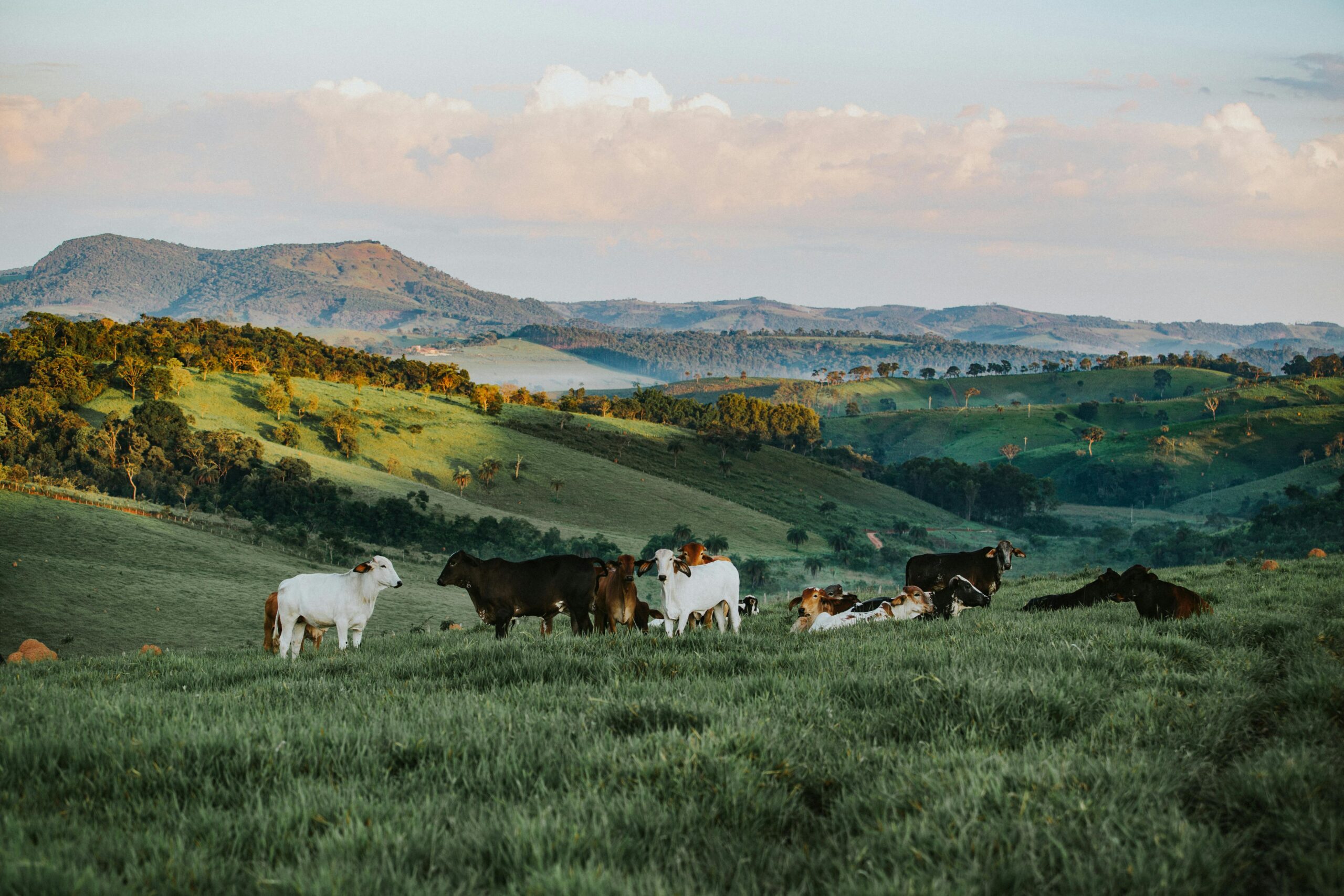
Rotational grazing epitomizes closed-loop livestock management. Animals harvest their own feed, eliminating harvest and transportation costs while distributing fertility directly where it benefits future plant growth. Properly managed grazing stimulates plant growth, builds soil organic matter, and increases water infiltration—all while producing high-quality meat or dairy products.
Poultry offers particular advantages for small-scale integration. Chickens can be rotated through garden beds after harvest, consuming pest larvae and weed seeds while scratching in surface compost. Their high-nitrogen manure becomes a powerful fertilizer when properly composted. Eggs provide a regular revenue stream with relatively low infrastructure requirements.
Aquaponics: Uniting Fish and Plants
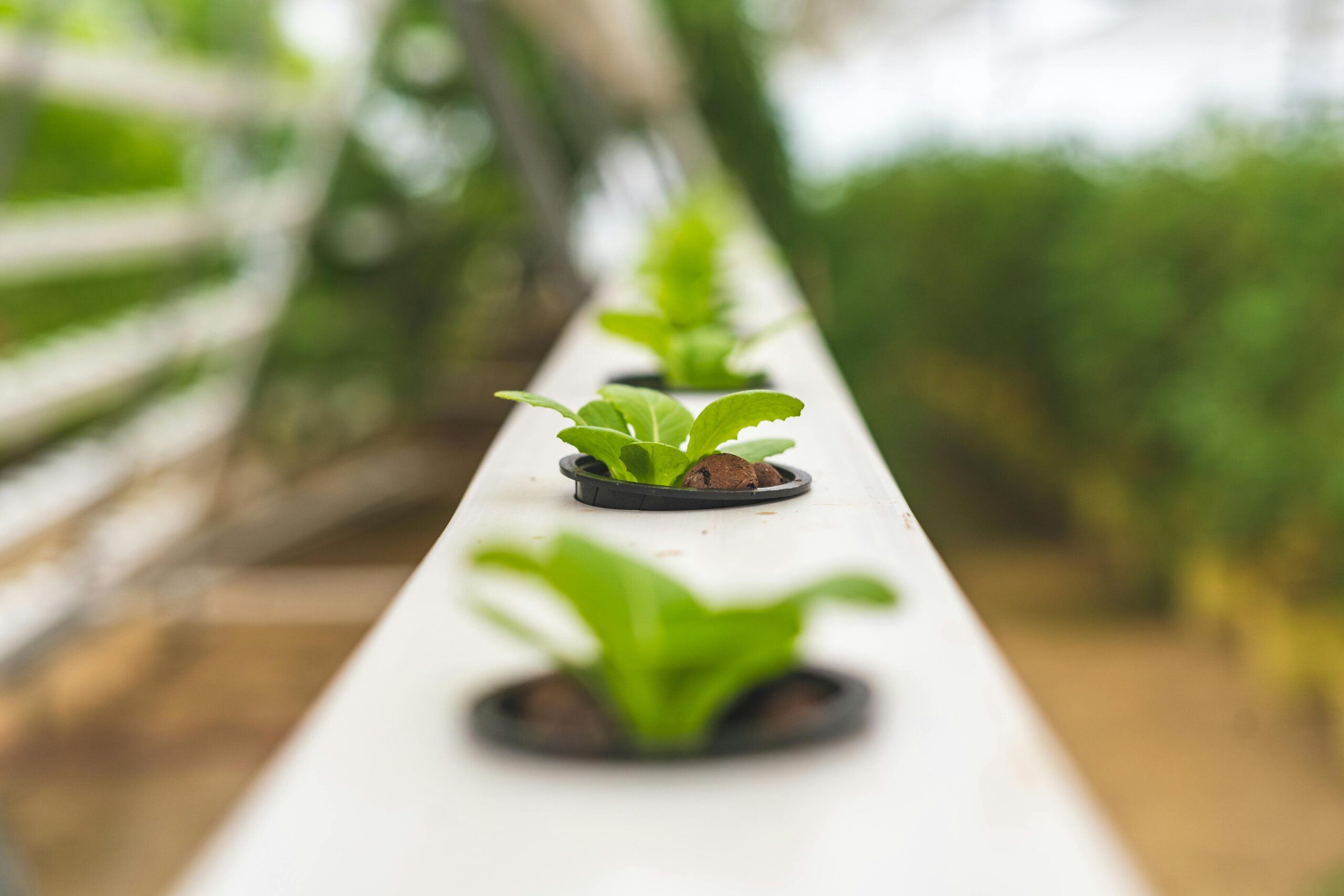
Aquaponic systems create tight nutrient loops between fish production and crop cultivation. Fish waste provides fertility for plants grown in soilless systems, while plants filter and clean water that returns to fish tanks. These integrated systems can produce impressive yields in small spaces with minimal external inputs.
Modern aquaponic designs have evolved beyond backyard experiments into commercial-scale operations producing vegetables, herbs, and fish for local markets. The closed-loop nature of these systems makes them particularly water-efficient, using 90% less water than conventional agriculture while eliminating the need for synthetic fertilizers.
📊 Measuring Success: Key Performance Indicators for Closed-Loop Farms
Implementing closed-loop design requires tracking progress through meaningful metrics that capture both environmental and economic performance. Traditional agricultural accounting often misses the true costs of degraded resources and external inputs, while failing to value the ecosystem services that sustainable practices provide.
| Metric Category | Key Indicators | Target Direction |
|---|---|---|
| Resource Efficiency | Water use per unit production, fertilizer purchases, energy consumption | Decreasing |
| Soil Health | Organic matter percentage, aggregate stability, biological activity | Increasing |
| Biodiversity | Species counts, beneficial insect populations, habitat area | Increasing |
| Economic Resilience | Input costs as percentage of revenue, enterprise diversity, profit margins | Improving |
| Waste Reduction | Materials leaving farm as waste, byproduct utilization rates | Decreasing |
Soil organic matter deserves particular attention as it indicates the effectiveness of your closed-loop nutrient management. Increasing organic matter improves water retention, nutrient availability, erosion resistance, and carbon sequestration—all critical for long-term sustainability and productivity.
🚀 Getting Started: Practical Steps Toward Closed-Loop Farming
Transitioning to closed-loop design need not happen overnight. Most successful implementations occur incrementally, with farmers identifying key resource flows and systematically closing loops over several seasons or years.
Begin by conducting a resource flow analysis of your current operation. Track where water enters and leaves your farm, map nutrient flows from inputs through production to outputs and waste, and account for energy consumption across all enterprises. This baseline assessment reveals opportunities where closing loops could generate the greatest benefits.
Start with low-hanging fruit—changes that require minimal investment but offer immediate returns. Composting crop residues instead of burning or landfilling them costs virtually nothing but begins building soil health and reducing fertilizer needs. Collecting rainwater from barn roofs into simple storage tanks provides irrigation water without complicated systems.
Building Infrastructure Strategically
As you gain experience and generate returns from initial changes, reinvest in more sophisticated infrastructure. A small biogas digester might process manure from a dozen animals, demonstrating the concept before scaling up. Constructed wetlands can begin small and expand as you learn optimal design for your specific conditions.
Prioritize infrastructure that serves multiple functions. A pond designed for irrigation storage can also provide aquaculture opportunities, fire protection, and wildlife habitat. Hedgerows that control erosion also offer beneficial insect habitat, windbreaks, and potential products like nuts or berries.
🤝 Community Connections: Expanding Loops Beyond Farm Boundaries
The most resilient closed-loop systems often extend beyond individual farm boundaries to create regional resource networks. Collaborating with neighboring farms, food processors, restaurants, and municipalities can access waste streams that become valuable inputs while creating outlets for your byproducts.
Food waste from restaurants and institutions offers high-quality feedstock for composting or animal feeding operations. Brewery and distillery spent grains provide excellent livestock feed. Tree trimming services generate wood chips useful for mulching, composting, or mushroom cultivation. These partnerships transform disposal problems for one business into resources for another.
Regional collaboration also facilitates infrastructure sharing. A biogas digester or commercial-scale composting operation might be too expensive for one farm but becomes economically viable when several producers share costs and capacity. Mobile processing equipment can rotate between farms, providing services that individual operations couldn’t justify independently.
🌍 Environmental Impact: Quantifying the Benefits
Closed-loop farming systems deliver measurable environmental benefits that extend far beyond individual farm boundaries. Understanding and documenting these impacts strengthens the business case for sustainable practices and may open opportunities for ecosystem service payments or carbon credits.
Carbon sequestration in agricultural soils represents one of the most significant climate mitigation opportunities available. Closed-loop practices that build organic matter—composting, cover cropping, rotational grazing, and reduced tillage—pull carbon dioxide from the atmosphere and store it in stable soil compounds. Well-managed agricultural lands can sequester several tons of carbon per acre annually.
Water quality improvements benefit entire watersheds. By capturing and recycling nutrients on-farm, closed-loop systems prevent the pollution that causes downstream problems like algal blooms and dead zones. Reduced irrigation demands preserve groundwater resources and maintain stream flows during dry periods.
💰 Economic Advantages of Resource Efficiency
While environmental benefits motivate many farmers toward closed-loop design, economic advantages ultimately determine long-term adoption. Fortunately, resource efficiency typically improves profitability even before accounting for environmental premiums or ecosystem service payments.
Reduced input costs provide the most immediate economic benefit. Every dollar not spent on synthetic fertilizers, purchased feeds, irrigation water, or energy improves your bottom line. These savings compound over time as closed-loop systems mature and become more efficient.
Revenue diversification strengthens economic resilience. Integrated systems naturally create multiple enterprises that generate income at different times, reducing vulnerability to market fluctuations or production challenges in any single commodity. This diversity also opens marketing opportunities around sustainability stories that resonate with increasingly conscious consumers.
🔬 Innovation and Technology in Modern Closed-Loop Systems
Emerging technologies are making closed-loop farming more accessible and efficient than ever before. Sensors, automation, and data analytics help farmers optimize resource flows and identify opportunities for improvement that might otherwise go unnoticed.
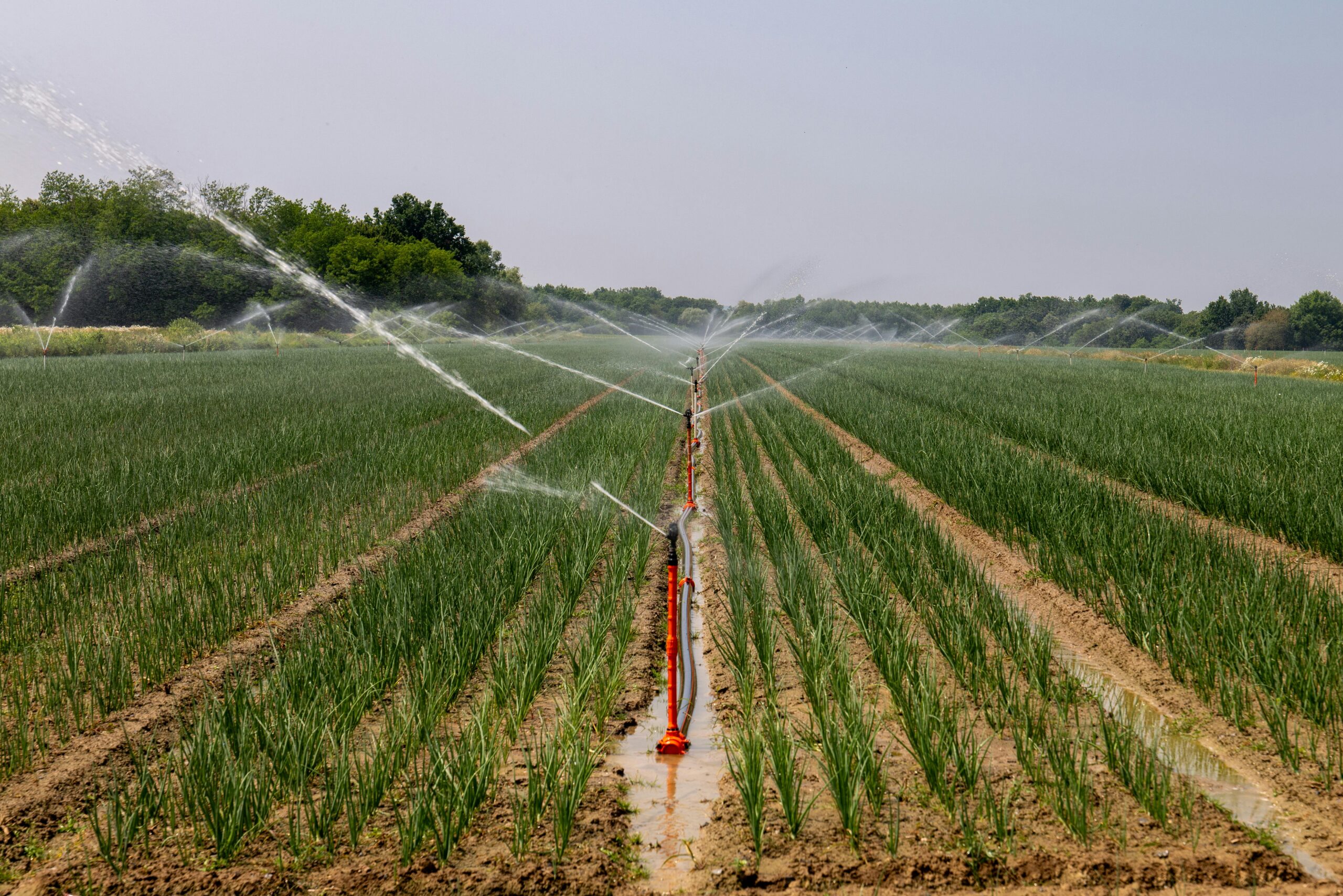
Soil moisture sensors and weather data integration allow precision irrigation that applies water only when and where plants need it, minimizing waste while maintaining productivity. Automated systems can manage biogas digesters, monitor compost temperatures, or control greenhouse environments with minimal labor input.
Data platforms help farmers track performance metrics over time, comparing results across seasons and identifying trends that inform management decisions. This information proves invaluable for refining practices and demonstrating progress toward sustainability goals.
🌟 Creating Your Closed-Loop Farming Future
The transition to closed-loop farming represents more than a set of techniques—it requires a fundamental shift in how you perceive your farm and its relationship with surrounding ecosystems. Success comes from recognizing that waste is simply a resource in the wrong place, that problems in one area often reveal solutions for another, and that working with natural processes proves more effective than fighting against them.
Begin your journey with curiosity and observation. Study how nutrients, water, and energy flow through your current operation. Identify waste streams and consider where outputs from one enterprise might serve as inputs for another. Start small with pilot projects that test concepts before committing significant resources.
Remember that closed-loop farming is not about achieving perfect circularity overnight. Every loop you close, every waste stream you convert to a resource, and every external input you replace with internal production moves you toward greater sustainability and resilience. These incremental improvements accumulate into transformative change over time.
The future of agriculture must reconcile productivity with environmental stewardship. Closed-loop design offers a proven pathway forward, demonstrating that farms can be highly productive while healing land, protecting water, and contributing to climate solutions. By adopting these principles, you position your operation at the forefront of agricultural innovation while building a legacy of sustainability that will benefit generations to come.