Anúncios
Forest-farm hybrid systems are transforming modern agriculture by combining traditional farming with forestry practices, creating resilient ecosystems that boost productivity while protecting our planet.

🌳 Understanding the Forest-Farm Revolution
The agricultural landscape is undergoing a profound transformation. Farmers worldwide are discovering that integrating trees and forest elements into their farming operations isn’t just environmentally responsible—it’s economically brilliant. This approach, known as agroforestry or forest-farm hybrid systems, represents a fundamental shift from conventional monoculture practices toward diversified, nature-based farming solutions.
Anúncios
Traditional agriculture has long operated under the assumption that maximum productivity requires clearing land completely for crops or livestock. However, this approach has led to soil degradation, water scarcity, biodiversity loss, and increased vulnerability to climate change. Forest-farm systems challenge this outdated paradigm by demonstrating that trees and crops can coexist beneficially, creating synergies that enhance both environmental health and farm profitability.
These hybrid systems aren’t entirely new—indigenous communities have practiced various forms of agroforestry for millennia. What’s revolutionary is the growing scientific validation of these practices and their adaptation using modern agricultural technology and management techniques. Farmers are now equipped with data, research, and practical tools to implement these systems effectively at scale.
Anúncios
The Multiple Benefits Creating Agricultural Transformation
Forest-farm hybrid systems deliver advantages across environmental, economic, and social dimensions. Understanding these interconnected benefits helps explain why this approach is gaining momentum among progressive farmers and agricultural policymakers.
🌱 Environmental Advantages That Protect Our Future
The environmental credentials of forest-farm systems are compelling. Trees integrated into farmland act as carbon sinks, sequestering atmospheric carbon dioxide and helping mitigate climate change. A single mature tree can absorb approximately 48 pounds of carbon dioxide annually, meaning even modest tree integration can significantly reduce a farm’s carbon footprint.
Soil health improvements represent another critical benefit. Tree roots prevent erosion by stabilizing soil structure, particularly on sloped terrain where conventional farming often leads to topsoil loss. The leaf litter and organic matter from trees enrich soil fertility naturally, reducing dependence on synthetic fertilizers. Additionally, deep tree roots access nutrients from lower soil layers, bringing them to the surface where they become available to shallow-rooted crops.
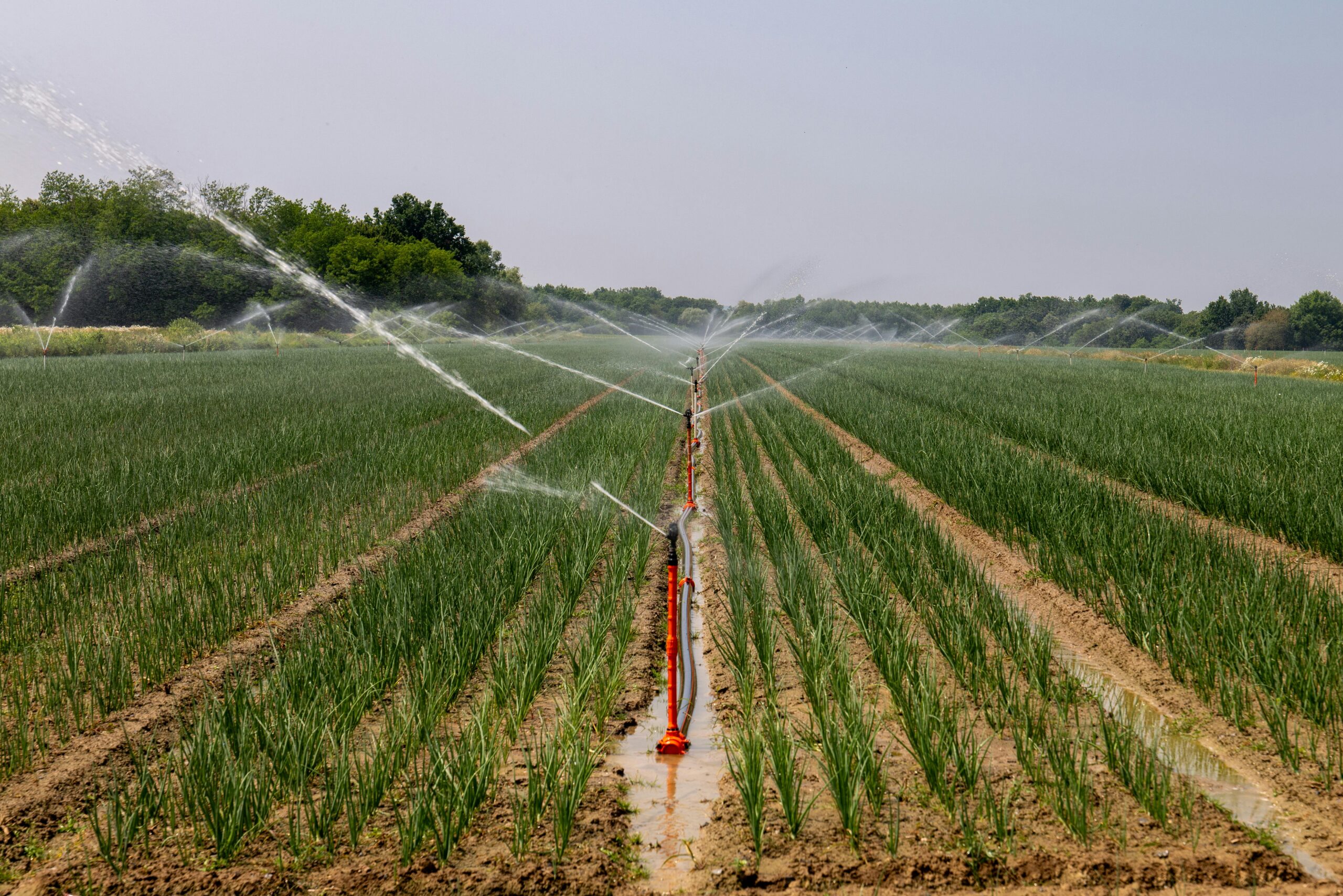
Water management capabilities of these systems are equally impressive. Trees regulate water cycles by improving rainfall infiltration and reducing runoff. Their shade reduces soil moisture evaporation, while their roots create channels that enhance groundwater recharge. During droughts, deep-rooted trees can access water unavailable to annual crops, maintaining some productivity when conventional farms fail completely.
Biodiversity flourishes in forest-farm environments. The structural complexity created by multiple vegetation layers provides habitats for diverse species, including beneficial insects, pollinators, birds, and soil organisms. This biodiversity creates natural pest control systems, reducing the need for chemical pesticides while making farms more resilient to disease outbreaks and pest infestations.
💰 Economic Returns That Make Financial Sense
The financial case for forest-farm systems is increasingly robust. Diversified income streams protect farmers from market volatility and crop failures. While annual crops provide regular income, trees generate revenue through timber, fruits, nuts, fodder, or other products. This diversification spreads risk across multiple commodities with different market cycles and harvest times.
Production costs often decrease over time as the system matures. Natural fertilization from tree litter reduces input expenses. Improved pest management through enhanced biodiversity decreases pesticide costs. Better water retention may reduce irrigation needs. Meanwhile, products from well-managed agroforestry systems often command premium prices in markets increasingly focused on sustainability and environmental stewardship.
Long-term asset appreciation shouldn’t be overlooked. Timber trees represent growing capital investments that appreciate over decades. Even without harvesting, farms with established tree systems typically have higher property values than comparable bare land. This creates wealth-building opportunities beyond annual crop revenues.
⚙️ Practical Implementation Strategies for Different Farm Types
Successful forest-farm hybrid systems require thoughtful design matching local conditions, farm objectives, and market opportunities. Several proven models offer frameworks for different agricultural contexts.
Alley Cropping: Maximizing Land Use Efficiency
Alley cropping involves planting rows of trees with wide spaces between them where annual or perennial crops grow. The spacing allows machinery access while providing tree benefits. Tree rows are typically oriented east-west to minimize shading, with alley widths determined by tree height, crop light requirements, and equipment dimensions.
Suitable tree species include nitrogen-fixing varieties like black locust or honey locust, nut trees such as pecans or chestnuts, or timber species like oak or walnut. Crop selection depends on shade tolerance, with options ranging from full-sun crops like corn in wide alleys to shade-tolerant crops like ginger or mushrooms in narrower spaces.
Silvopasture: Integrating Livestock and Forestry
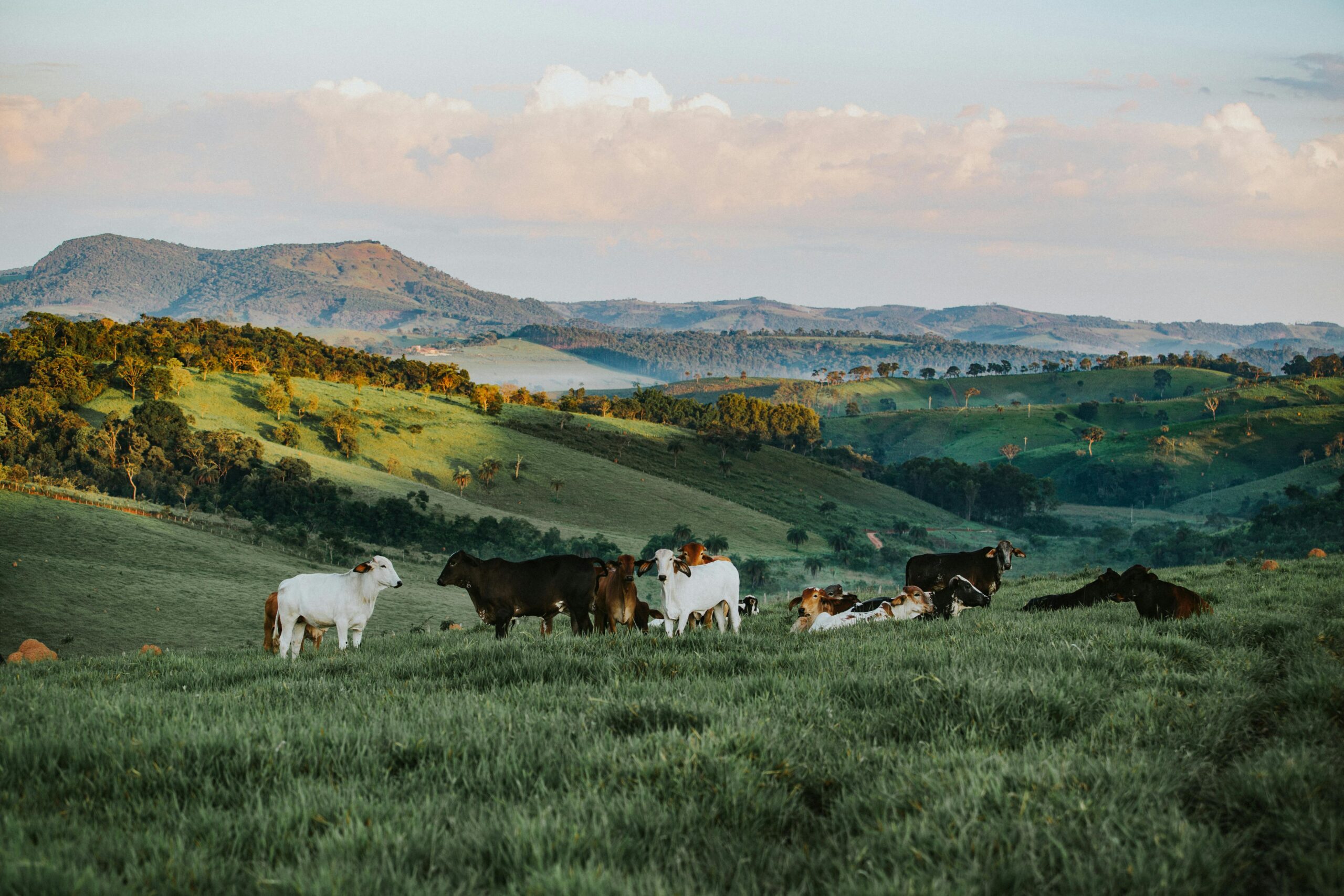
Silvopasture combines trees, forage plants, and livestock in managed systems. Trees provide shade that improves animal comfort and productivity, particularly in hot climates. Livestock benefit from supplemental tree fodder during forage shortages, while their manure fertilizes both pasture and trees.
Successful silvopasture requires careful grazing management to prevent tree damage. Young trees need protection until established, typically through fencing or tree guards. Stocking rates must balance forage production with pasture health. Properly managed, silvopasture can increase land productivity by 30-50% compared to separate forestry or pasture operations.
Forest Farming: Cultivating Specialty Crops Under Canopies
Forest farming involves growing specialty crops under existing forest canopies. This approach works particularly well for shade-tolerant high-value products like medicinal herbs, mushrooms, decorative ferns, or forest botanicals. Existing forests become productive agricultural assets without requiring clearing.
Species selection is critical—crops must tolerate available light levels while having sufficient market value to justify the investment. Products like ginseng, goldenseal, ramps, shiitake mushrooms, or forest honey can generate substantial income from relatively small acreages when properly managed and marketed.
Windbreaks and Riparian Buffers with Productive Functions
Traditional windbreaks and riparian buffers serve protective functions, but forest-farm thinking transforms them into productive assets. Rather than planting purely for wind protection or water quality, farmers select species that also produce marketable products—fruits, nuts, biomass, or timber.
This approach delivers environmental services while generating income. A windbreak of hazelnut bushes protects fields from wind while producing nuts. Riparian buffers of willow provide stream bank stabilization and water quality protection while producing biomass for energy or craft products.
🔧 Technology and Tools Supporting Modern Agroforestry
Contemporary forest-farm systems benefit from technological advances that previous generations lacked. Precision agriculture tools, remote sensing, and specialized software help farmers design, implement, and manage complex agroforestry operations more effectively.
Geographic Information Systems (GIS) enable detailed site analysis, helping farmers understand topography, soil variations, water flows, and microclimates. This information guides optimal placement of different system components. Drone technology and satellite imagery allow monitoring of system development, identifying problems early, and documenting carbon sequestration for potential carbon credit markets.
Specialized agroforestry design software helps farmers model different configurations, predicting shading patterns, growth rates, and economic returns over time. These tools reduce guesswork and help optimize designs before implementation. Mobile applications are emerging that assist with species selection, provide management guidance, and connect farmers with markets for specialty agroforestry products.
🌍 Climate Resilience Through Diversified Systems
Climate change creates unprecedented challenges for agriculture—increased weather volatility, shifting precipitation patterns, temperature extremes, and more frequent extreme events. Forest-farm hybrid systems build resilience against these threats through multiple mechanisms.
Temperature moderation is particularly valuable. Tree canopies reduce extreme heat exposure for understory crops and livestock. During cold snaps, trees provide some frost protection through canopy coverage and modified air flow. This buffering effect becomes increasingly critical as temperature extremes intensify.
Drought resilience represents another crucial advantage. The improved water infiltration and retention in agroforestry systems means farms maintain productivity longer during dry periods. Deep-rooted trees access water unavailable to annual crops, providing some production even in severe droughts. The diversity of species means some components continue functioning even when others struggle under stress.
Storm damage resistance improves through better soil stability and wind protection. Established tree systems anchor soil against heavy rainfall, reducing flood damage and erosion. Windbreaks protect crops and infrastructure from storm winds that increasingly threaten conventional farms.
💡 Overcoming Implementation Challenges
Despite obvious benefits, forest-farm systems face adoption barriers that require acknowledgment and practical solutions. Understanding these challenges helps farmers navigate the transition successfully.
Initial Establishment Costs and Time Horizons
Establishing trees requires upfront investment—purchasing seedlings, planting labor, protection from browsing, and maintenance during establishment years. Some tree species require many years before producing marketable products. This delayed return challenges farmers accustomed to annual crop revenue cycles.
Solutions include selecting faster-growing species for earlier returns, incorporating annual crops between establishing trees to maintain cash flow, and accessing financial incentives like conservation programs that offset establishment costs. Planning for phased implementation spreads costs over multiple years while allowing learning from initial sections before expanding.
Knowledge Gaps and Technical Support
Many farmers lack experience managing integrated tree-crop systems. Agricultural extension services often focus on conventional practices, providing limited agroforestry guidance. This knowledge gap creates uncertainty that discourages adoption.
Addressing this requires seeking specialized training through agroforestry organizations, connecting with experienced practitioners through farmer networks, and utilizing online resources and communities. Demonstration farms showcasing successful systems provide powerful learning opportunities and build confidence in the approach.
Market Development for Diverse Products
Forest-farm systems produce diverse outputs that may lack established marketing channels. Farmers accustomed to selling commodity crops face learning curves developing markets for specialty products like unusual nuts, medicinal herbs, or forest-grown mushrooms.
Success often requires entrepreneurial marketing approaches—direct-to-consumer sales, value-added processing, agritourism integration, or cooperative marketing with other agroforestry producers. Digital marketing tools and online sales platforms increasingly facilitate reaching consumers seeking sustainably produced specialty products.
📊 Measuring Success and Tracking Performance
Effective management requires monitoring system performance across multiple dimensions. Unlike conventional monocultures with simple metrics, forest-farm systems need comprehensive evaluation frameworks.
Financial metrics should track diverse revenue streams separately while calculating total farm profitability. Comparing full costs including labor against revenues for each enterprise provides clarity about which components perform best. Long-term financial modeling helps evaluate tree investments that mature over decades.
Environmental indicators demonstrate sustainability performance. Monitoring soil organic matter trends, biodiversity indices, water quality in nearby streams, and carbon sequestration rates documents environmental improvements. This data supports certification applications and carbon credit programs while guiding management refinements.
Productivity metrics adapted to polyculture systems provide management insights. Land Equivalent Ratios compare yields from integrated systems against separate monocultures, typically showing 20-60% higher productivity from well-designed agroforestry. Tracking these metrics over time demonstrates system development and validates design choices.
🚀 The Growing Movement Toward Agricultural Transformation
Forest-farm hybrid systems are transitioning from niche practices to mainstream agricultural solutions. Policy support is expanding as governments recognize their climate mitigation potential and environmental benefits. Financial incentives increasingly reward farmers for adopting these practices. Market demand for sustainably produced food creates economic pull toward agroforestry products.
Research institutions worldwide are intensifying agroforestry studies, developing improved practices and documenting benefits with rigorous science. This research foundation strengthens recommendations and builds credibility with skeptical farmers. Educational programs are incorporating agroforestry into agricultural curricula, ensuring future farmers understand these approaches.
Farmer-to-farmer knowledge exchange accelerates adoption as successful practitioners share experiences and encourage peers. Social media and online platforms facilitate these connections across geographic distances, creating global communities of practice. As visible examples of profitable sustainable farming multiply, the movement gains momentum.
Building Your Forest-Farm Future
Transitioning toward forest-farm hybrid systems represents both challenge and opportunity. Success requires commitment to learning, patience during establishment phases, and willingness to manage complexity. However, the rewards—environmental stewardship, economic resilience, and meaningful work creating regenerative agricultural systems—make the journey worthwhile.
Starting small allows learning without overwhelming risk. Begin with one field or farm section, implement a proven design appropriate for your conditions, and expand as experience grows. Connect with agroforestry networks for support and knowledge. Utilize available technical and financial assistance programs. Document your journey and share learnings with others.
The agricultural revolution toward integrated forest-farm systems isn’t merely about adopting new techniques—it represents a fundamental shift in how we understand farming’s relationship with natural ecosystems. Rather than fighting nature through inputs and tillage, these systems work with ecological processes to create productive, resilient, and regenerative farms.
As climate change intensifies and environmental degradation threatens food security, forest-farm hybrid systems offer practical solutions grounded in ecological wisdom and validated by modern science. They demonstrate that profitability and sustainability aren’t opposing forces but complementary objectives achievable through thoughtful design and management. The power of these systems to revolutionize agriculture while healing landscapes and stabilizing climate makes them essential tools for building our agricultural future.
Whether you manage acres or thousands of hectares, incorporating trees and forest elements into your farming operation deserves serious consideration. The path forward for sustainable and profitable agriculture increasingly runs through the forest-farm hybrid systems that honor both production needs and ecological realities. The revolution has begun—the question is when you’ll join it.