Anúncios
Climate change is reshaping agriculture at an unprecedented pace, forcing farmers worldwide to rethink traditional practices and embrace innovative, resilient strategies for sustainable food production.

🌍 Understanding the Climate Challenge in Modern Agriculture
The agricultural sector faces mounting pressure from increasingly unpredictable weather patterns, rising temperatures, and extreme climate events. Droughts, floods, heat waves, and unseasonal frosts are no longer anomalies but recurring threats that jeopardize crop yields and food security. Farmers who once relied on generational knowledge and predictable seasonal patterns now find themselves navigating uncharted territory.
Anúncios
Climate-adaptive farming isn’t merely about survival—it’s about building agricultural systems that thrive despite environmental volatility. This approach requires integrating scientific knowledge, technological innovation, and traditional wisdom to create farming practices that can withstand and adapt to changing conditions while maintaining productivity and profitability.
Building Soil Resilience: The Foundation of Climate-Adaptive Farming
Healthy soil represents the cornerstone of any climate-resilient farming system. Soil rich in organic matter acts as a carbon sink, improves water retention, and supports diverse microbial communities that enhance plant health. Farmers implementing soil-building strategies are better positioned to weather climate extremes.
Anúncios
Regenerative Soil Management Practices
Cover cropping stands out as one of the most effective soil improvement techniques. By planting crops specifically to protect and enrich soil during off-seasons, farmers prevent erosion, suppress weeds, and add organic matter. Leguminous cover crops like clover and vetch also fix atmospheric nitrogen, reducing dependence on synthetic fertilizers.
Reduced tillage or no-till farming minimizes soil disturbance, preserving soil structure and the beneficial organisms within it. This practice reduces carbon emissions, prevents erosion, and improves water infiltration—critical factors during both drought and heavy rainfall events.
Composting and adding organic amendments transform agricultural waste into valuable soil resources. These materials improve soil texture, increase water-holding capacity, and provide slow-release nutrients that support steady plant growth throughout variable weather conditions.
💧 Water Management Strategies for Uncertain Rainfall Patterns
Water scarcity and flooding—often affecting the same regions in different seasons—represent two sides of the climate challenge. Smart water management systems allow farmers to optimize this precious resource regardless of precipitation extremes.
Efficient Irrigation Technologies
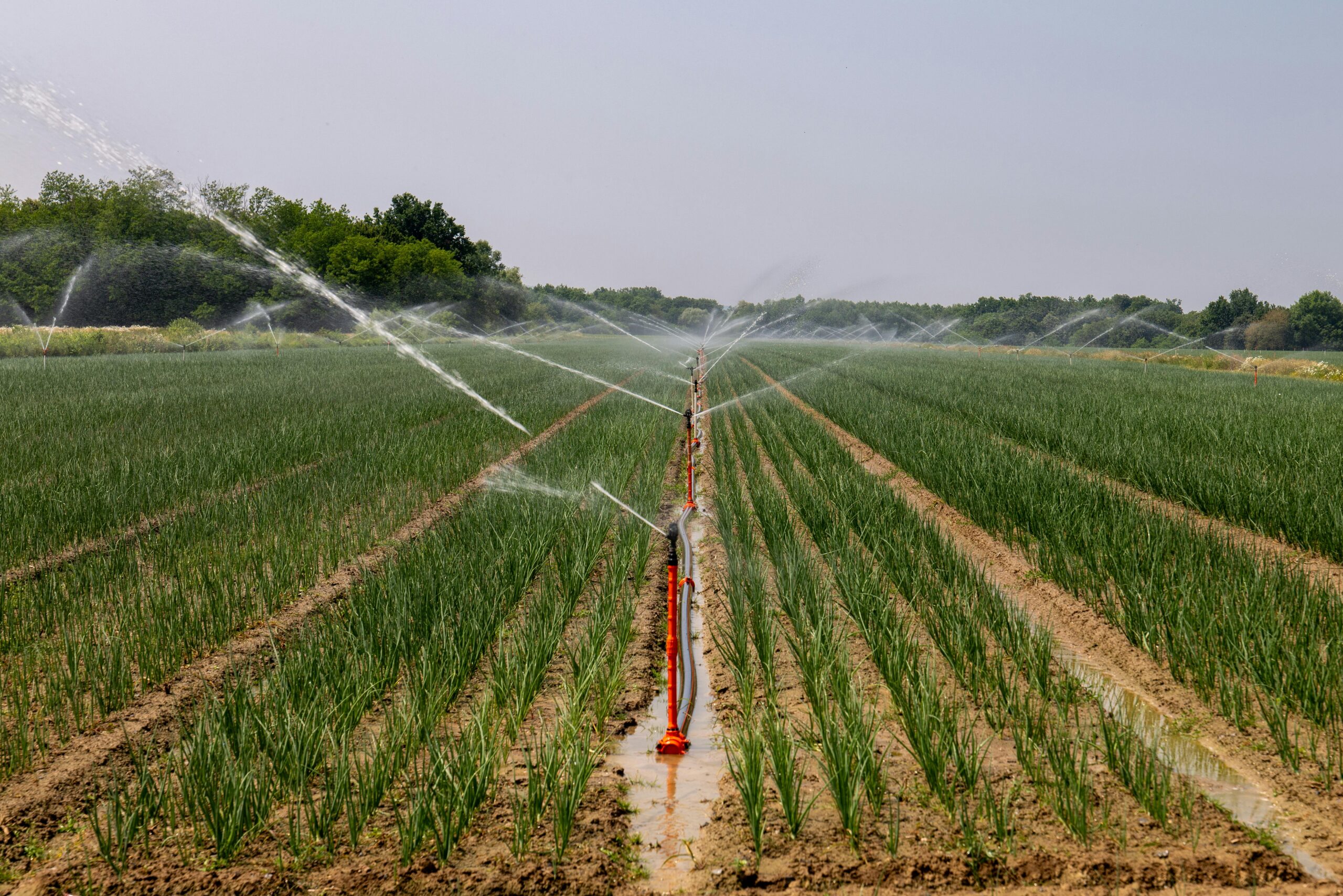
Drip irrigation delivers water directly to plant roots, minimizing evaporation and runoff. This precision approach reduces water consumption by 30-50% compared to traditional methods while often improving yields. Modern systems incorporate sensors and timers that respond to real-time soil moisture levels, ensuring plants receive exactly what they need.
Rainwater harvesting infrastructure captures and stores precipitation during wet periods for use during dry spells. Ponds, tanks, and underground cisterns provide buffer capacity that smooths out seasonal variability. This stored water also serves emergency purposes during unexpected drought periods.
Landscape-Level Water Conservation
Contour farming and terracing slow water movement across slopes, increasing infiltration and reducing erosion. These time-tested techniques become increasingly valuable as rainfall intensity increases with climate change. Strategic placement of swales, berms, and vegetation creates a landscape that works with water rather than against it.
Wetland restoration and riparian buffers improve watershed health while providing habitat for beneficial organisms. These features regulate water flow, filter pollutants, and create microclimates that moderate temperature extremes.
Crop Diversification: Nature’s Insurance Policy 🌾
Monoculture farming—growing single crops across vast areas—creates vulnerability to climate shocks, pests, and diseases. Diversification distributes risk and creates more stable production systems that can absorb environmental stresses without complete failure.
Strategic Variety Selection
Planting multiple crop varieties with different maturation periods, drought tolerance levels, and temperature requirements ensures that at least some crops succeed despite unfavorable conditions. Heirloom and landrace varieties often possess genetic traits that commercial varieties lack, including resilience to specific local stresses.
Intercropping—growing complementary crops together—maximizes land use efficiency while creating beneficial relationships between plants. Nitrogen-fixing legumes support neighboring crops, while deep-rooted plants bring up nutrients for shallow-rooted companions. This diversity also confuses pests and reduces disease transmission.
Integrating Perennial Systems
Perennial crops and agroforestry systems offer remarkable climate resilience. Deep root systems access water and nutrients beyond annual crop reach, while permanent vegetation cover protects soil year-round. Fruit and nut trees, berry bushes, and perennial grains provide harvests with minimal soil disturbance.
Silvopasture combines trees, forage, and livestock in integrated systems that sequester carbon, provide shade, diversify income streams, and create microclimates that buffer temperature extremes. These multi-layered systems mimic natural ecosystems while producing food and fiber.
🌡️ Adapting to Temperature Extremes
Rising average temperatures and increasingly frequent heat waves threaten crops worldwide. Simultaneously, polar vortex events bring unexpected freezes to regions unaccustomed to hard frosts. Farmers must prepare for both ends of the temperature spectrum.
Heat Management Techniques
Shade structures, whether permanent or seasonal, protect vulnerable crops during extreme heat events. Living shade from nurse trees or shade cloth installations can mean the difference between crop survival and total loss during heat waves. Reflective mulches also reduce soil temperature while conserving moisture.
Selecting heat-tolerant varieties becomes increasingly important as temperature records continue breaking. Plant breeders are developing crops that maintain productivity at higher temperatures, and farmers should actively seek these improved genetics for their operations.
Frost Protection Strategies
Frost protection requires advance planning and rapid response capabilities. Wind machines, sprinkler systems that coat plants in protective ice, and smudge pots represent different approaches suitable for various scales and crops. Microclimate management through careful site selection places frost-sensitive crops in protected locations.
Technology Integration for Climate Intelligence 📱
Modern technology provides farmers with unprecedented access to weather data, soil information, and decision-support tools. Precision agriculture technologies optimize input use while monitoring crop health in real-time.
Weather Forecasting and Decision Support
Hyperlocal weather forecasting applications help farmers time critical operations like planting, spraying, and harvesting. These tools provide advance warning of extreme weather events, allowing proactive rather than reactive management. Satellite imagery and drone technology enable monitoring of large areas for stress indicators before problems become visible from ground level.
Farm management software integrates data from multiple sources—weather stations, soil sensors, yield monitors, and financial records—creating comprehensive pictures that inform strategic decisions. These platforms help identify trends, optimize resource allocation, and document the impacts of climate adaptation measures.
Sensor Networks and Automation
Soil moisture sensors, weather stations, and crop monitoring devices create information networks that enable precise management. Automated irrigation systems respond to real-time conditions, applying water only when needed. Remote monitoring allows farmers to track conditions from anywhere, responding quickly to emerging issues.
🐄 Climate-Adaptive Livestock Management
Animal agriculture faces distinct climate challenges including heat stress, changing forage availability, and evolving disease pressures. Adaptive livestock systems protect animal welfare while maintaining productivity under variable conditions.
Heat Stress Mitigation
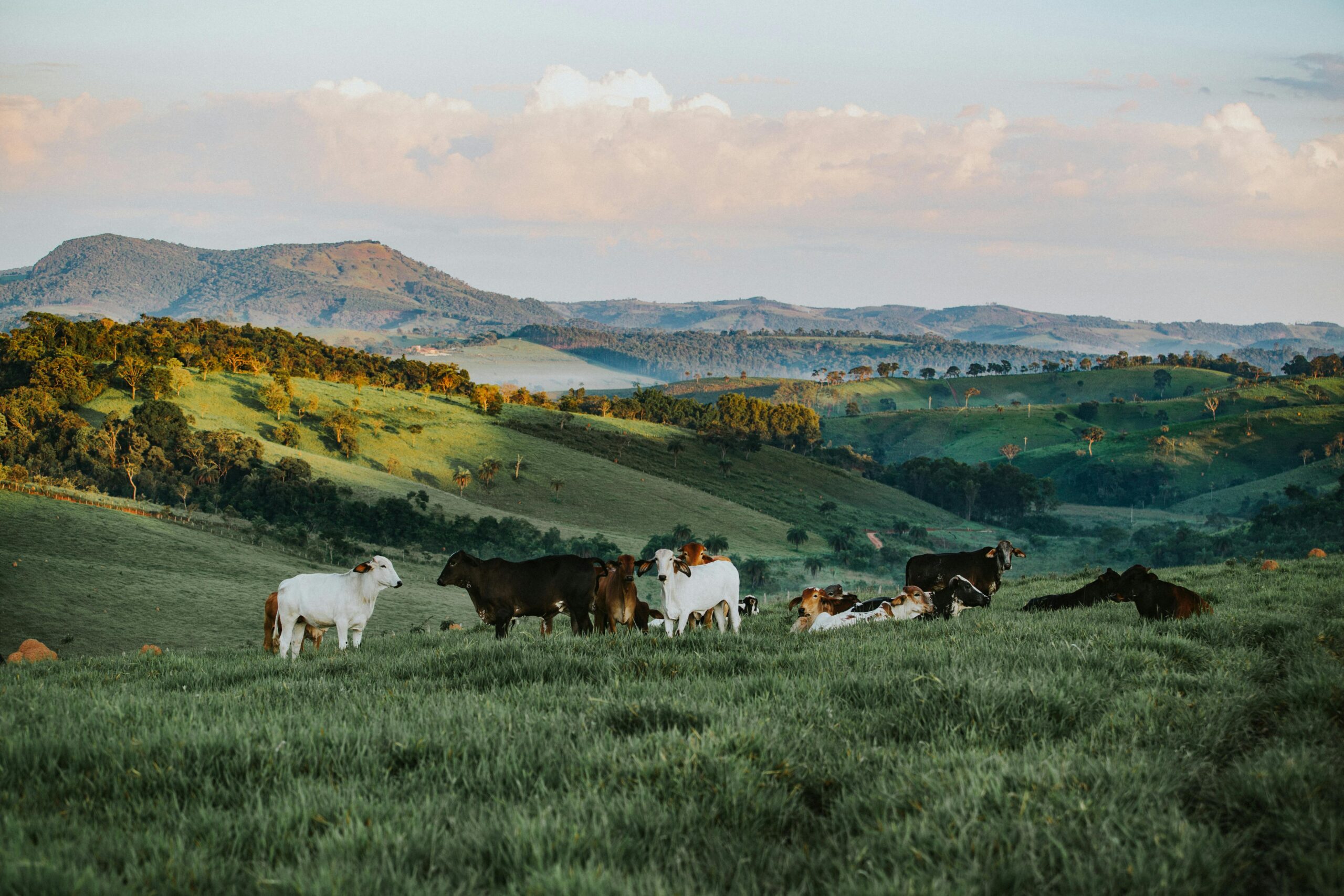
Providing adequate shade, cooling systems, and fresh water becomes critical as temperatures rise. Selecting heat-tolerant breeds and genetic lines improves natural resilience. Rotational grazing prevents overgrazing while allowing pastures to recover, maintaining forage quality even during challenging weather.
Feed Security and Diversification
Storing adequate feed reserves buffers against forage shortages during droughts or floods. Diversifying feed sources—including drought-tolerant forage species, fodder trees, and alternative feeds—ensures livestock nutrition doesn’t depend on single sources vulnerable to climate disruptions.
Building Community Resilience and Knowledge Networks 🤝
Individual farm resilience strengthens when embedded within supportive communities and knowledge-sharing networks. Collaboration amplifies resources, spreads risk, and accelerates learning about effective adaptation strategies.
Farmer-to-Farmer Learning
Peer learning networks allow farmers to share experiences, successes, and failures with climate adaptation techniques. What works in one context may need modification elsewhere, but these exchanges accelerate the collective learning curve. Field days, discussion groups, and online forums create spaces for this vital knowledge exchange.
Connecting with Research and Extension
Agricultural research institutions develop new varieties, techniques, and technologies specifically for climate adaptation. Extension services bridge the gap between research and practice, helping farmers access and implement cutting-edge strategies. Participating in on-farm research trials contributes to knowledge generation while providing early access to innovations.
Financial Planning for Climate Adaptation 💰
Implementing climate-adaptive practices requires investment, and the transition period may involve reduced yields or additional expenses. Strategic financial planning ensures farms can weather short-term costs while building long-term resilience.
Risk Management Tools
Crop insurance protects against catastrophic losses, but policies should be carefully evaluated for climate-relevant coverage. Index-based insurance tied to weather parameters rather than actual yields provides faster payouts and may better match climate risks.
Diversified income streams reduce dependence on single crops or products vulnerable to specific climate impacts. Value-added products, agritourism, ecosystem service payments, and off-farm income create financial buffers that support agricultural operations through difficult periods.
Accessing Support and Incentives
Government programs, conservation grants, and carbon market payments increasingly support climate-adaptive farming practices. These financial incentives can offset transition costs for cover cropping, agroforestry, improved irrigation systems, and other resilience-building investments.
🔬 Embracing Innovation While Respecting Tradition
The most effective climate adaptation strategies often blend cutting-edge science with traditional knowledge accumulated over generations. Indigenous farming practices frequently embody principles of resilience, diversity, and ecosystem integration that modern agriculture is rediscovering.
Learning from Traditional Systems
Traditional polyculture systems like the “three sisters” (corn, beans, and squash) demonstrate complementary relationships that improve overall system resilience. Traditional water harvesting, soil management, and crop selection strategies developed over centuries often prove remarkably well-suited to climate-variable conditions.
Biotechnology and Breeding Innovation
Modern plant breeding—including both conventional and biotechnology approaches—develops varieties with enhanced drought tolerance, heat resistance, pest resistance, and nutritional profiles. Marker-assisted selection accelerates breeding programs, bringing improved varieties to farmers faster. Gene banks preserve genetic diversity that may prove crucial for future adaptation needs.
Taking Action: Implementing Climate-Adaptive Strategies Today 🌱
The transition to climate-adaptive farming doesn’t require wholesale transformation overnight. Strategic, incremental changes allow farmers to test approaches, learn from results, and gradually build comprehensive resilience.
Starting with Soil Health
Beginning with soil improvement through cover crops, reduced tillage, or organic amendments provides immediate benefits while creating the foundation for additional adaptations. These practices typically pay for themselves through improved yields and reduced input costs within a few seasons.
Pilot Projects and Experimentation
Testing new practices on small scales before farm-wide implementation reduces risk while generating valuable learning. Comparing adapted areas with conventional management provides concrete data about effectiveness and economic viability in specific contexts.
Long-Term Vision with Flexible Implementation
Developing a comprehensive farm resilience plan provides direction while remaining flexible enough to incorporate new information and technologies. Regular assessment and adjustment ensure strategies remain aligned with evolving climate conditions and farm circumstances.
The Path Forward: Resilience Through Adaptation 🌟
Climate change presents undeniable challenges to agriculture, but farmers worldwide are demonstrating that adaptation is possible and profitable. The strategies outlined here—soil health, water management, diversification, technology integration, livestock adaptation, community collaboration, and financial planning—create robust systems capable of thriving despite uncertainty.
Success requires viewing climate adaptation not as a burden but as an opportunity to build more sustainable, productive, and resilient agricultural systems. Farms that embrace these strategies position themselves to weather climate extremes while maintaining profitability and stewardship of natural resources.
The future of agriculture depends on actions taken today. By implementing climate-adaptive practices now, farmers safeguard their operations, contribute to global food security, and demonstrate that agriculture can be part of the solution to climate change rather than merely a victim of it.
Every farm’s journey toward climate resilience will be unique, shaped by local conditions, resources, and priorities. However, the fundamental principles remain universal: build soil health, manage water wisely, diversify production, leverage technology thoughtfully, learn continuously, and plan strategically. Together, these elements create agricultural systems capable of feeding the world despite whatever climate challenges lie ahead.