Anúncios
Holistic grazing models are transforming how farmers manage pastures, creating resilient ecosystems that benefit soil, livestock, and long-term agricultural sustainability.

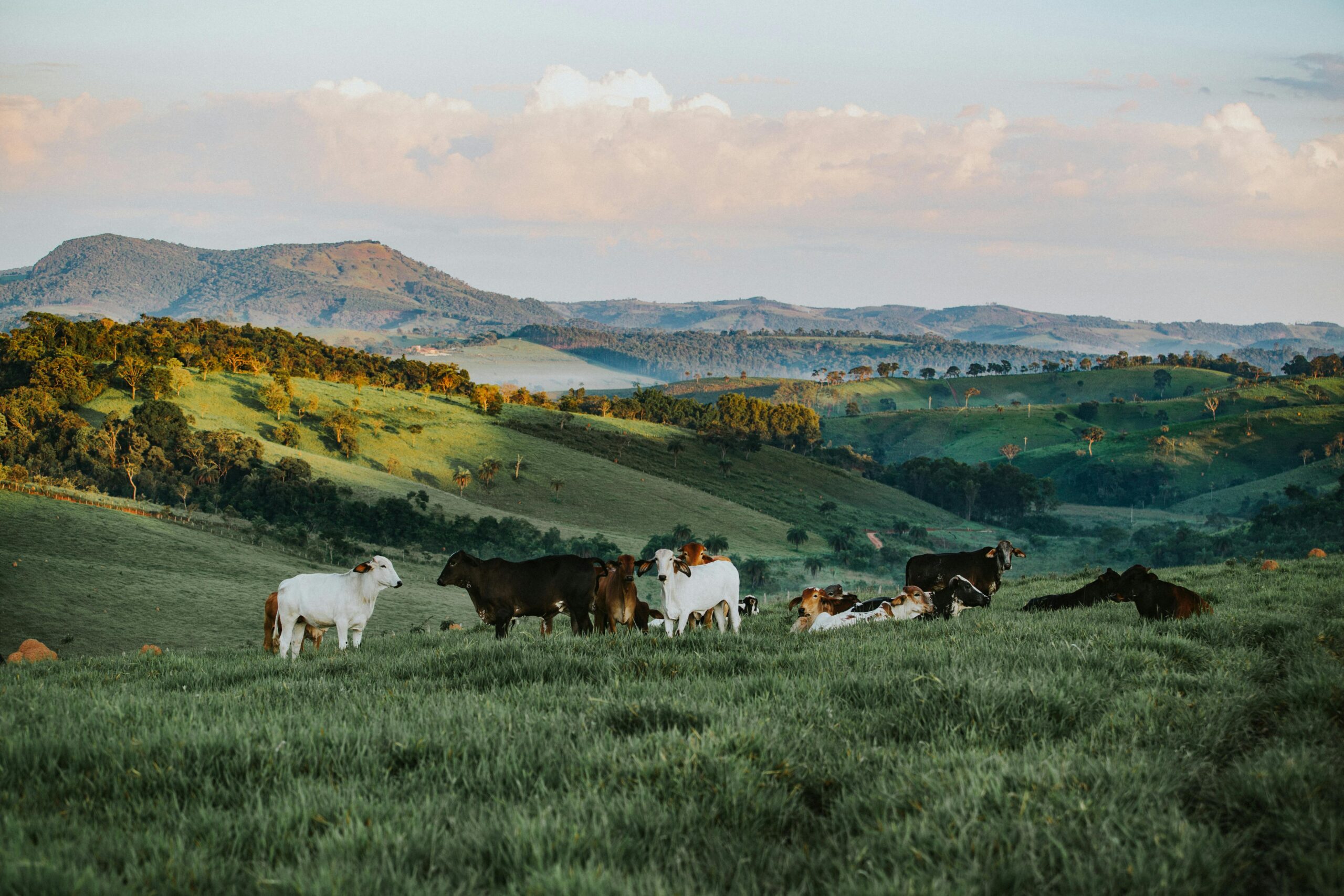
The agricultural landscape is undergoing a profound transformation as farmers worldwide recognize that conventional grazing practices often deplete soil health, reduce pasture productivity, and compromise livestock performance. Traditional continuous grazing systems, where animals remain on the same pasture for extended periods, have contributed to compacted soils, diminished biodiversity, and declining farm profitability. In response, progressive ranchers and farmers are embracing holistic grazing management—a revolutionary approach that mimics natural grazing patterns observed in wild herbivore populations.
Anúncios
This comprehensive methodology considers the entire ecosystem as an interconnected web where livestock, plants, soil microorganisms, water cycles, and mineral cycles work in harmony. Rather than viewing cattle, sheep, or goats as mere production units, holistic grazing recognizes them as essential partners in regenerating landscapes and building soil fertility. The results speak volumes: farms implementing these practices report increased forage production, improved animal health, enhanced carbon sequestration, and greater economic resilience even during drought conditions.
🌱 Understanding the Foundation of Holistic Grazing Management
Holistic grazing management, pioneered by Zimbabwean biologist Allan Savory in the 1960s and refined over decades, fundamentally reimagines the relationship between grazing animals and the land they inhabit. At its core, this approach recognizes that grassland ecosystems evolved alongside large herds of migrating herbivores that would intensively graze an area for brief periods before moving onward, allowing lengthy recovery times for vegetation.
Anúncios
The key principle involves high-density, short-duration grazing followed by adequate rest periods. This pattern stimulates plant growth, encourages deeper root development, and creates conditions where soil biology thrives. When animals graze a paddock intensively for one to three days and then move to fresh pasture, plants respond with vigorous regrowth. The trampling action incorporates plant residue into the soil surface, feeding microbial communities while creating soil cover that retains moisture and moderates temperature extremes.
Unlike rotational grazing systems that follow rigid schedules, holistic planned grazing adapts to real-time conditions. Farmers monitor forage growth rates, precipitation patterns, animal nutritional needs, and recovery periods, adjusting grazing plans accordingly. This flexibility ensures that decision-making serves the health of the whole ecosystem rather than following predetermined formulas that may not match actual conditions.
The Soil Health Revolution Through Strategic Grazing 🌍
Soil health represents the foundation of sustainable agriculture, and holistic grazing models excel at building this critical resource. Conventional continuous grazing often leads to bare soil patches, compaction from repeated hoof traffic in the same areas, and diminished organic matter as plants are repeatedly grazed before they can fully photosynthesize and develop robust root systems.
In contrast, holistic grazing creates conditions where soil organic matter steadily increases. When livestock graze intensively and move on, plants retain enough leaf area for rapid photosynthesis, sending carbon-rich exudates through their roots to feed bacterial and fungal networks. This biological activity builds soil structure, creating aggregates that hold water and nutrients while allowing air infiltration.
The impact on soil carbon sequestration cannot be overstated. Research from multiple continents demonstrates that well-managed grazing lands can sequester significant amounts of atmospheric carbon dioxide into stable soil organic matter. Some studies indicate that regenerative grazing practices can capture 0.5 to 2 tons of carbon per acre annually, transforming pastures from carbon sources into carbon sinks. This climate mitigation benefit adds another dimension to the sustainability profile of holistic grazing systems.
Biological Diversity Beneath Your Feet
Healthy soil teems with life—bacteria, fungi, protozoa, nematodes, arthropods, and earthworms all contribute to nutrient cycling and soil structure. Holistic grazing practices dramatically increase this biological diversity. The combination of plant diversity in pastures (encouraged by avoiding overgrazing), periodic disturbance from hooves, and organic matter inputs creates ideal conditions for soil organisms to flourish.
Mycorrhizal fungi, which form symbiotic relationships with plant roots, extend far beyond the root zone to access water and nutrients in exchange for plant sugars. These fungal networks increase dramatically under proper grazing management, essentially expanding the effective root system of pasture plants. The result is enhanced drought resilience, improved nutrient uptake, and healthier, more productive forage.
Designing Your Holistic Grazing Plan for Maximum Impact 📋
Implementing holistic grazing management requires thoughtful planning that considers your specific landscape, climate, livestock type, and financial resources. The process begins with establishing your holistic goal—a statement that defines the quality of life you want, the resources you have to work with, and the future landscape you’re creating.
The next step involves subdividing pastures into smaller paddocks that allow for adequate herd movement. The number of paddocks needed depends on your recovery period requirements, which vary by climate, season, and forage type. Cool-season grasses in temperate regions might need 30-45 days of rest during peak growing season, while warm-season grasses in arid climates may require 60-90 days or more.
Calculating Paddock Numbers and Grazing Periods
A simple formula helps determine infrastructure needs: divide your desired recovery period by your planned grazing period. If you want 40 days of rest and plan to graze each paddock for 2 days, you’ll need at least 20 paddocks in your rotation. Many farmers start with fewer paddocks and gradually increase subdivision as they observe results and refine their management.
Permanent and temporary fencing both play roles in flexible grazing systems. Permanent perimeter fencing and water systems provide the framework, while portable electric fencing allows for subdivision and adjustment. Modern polywire and step-in posts make temporary fencing remarkably efficient, enabling one person to create new paddock divisions in minutes.
🐄 Livestock Performance Gains Through Holistic Management
Animal performance improvements often surprise farmers transitioning to holistic grazing models. When livestock consistently access high-quality forage in the vegetative growth stage, they consume more nutrients per bite. The brief grazing periods prevent selective overgrazing of preferred species, ensuring that animals harvest a diverse diet rather than continually searching for the best bites in an overgrazed pasture.
Weight gains in beef cattle frequently increase by 20-40% compared to continuous grazing systems. Dairy operations report improved milk production and composition. Sheep and goat producers observe better fertility rates, reduced parasite loads, and improved lamb and kid survival rates. These performance improvements directly translate to enhanced profitability, even before accounting for reduced feed costs.
The animal health benefits extend beyond basic performance metrics. Diverse pasture diets provide a broader range of nutrients, secondary compounds, and fiber types that support rumen health and immune function. Reduced stress from moving animals to fresh forage daily creates calmer herds and flocks. Hoof health often improves as animals walk more on varied terrain rather than standing in mud or on heavily compacted areas.
Parasite Management Through Strategic Grazing
One unexpected benefit of holistic grazing involves reduced internal parasite burdens in livestock. Most parasitic worms have life cycles that require animals to ingest larvae from vegetation close to the soil surface. When livestock move through paddocks quickly and don’t return for 45-60 days or more, parasite life cycles are disrupted. Larvae either die from desiccation and UV exposure or are consumed by dung beetles and other invertebrates before livestock return.
This biological parasite control reduces reliance on chemical dewormers, lowering input costs while supporting beneficial dung beetle populations that accelerate nutrient cycling. Many holistic grazers report dramatically reduced deworming requirements, with some operations virtually eliminating routine treatments and only treating individual animals showing clinical signs.
Water Management and Infrastructure Considerations 💧
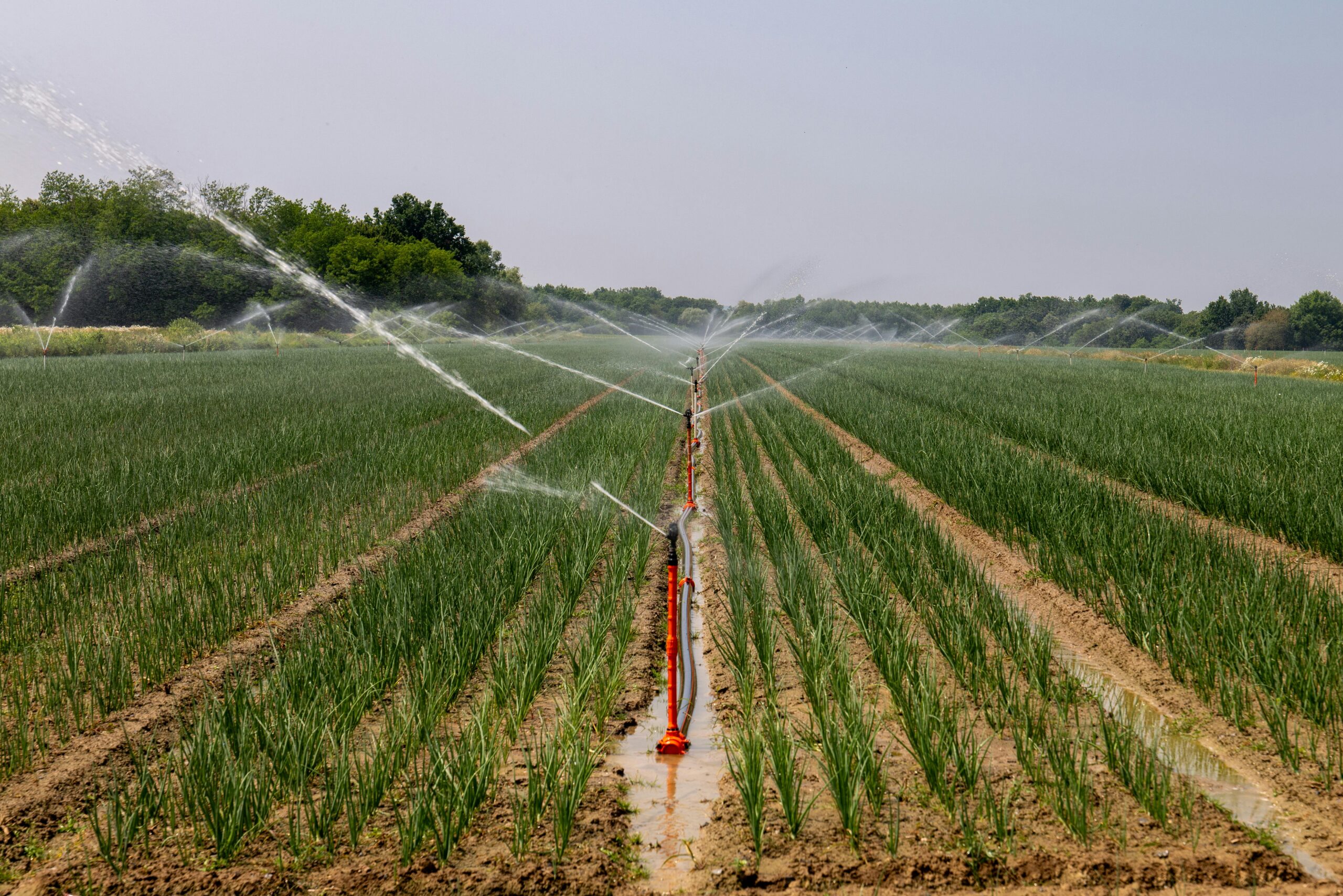
Access to clean water in every paddock presents a logistical challenge that creative farmers solve through various strategies. Some operations install permanent water lines with hydrants distributed throughout the property, using portable tanks in each paddock. Others use gravity-fed systems from elevated storage tanks or solar-powered pumps that move water to different locations.
The investment in water infrastructure pays dividends through improved livestock distribution and performance. When animals don’t need to walk long distances to water, they spend more time grazing and resting. This translates directly to better gains and reduced stress. Additionally, controlling water access prevents livestock from loitering around streams and ponds, protecting riparian zones from overuse.
Some innovative farmers incorporate water harvesting into their holistic plans, creating ponds and swales that capture rainfall and reduce runoff. These landscape modifications increase water infiltration, raise water tables, and extend the growing season for forage plants. The combination of improved soil health from holistic grazing and strategic water management creates increasingly resilient agricultural systems.
🌾 Forage Species Diversity and Pasture Renewal
Holistic grazing management encourages plant diversity in pastures, recognizing that monocultures are inherently less resilient and productive than diverse plant communities. Many farmers intentionally introduce multiple grass species, legumes, and forbs to create polycultures that provide balanced nutrition throughout the grazing season.
Cool-season grasses like orchardgrass, tall fescue, and perennial ryegrass provide early spring and fall growth. Warm-season natives such as switchgrass, big bluestem, and indiangrass peak during summer heat. Legumes including clover, alfalfa, and birdsfoot trefoil fix atmospheric nitrogen, reducing or eliminating fertilizer requirements while providing protein-rich forage. Forbs like chicory, plantain, and various native species offer minerals and secondary compounds that support animal health.
No-Till Pasture Renovation Techniques
Rather than destroying existing pasture sod to renovate, holistic managers often use livestock as ecosystem engineers. Intensive grazing during muddy conditions or after frost creates hoof impressions that serve as seed beds. Broadcasting diverse seed mixes during these opportunities, followed by hoof action to press seeds into contact with soil, establishes new species without tillage equipment.
This approach preserves soil structure and biological activity while reducing costs and fuel consumption. Over several seasons, formerly degraded pastures transform into diverse, productive swards that support higher stocking rates and improved animal performance.
Economic Benefits and Enterprise Profitability 💰
The financial case for holistic grazing management becomes compelling when considering both reduced inputs and increased outputs. Feed costs typically represent the largest expense in livestock operations. Farms implementing holistic grazing consistently extend their grazing season, reducing hay feeding requirements by weeks or even months.
One Midwestern beef producer documented a 90-day extension of the grazing season after implementing planned grazing, eliminating the need to feed approximately 4 tons of hay per cow annually. At typical hay costs, this represented savings of several hundred dollars per animal unit, dramatically improving enterprise profitability even before accounting for improved animal performance.
Reduced veterinary costs, lower machinery expenses, and decreased fertilizer requirements further improve financial performance. Many operations find that profitability increases even with reduced stocking rates during the transition period, as per-animal performance and reduced inputs offset lower total animal numbers.
Marketing Advantages and Premium Products
Consumer interest in regeneratively produced foods creates marketing opportunities for holistically managed operations. Grass-finished beef, pasture-raised poultry, and dairy products from well-managed grazing systems often command premium prices in direct marketing channels. Farmers can tell authentic stories about soil health improvement, carbon sequestration, and animal welfare that resonate with environmentally conscious consumers.
Several certification programs now recognize holistic and regenerative grazing practices, providing third-party verification that can facilitate market access. Some operations have built successful brands around their management practices, creating customer loyalty that insulates them from commodity market volatility.
Overcoming Implementation Challenges and Common Mistakes 🎯
Transitioning to holistic grazing management presents challenges that require patience and adaptability. The most common mistake involves subdividing pastures without adequately planning for recovery periods. Creating many small paddocks but moving livestock too quickly through the rotation results in plants being regrazed before they’ve recovered, leading to deterioration rather than improvement.
Another frequent error involves rigid adherence to schedules rather than adapting to actual plant growth and recovery. Holistic management requires observation and flexibility—sometimes animals need to move sooner than planned when forage is consumed, while other times they can stay longer if growth hasn’t met expectations.
Infrastructure costs concern many farmers considering this transition. However, starting with a simple system and expanding gradually allows for learning without overwhelming financial commitment. Many successful operations began with basic polywire fencing dividing existing pastures into just four or five paddocks, adding complexity as experience and resources grew.
Monitoring Progress and Adaptive Management 📊
Systematic monitoring provides the feedback necessary for continuous improvement in holistic grazing systems. Simple tools like photo points, taken from the same locations throughout the season, document changes in plant community composition, soil cover, and overall landscape health. These visual records often reveal improvements that might otherwise go unnoticed in daily management.
Soil testing beyond standard fertility analysis offers deeper insights. Measuring soil organic matter, aggregate stability, infiltration rates, and biological activity helps quantify the soil health improvements resulting from management changes. Many farmers conduct these tests annually or biennially, building a dataset that demonstrates long-term trends.
Livestock performance records—weights, body condition scores, reproduction rates, and health interventions—provide another critical monitoring layer. Comparing these metrics before and after implementing holistic grazing typically shows steady improvement, validating management decisions and highlighting areas needing adjustment.

🌟 Embracing the Holistic Grazing Journey
Revolutionizing pasture management through holistic grazing models represents more than adopting new techniques—it requires a fundamental shift in how farmers view their role in agricultural ecosystems. Rather than simply extracting production from the land, holistic managers become stewards who work with natural processes to build soil health, increase biodiversity, and create resilient food production systems.
The evidence supporting these practices continues accumulating across diverse climates and production systems. From the rangeland of Montana to the humid Southeast, from sheep operations in New Zealand to cattle ranches in Brazil, farmers applying holistic principles report similar benefits: improved soil health, enhanced livestock performance, increased drought resilience, and greater profitability.
Starting this journey doesn’t require perfection or complete transformation overnight. Small steps—subdividing one pasture, experimenting with shorter grazing periods, observing plant recovery rates—begin the learning process. Each grazing season provides opportunities to refine management, incorporate new techniques, and witness the remarkable capacity of well-managed grasslands to heal and produce abundantly.
The future of sustainable agriculture depends on farming systems that regenerate resources rather than deplete them. Holistic grazing management offers a proven pathway toward this goal, transforming pastures into thriving ecosystems that sequester carbon, build soil, support wildlife, and produce nutrient-dense food. For farmers willing to embrace this approach, the rewards extend far beyond improved balance sheets—they include the satisfaction of leaving the land healthier than they found it, creating a legacy of regeneration for future generations.