Anúncios
Water scarcity affects billions worldwide, making innovative recycling solutions essential for our planet’s survival and prosperity in the coming decades.

🌊 The Urgent Need for Water Recycling Innovation
Our planet faces an unprecedented water crisis. With climate change intensifying droughts, population growth accelerating demand, and aging infrastructure failing communities worldwide, the traditional approach to water management is no longer sustainable. According to recent United Nations reports, approximately 2.2 billion people lack access to safely managed drinking water services, while industrial and agricultural sectors consume vast quantities of freshwater resources daily.
Anúncios
Water recycling represents more than just an environmental initiative—it’s a critical survival strategy for modern civilization. As freshwater sources dwindle and pollution threatens existing supplies, cutting-edge water recycling technologies offer hope for a sustainable future. These innovations transform wastewater from burden to resource, creating circular systems that minimize waste while maximizing efficiency.
The economic implications are equally compelling. Industries spending billions on water procurement can dramatically reduce costs through advanced recycling systems. Municipalities facing infrastructure challenges can extend the lifespan of existing treatment facilities while meeting growing demands. The intersection of environmental responsibility and economic viability makes water recycling design one of the most promising fields in sustainability engineering.
Anúncios
💡 Breakthrough Technologies Transforming Water Treatment
Modern water recycling has evolved far beyond traditional filtration methods. Today’s cutting-edge systems employ sophisticated technologies that can purify water to standards exceeding many natural sources, making recycled water suitable for virtually any application including potable use.
Advanced Membrane Filtration Systems
Membrane technology represents the cornerstone of contemporary water recycling design. Reverse osmosis systems, now enhanced with nanotechnology, can remove contaminants at the molecular level. These ultra-thin membranes feature precisely engineered pores that block pollutants, bacteria, viruses, and even dissolved salts while allowing pure water molecules to pass through.
Forward osmosis systems offer an energy-efficient alternative, using natural osmotic pressure differences to drive purification processes. This technology significantly reduces the carbon footprint associated with water treatment, aligning perfectly with broader sustainability goals. Ceramic membrane filters provide exceptional durability for industrial applications, withstanding harsh chemicals and high temperatures while maintaining consistent performance over extended periods.
Biological Treatment Innovation
Nature-inspired purification methods are gaining remarkable traction in modern water recycling facilities. Constructed wetlands mimic natural ecosystems, using carefully selected plant species and microbial communities to break down organic contaminants and absorb heavy metals. These living treatment systems require minimal energy input while providing aesthetic and ecological benefits.
Membrane bioreactors combine biological treatment with advanced filtration, creating compact systems that deliver superior water quality. Microorganisms consume organic pollutants while membranes simultaneously filter out particles and pathogens. This dual-action approach produces exceptionally clean water in a smaller footprint compared to conventional treatment plants.
Smart Monitoring and AI Integration
Artificial intelligence and Internet of Things sensors revolutionize water recycling management. Real-time monitoring systems track water quality parameters continuously, detecting contamination incidents instantly and adjusting treatment processes automatically. Machine learning algorithms predict maintenance needs before equipment failures occur, preventing costly downtime and ensuring consistent water quality.
Digital twins—virtual replicas of physical treatment systems—allow operators to simulate scenarios, optimize performance, and train staff without risking actual infrastructure. These technological advances transform water recycling from reactive maintenance to proactive optimization, maximizing efficiency and reliability.
🏢 Industrial Applications Leading the Change
Industries consuming massive water quantities are pioneering recycling innovations that benefit both their bottom lines and the environment. Manufacturing facilities, data centers, and agricultural operations demonstrate how advanced recycling systems create competitive advantages while reducing environmental impact.
Manufacturing and Production Facilities
Semiconductor manufacturing, traditionally one of the most water-intensive industries, now achieves recycling rates exceeding 90% through closed-loop systems. These facilities treat process wastewater to ultra-pure standards, allowing continuous reuse in production cycles. Chemical manufacturers employ specialized treatment trains that recover valuable compounds from wastewater streams, transforming disposal costs into revenue streams.
Textile factories implement color-removal technologies that enable water reuse in dyeing processes, dramatically reducing freshwater consumption and wastewater discharge. Food processing plants utilize anaerobic digestion systems that simultaneously treat wastewater and generate biogas for energy production, creating truly circular operations.
Commercial Buildings and Urban Development
Progressive building designs integrate water recycling as fundamental infrastructure rather than afterthought additions. Greywater systems capture water from sinks, showers, and laundry facilities, treating it for reuse in toilet flushing and landscape irrigation. These systems can reduce building water consumption by 30-50%, significantly lowering operating costs and environmental impact.
Blackwater treatment systems, once considered too complex for building-scale applications, are now becoming viable through compact, automated technologies. Advanced treatment modules fit within building basements, processing sewage to standards suitable for non-potable applications. Smart controls ensure safe operation while minimizing maintenance requirements.
🌱 Agricultural Water Recycling Breakthroughs
Agriculture consumes approximately 70% of global freshwater withdrawals, making this sector crucial for sustainability efforts. Innovative recycling approaches help farmers maintain productivity while dramatically reducing freshwater demand and preventing pollution of natural water bodies.
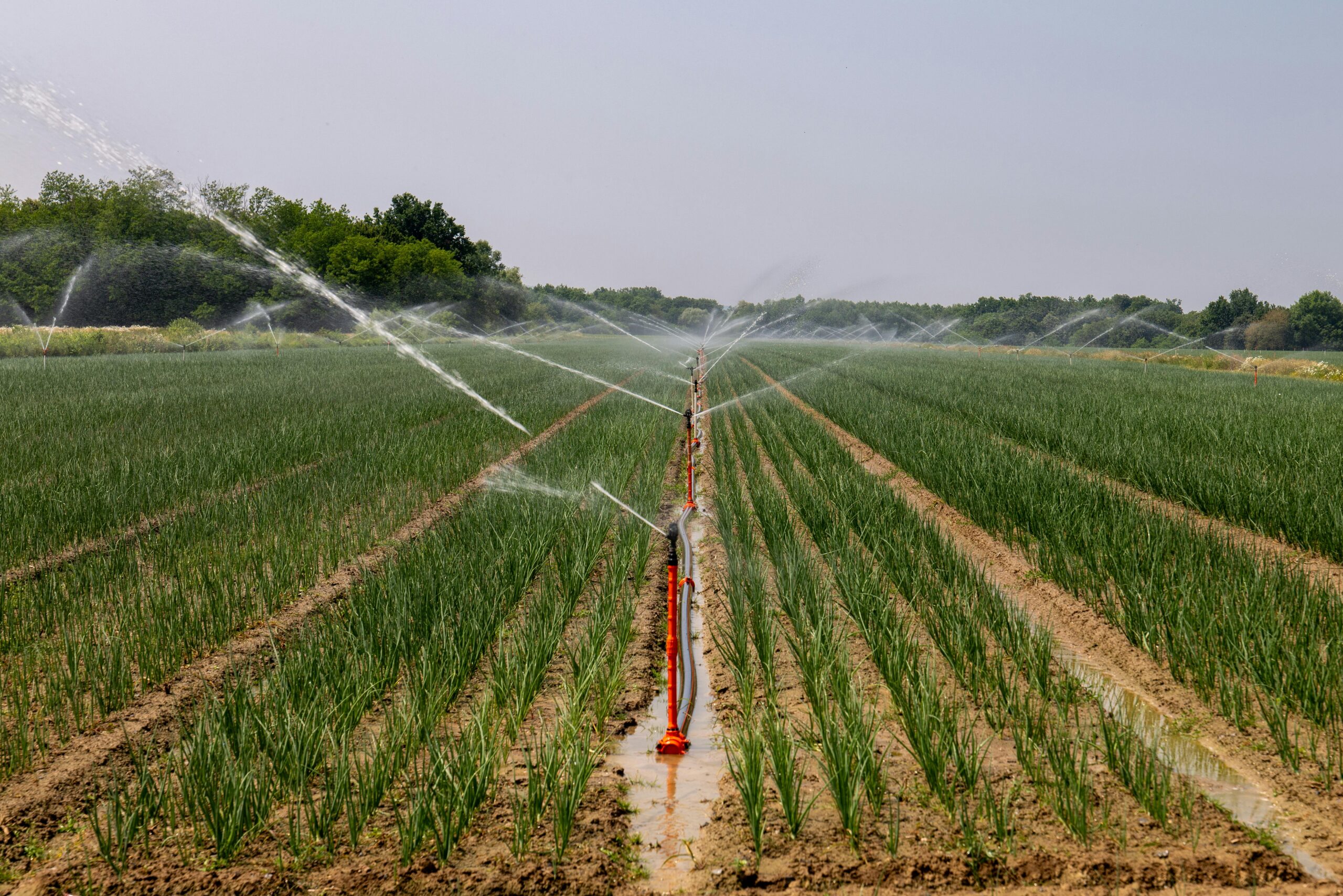
Precision irrigation systems equipped with soil moisture sensors and weather data integration deliver water with unprecedented efficiency. When combined with on-farm recycling systems that treat agricultural runoff and drainage water, farms create closed-loop water management that conserves resources while preventing nutrient pollution in rivers and lakes.
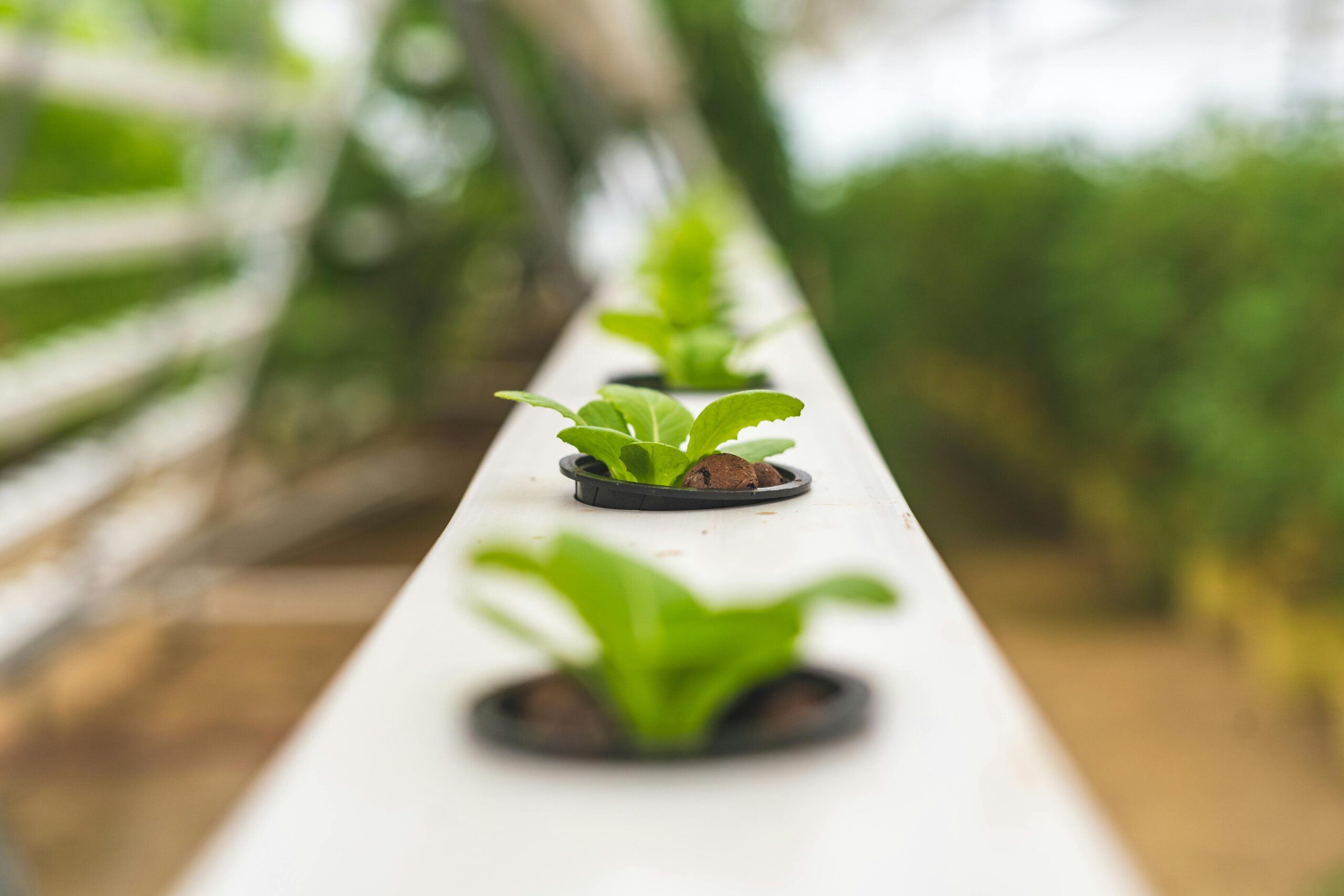
Aquaponics and hydroponics systems exemplify circular agriculture, recycling water continuously between fish production and plant cultivation. These systems use up to 90% less water than conventional farming while eliminating agricultural runoff entirely. Nutrient recovery technologies extract valuable phosphorus and nitrogen from livestock wastewater, converting waste into fertilizer products that close nutrient loops.
🏙️ Municipal Water Recycling at Scale
Cities worldwide implement large-scale water recycling projects that redefine urban water management. These initiatives demonstrate that recycled water can safely supplement or even replace traditional water sources for diverse urban applications.
Direct Potable Reuse Programs
The most advanced municipal recycling programs produce water that goes directly into drinking water distribution systems. Singapore’s NEWater program stands as a global benchmark, supplying up to 40% of the nation’s water needs through advanced purification that exceeds World Health Organization drinking water standards. Public acceptance has grown as transparent education programs demonstrate the safety and necessity of these systems.
California communities implement similar programs, responding to persistent drought conditions with multi-barrier treatment systems that include microfiltration, reverse osmosis, and advanced oxidation. These facilities produce water cleaner than many natural sources, challenging traditional perceptions about recycled water.
Non-Potable Urban Recycling Networks
Dual-pipe systems distributing recycled water for irrigation, cooling, and industrial processes gain popularity in water-stressed regions. These purple-pipe networks reduce demand on potable water supplies while providing reliable, cost-effective water for applications that don’t require drinking water quality. Urban parks, golf courses, and commercial landscapes maintain green spaces sustainably through recycled water irrigation.
District-scale recycling systems serving neighborhoods or commercial districts offer economic advantages over building-by-building approaches. Centralized treatment facilities achieve economies of scale while simplified distribution networks reduce infrastructure costs. Smart metering ensures efficient use and enables dynamic pricing that encourages conservation.
⚡ Energy-Water Nexus Innovations
The relationship between water and energy creates opportunities for integrated sustainability solutions. Water recycling facilities traditionally consume substantial energy, but innovative designs now produce net-positive energy outputs while treating water.
Anaerobic membrane bioreactors treat wastewater while capturing methane for energy generation. These systems produce biogas sufficient to power treatment operations with surplus electricity sold to the grid. Solar-powered desalination and recycling systems bring sustainable water solutions to off-grid communities and developing regions, eliminating dependence on fossil fuels.
Energy recovery devices capture pressure from reverse osmosis processes, converting hydraulic energy into electricity that powers system components. Heat recovery from wastewater provides building heating and cooling, maximizing energy efficiency across integrated building systems. These innovations transform water recycling facilities from energy consumers into contributors to renewable energy portfolios.
🔬 Emerging Technologies on the Horizon
Research laboratories and pilot projects showcase technologies that will define next-generation water recycling systems. These innovations promise even greater efficiency, lower costs, and expanded applications for recycled water.
Graphene-based filtration membranes demonstrate water permeability rates hundreds of times faster than conventional membranes while maintaining superior contaminant rejection. This breakthrough could dramatically reduce energy requirements and system footprints. Plasma-based treatment systems destroy persistent organic pollutants and pharmaceuticals that challenge conventional treatment methods, addressing emerging contaminants of concern.
Electrochemical oxidation technologies break down complex molecules without chemical additives, offering clean, efficient treatment for industrial wastewater streams. Biomimetic materials inspired by natural filtration systems in organisms show promise for creating self-cleaning membranes that resist fouling, reducing maintenance requirements and extending operational lifespans.
💼 Economic and Policy Frameworks Driving Adoption
Technological innovation alone cannot achieve widespread water recycling adoption. Supportive policies, financial incentives, and updated regulatory frameworks are equally essential for realizing recycling potential at scale.
Progressive water pricing structures that reflect true scarcity and environmental costs make recycling economically attractive. Tiered pricing encourages conservation while providing revenue for recycling infrastructure investments. Green building certification programs like LEED award credits for water recycling systems, creating market drivers for adoption in commercial construction.
Government incentive programs including grants, low-interest loans, and tax credits reduce financial barriers for recycling system implementation. Public-private partnerships leverage private sector innovation and efficiency while maintaining public oversight of water safety and access. Regulatory reforms streamline permitting processes for recycling projects while maintaining rigorous safety standards that protect public health.
🌍 Global Success Stories and Case Studies
Examining successful implementations worldwide provides valuable insights and inspiration for communities considering water recycling initiatives.
Israel recycles approximately 90% of its wastewater for agricultural irrigation, the highest rate globally. This achievement stems from decades of integrated planning, technological development, and farmer cooperation. The country’s approach demonstrates how water scarcity can drive innovation that creates competitive advantages in water technology exports.
Orange County, California operates the world’s largest indirect potable reuse system, purifying wastewater to supplement groundwater supplies. The facility treats 130 million gallons daily through a sophisticated multi-step process, providing drought-proof water supplies for 2.5 million residents. Public tours and education programs build community understanding and acceptance.
The Changi Water Reclamation Plant in Singapore combines wastewater treatment with energy generation and public recreation spaces, demonstrating how utilities can provide multiple community benefits. The facility generates renewable energy from biogas, features educational exhibits, and includes recreational areas that reimagine wastewater infrastructure as community assets rather than nuisances.
🚀 Building Your Sustainable Water Future
Water recycling implementation requires careful planning, stakeholder engagement, and phased approaches that match community needs and resources. Starting with thorough water audits identifies consumption patterns and recycling opportunities. Pilot projects demonstrate feasibility while building organizational capacity and public confidence.
Engaging diverse stakeholders including engineers, policymakers, community representatives, and end-users ensures designs meet practical needs while addressing concerns. Transparent communication about water quality, safety measures, and environmental benefits builds essential public trust. Training programs prepare operators and maintenance personnel for new technologies, ensuring long-term system success.
Monitoring and continuous improvement processes optimize performance and demonstrate value. Sharing data openly, publishing results, and participating in knowledge networks contribute to the global water recycling community while building credibility for local programs.
🌟 The Path Forward: Integration and Innovation
The future of water sustainability lies in integrated approaches that combine recycling with conservation, watershed protection, and alternative water sources. No single solution addresses all water challenges, but comprehensive strategies leveraging multiple tools create resilient water systems capable of withstanding climate variability and supporting sustainable development.
Water recycling technologies continue advancing rapidly, with each generation offering improved performance, lower costs, and expanded applications. The convergence of water treatment with digital technologies, renewable energy, and circular economy principles creates unprecedented opportunities for transformative change. Communities embracing these innovations position themselves as sustainability leaders while ensuring water security for future generations.
As water scarcity intensifies globally, the question is not whether to implement water recycling but how quickly we can scale effective solutions. The technologies exist, the economic cases are compelling, and successful examples demonstrate feasibility. What remains is building political will, mobilizing investment, and fostering cultural shifts that recognize recycled water as the valuable resource it truly represents.
Revolutionizing sustainability through cutting-edge water recycling design offers a practical pathway toward greener futures where economic prosperity and environmental stewardship advance together. Every recycled gallon represents a step toward water security, every implemented system proves the viability of sustainable practices, and every community embracing these innovations inspires others to follow. The water revolution has begun—the only question is how quickly we’ll achieve the transformation our planet urgently needs.