Anúncios
The future of business isn’t just sustainable—it’s regenerative. Discover how regenerative resource planning transforms organizational success while healing our planet. 🌍

In an era where climate change, resource depletion, and social inequality dominate headlines, businesses face unprecedented pressure to reimagine their operational models. Traditional sustainability approaches—focused primarily on “doing less harm”—are no longer sufficient. We need systems that actively restore, renew, and revitalize the ecosystems and communities they touch. This is where regenerative resource planning emerges as a transformative framework for organizations committed to long-term viability and genuine impact.
Anúncios
Regenerative resource planning represents a paradigm shift from extractive business models to restorative ones. Rather than simply minimizing negative impacts, regenerative approaches seek to create positive outcomes that strengthen the entire system. This methodology draws inspiration from natural ecosystems, where waste becomes food, diversity creates resilience, and relationships generate abundance rather than scarcity.
Understanding the Regenerative Mindset 🌱
Before diving into practical applications, we must first understand what distinguishes regenerative thinking from conventional sustainability. The difference lies not merely in degree but in fundamental philosophy. Sustainability asks, “How can we maintain what we have?” Regenerative thinking asks, “How can we create conditions conducive to life?”
Anúncios
This distinction matters profoundly. A sustainable business might reduce its carbon footprint by 30%, which certainly represents progress. A regenerative business, however, would design operations that sequester more carbon than they emit, simultaneously improving soil health, biodiversity, and community wellbeing. The former minimizes damage; the latter actively heals.
Regenerative resource planning applies this philosophy specifically to how organizations manage their inputs, processes, and outputs. It requires viewing your business as an integral part of larger living systems—ecological, social, and economic—rather than as a separate entity extracting value from those systems.
The Three Pillars of Regenerative Resource Management
Effective regenerative resource planning rests on three interconnected pillars: cyclical design, relational intelligence, and adaptive capacity. Each pillar supports the others, creating a robust framework for organizational transformation.
Cyclical design eliminates the concept of waste by ensuring that every output becomes a valuable input elsewhere in the system. This goes beyond recycling to encompass biological and technical nutrient cycles, where materials continuously circulate at their highest utility and value.
Relational intelligence recognizes that thriving ecosystems depend on healthy relationships. In business terms, this means cultivating mutually beneficial partnerships with suppliers, customers, communities, and even competitors. The focus shifts from transactional exchanges to collaborative value creation.
Adaptive capacity acknowledges that regenerative systems must evolve continuously. Rather than seeking static optimization, regenerative organizations build flexibility and learning into their core operations, enabling them to respond creatively to changing conditions.
Mapping Your Resource Flows for Regenerative Opportunity
The first practical step in regenerative resource planning involves comprehensive mapping of your organization’s material, energy, water, and information flows. This exercise typically reveals surprising insights about waste streams, inefficiencies, and untapped opportunities.
Begin by documenting every input that enters your organization and every output that leaves it. Don’t limit this to obvious physical materials. Include energy sources, water, labor, information, waste streams, emissions, and even cultural influences. The goal is creating a complete picture of your organization’s metabolism—how it takes in resources, processes them, and releases results back into the world.
Once you’ve mapped these flows, analyze them through a regenerative lens by asking: Where do our inputs come from, and what impacts does their extraction create? What happens to our outputs after they leave our control? Which waste streams could become valuable resources? What beneficial connections might we create between our outputs and others’ needs?
Identifying Regenerative Intervention Points
With your resource map complete, you can identify high-leverage intervention points where small changes could create significant regenerative impact. These typically fall into several categories:
- Material substitution: Replacing extractive inputs with renewable or regeneratively produced alternatives
- Process redesign: Reconfiguring production methods to eliminate waste and reduce energy intensity
- Output valorization: Converting waste streams into valuable products or inputs for other processes
- Supply chain collaboration: Working with partners to create closed-loop systems across organizational boundaries
- Ecosystem restoration: Actively investing in the health of natural and social systems your business depends upon
Designing Circular Material Flows ♻️
Circular economy principles form the operational backbone of regenerative resource planning. While circularity alone doesn’t guarantee regenerative outcomes, it’s an essential foundation. The key distinction is that regenerative circularity goes beyond maintaining material value to actually improving the health of systems over time.
Consider packaging, a common concern for consumer-facing businesses. A circular approach might design packaging for recyclability or reuse. A regenerative approach would ensure packaging materials actively contribute to ecosystem health—perhaps using compostable materials that enrich soil when disposed of properly, or creating take-back systems that build customer relationships while recovering resources.
Implementing circular material flows requires careful attention to both biological and technical nutrient cycles. Biological nutrients—organic materials—should be designed to safely return to soil, providing nourishment for future growth. Technical nutrients—synthetic materials—must circulate in closed loops that maintain their purity and value indefinitely.
Building Effective Reverse Logistics
Making circularity operational demands robust reverse logistics—systems for recovering products and materials after use. This represents a significant departure from traditional linear supply chains, requiring new infrastructure, partnerships, and business models.
Successful reverse logistics systems share several characteristics: clear customer communication about return processes, convenient collection points or pickup services, efficient sorting and processing facilities, and established markets or applications for recovered materials. Companies leading in this space often discover that reverse logistics create unexpected value through customer engagement, data collection, and innovation opportunities.
Regenerating Natural Capital Through Business Operations
Perhaps the most powerful aspect of regenerative resource planning is its potential to actively restore degraded ecosystems while conducting business. This isn’t about offsetting harm done elsewhere; it’s about making ecological regeneration integral to core operations.
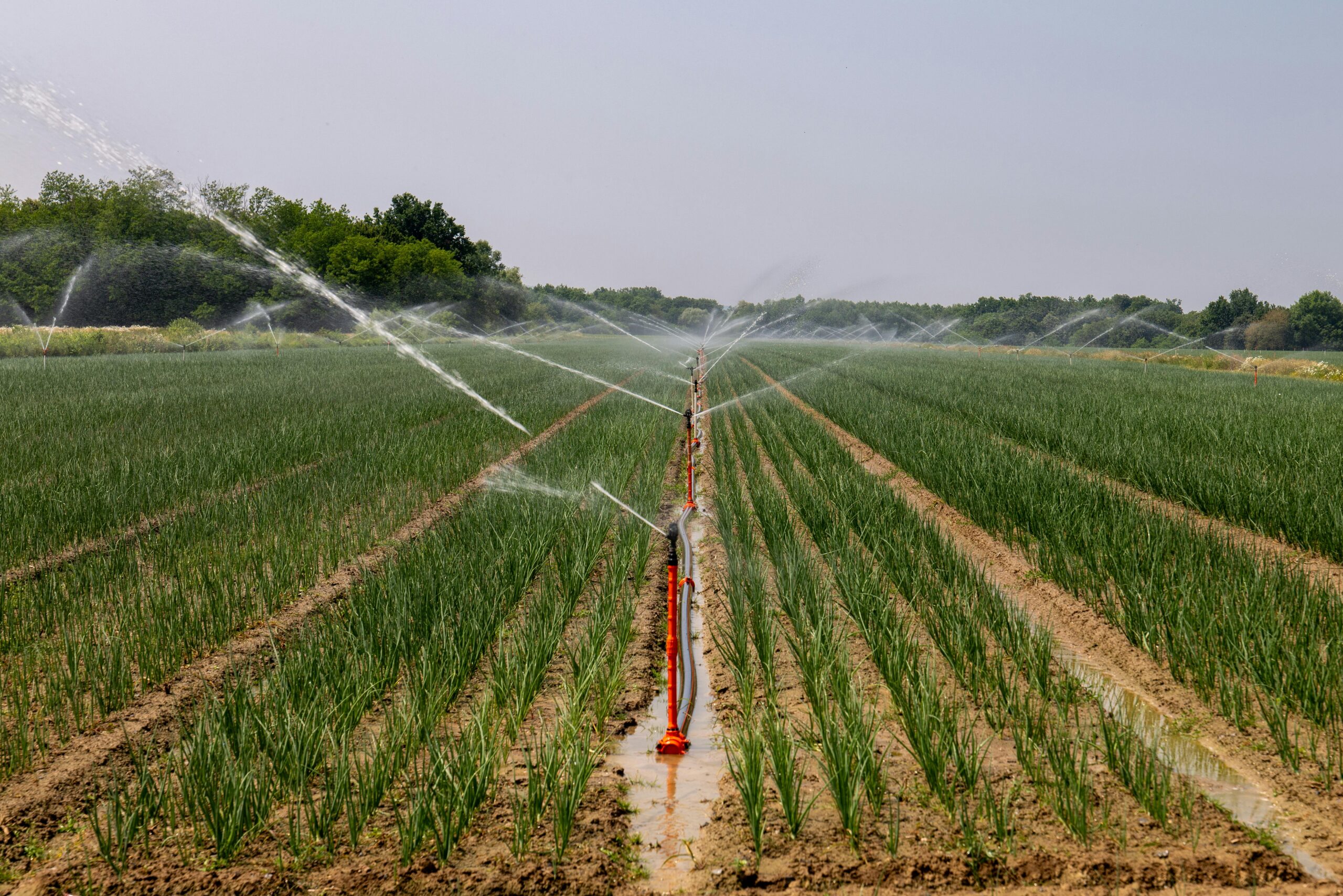
Agriculture-based businesses have particular opportunities here. Regenerative agriculture practices—including cover cropping, diverse rotations, minimal tillage, and integrated livestock management—simultaneously improve soil health, sequester carbon, enhance water retention, increase biodiversity, and often boost yields over time. Companies sourcing agricultural commodities can drive massive positive impact by preferentially partnering with regenerative producers and supporting their transition costs.
But regenerative natural capital strategies aren’t limited to agriculture. Manufacturing facilities can incorporate green infrastructure that filters stormwater while creating habitat. Office buildings can feature living walls and roofs that improve air quality and support pollinators. Distribution centers can integrate native landscapes that restore local ecosystems. The key is viewing every property and operation as an opportunity for ecological enhancement rather than merely a site to minimize environmental harm.
Social Regeneration: The Often Overlooked Dimension 🤝
Truly regenerative resource planning extends beyond environmental considerations to encompass social systems. After all, healthy communities and thriving economies depend on the wellbeing, dignity, and agency of people—particularly those historically marginalized or exploited.
Social regeneration might involve sourcing from cooperatives and social enterprises that ensure fair wages and working conditions. It could mean investing in workforce development programs that build skills and career pathways in your community. It might include designing products and services specifically to address social challenges or creating governance structures that distribute power and ownership more equitably.
The connection to resource planning becomes clear when we recognize that labor represents a critical resource—one that extractive systems deplete through exploitation, stress, and disempowerment. Regenerative approaches, conversely, develop human potential, strengthen social bonds, and build community capacity.
Measuring What Matters Beyond Profit
Implementing social regeneration requires expanding our definition of success beyond financial metrics. While profitability remains important for organizational viability, regenerative businesses track diverse indicators of health across environmental, social, and economic dimensions.
This might include metrics like soil carbon levels on supplier farms, employee wellbeing scores, community resilience indicators, biodiversity assessments, or stakeholder trust measurements. The specific metrics matter less than the commitment to holistically evaluating your organization’s impact on the vitality of interconnected systems.
Technology as an Enabler of Regenerative Systems 💻
Digital tools and data analytics increasingly enable sophisticated regenerative resource planning. Sensors, IoT devices, blockchain verification, AI-powered optimization, and advanced modeling help organizations understand complex system dynamics and make better decisions.
Supply chain transparency technologies allow companies to trace materials from origin to end-of-life, verifying regenerative practices and identifying improvement opportunities. Precision agriculture tools help farmers optimize regenerative practices for specific field conditions. Building management systems integrate renewable energy, water recycling, and climate control to minimize resource use while maximizing occupant comfort.
The key is ensuring technology serves genuinely regenerative goals rather than simply optimizing extractive systems. Technology should enhance human judgment and local knowledge, not replace them. It should strengthen relationships and build capacity, not create new dependencies or concentrations of power.
Overcoming Common Implementation Challenges
Transitioning to regenerative resource planning inevitably encounters obstacles. Understanding common challenges helps organizations prepare appropriate responses and maintain momentum through difficulties.
Short-term cost pressures: Regenerative approaches sometimes require upfront investment before delivering returns. Building internal support requires clearly articulating long-term value creation, risk mitigation benefits, and competitive advantages. Pilot projects that demonstrate quick wins can help build credibility for larger initiatives.
Complexity and uncertainty: Regenerative systems thinking involves multiple variables, feedback loops, and emergent properties that resist simple prediction. Rather than seeking certainty, successful organizations embrace experimentation, learn rapidly from failures, and build adaptive capacity into their planning processes.
Misaligned incentives: Existing regulations, market structures, and organizational reward systems often favor extractive practices. Addressing this requires advocacy for policy changes, industry collaboration to shift market norms, and internal restructuring to align incentives with regenerative goals.
Knowledge gaps: Regenerative approaches remain relatively new in many industries, with limited established best practices. Organizations must invest in learning, partner with pioneers and researchers, and participate in knowledge-sharing networks.
Creating Your Regenerative Resource Roadmap 🗺️
Moving from concept to implementation requires a clear roadmap tailored to your organization’s unique context, capabilities, and aspirations. While every roadmap differs, successful transformations typically progress through similar phases.
Assessment and visioning establishes your starting point and destination. This involves the resource mapping described earlier, stakeholder engagement to understand diverse perspectives and priorities, and articulation of your regenerative vision—what flourishing looks like for the systems you’re part of.
Strategy development translates vision into actionable plans. Identify priority intervention points, set measurable goals with appropriate timelines, design pilot projects to test approaches and build capabilities, and establish governance structures to guide implementation.
Pilot implementation turns plans into reality on a manageable scale. Launch selected pilot projects, monitor results carefully, adjust based on learnings, and communicate progress to build organizational support.
Scaling and integration expands successful approaches throughout the organization. This involves embedding regenerative principles in standard operating procedures, expanding initiatives that demonstrated value, building necessary infrastructure and partnerships, and developing staff capabilities through training and organizational development.
Continuous evolution recognizes that regenerative practice is never complete. Regularly reassess your impact, adapt to changing conditions, deepen regenerative practices over time, and contribute to broader movements advancing regenerative economics.
The Competitive Advantages of Regenerative Planning
Beyond moral imperatives, regenerative resource planning delivers tangible business benefits that strengthen competitive position. These advantages become increasingly significant as ecological and social pressures intensify.
Risk mitigation: Regenerative approaches build resilience against resource scarcity, price volatility, regulatory changes, and climate impacts. By diversifying inputs, strengthening ecosystems you depend on, and building community goodwill, you reduce vulnerability to disruption.
Innovation catalyst: Regenerative thinking forces creative problem-solving and often leads to breakthrough innovations. Many successful new products, services, and business models have emerged from regenerative redesign processes.
Talent attraction and retention: Purpose-driven work increasingly matters to employees, particularly younger generations. Organizations with authentic regenerative commitments attract passionate talent and experience higher engagement and retention.
Brand differentiation: As consumers become more aware of environmental and social impacts, regenerative practices create meaningful differentiation. This translates to customer loyalty, premium pricing potential, and expanded market access.
Stakeholder relationships: Regenerative approaches build trust and collaboration with diverse stakeholders—communities, regulators, investors, suppliers, and customers. These strengthened relationships create numerous intangible benefits that compound over time.

Your Regenerative Journey Begins Today 🚀
The transition to regenerative resource planning represents profound organizational change, but it needn’t be overwhelming. Start where you are, with whatever resources and influence you currently possess. Every step toward regenerative practice creates value and builds momentum for further transformation.
Begin by educating yourself and colleagues about regenerative principles. Map one significant resource flow in your organization. Identify one waste stream that could become a resource. Connect with one regenerative supplier or partner. Launch one pilot project, however small. Share one story about why regeneration matters to you.
These initial steps may seem modest, but they begin shifting organizational culture, building capabilities, and demonstrating possibilities. Over time, as regenerative thinking becomes embedded in how your organization perceives and acts in the world, the cumulative impact becomes transformative.
The most inspiring aspect of regenerative resource planning is its abundance mindset. Unlike sustainability frameworks focused on sacrifice and limitation, regenerative approaches reveal opportunities to create genuine prosperity—for your organization, for communities, for ecosystems, and for future generations. This isn’t naive optimism but rather clear-eyed recognition that healthy, thriving systems generate more value than extractive, depleted ones.
The future doesn’t have to be a story of managed decline and inevitable scarcity. By embracing regenerative resource planning, your organization can help write a different narrative—one where business becomes a powerful force for renewal, restoration, and genuine flourishing. The tools, knowledge, and examples exist. What’s needed now is courage, commitment, and the willingness to reimagine what success looks like.
Your regenerative future awaits. The planet needs your leadership. Your stakeholders are ready for authentic transformation. The only question remaining is: when will you begin? 🌟