Anúncios
Biochar is revolutionizing modern agriculture by offering a sustainable solution to enhance soil health, boost plant productivity, and sequester carbon in our gardens and farms. 🌱

As gardeners, farmers, and environmental enthusiasts search for innovative ways to improve soil quality while addressing climate change, biochar has emerged as a powerful amendment that transforms ordinary soil into a thriving ecosystem. This ancient practice, inspired by the fertile Amazonian terra preta soils, is now backed by modern science and accessible to anyone looking to maximize their growing potential.
Anúncios
Understanding how biochar works and implementing it correctly can dramatically change your gardening outcomes, creating healthier plants, improving water retention, and building soil fertility that lasts for generations. Whether you’re managing a small backyard garden or a larger agricultural operation, integrating biochar into your soil management strategy offers remarkable benefits that extend far beyond a single growing season.
What Exactly Is Biochar and How Does It Work? 🔬
Biochar is a carbon-rich material produced through the thermal decomposition of organic biomass in a low-oxygen environment, a process called pyrolysis. Unlike regular charcoal used for grilling, biochar is specifically designed for soil application and undergoes production at temperatures between 300-700°C, creating a highly porous structure with unique properties.
Anúncios
The magic of biochar lies in its incredibly porous structure, which provides millions of tiny spaces for beneficial microorganisms to colonize. This three-dimensional network creates a habitat that protects beneficial bacteria and fungi while simultaneously holding nutrients and water within easy reach of plant roots.
When you examine biochar under a microscope, you’ll discover a honeycomb-like structure with surface areas that can exceed 300 square meters per gram. This massive surface area acts like a sponge, absorbing and slowly releasing nutrients, water, and beneficial compounds that plants need to thrive.
The Science Behind Biochar’s Soil Enhancement Properties
Biochar’s effectiveness stems from several key mechanisms that work synergistically in the soil ecosystem. The high carbon content provides long-term stability, meaning biochar can remain active in soil for hundreds or even thousands of years, continuously improving soil structure and fertility.
The cation exchange capacity (CEC) of biochar allows it to hold positively charged nutrients like calcium, magnesium, and potassium, preventing them from leaching away with rainfall or irrigation. This nutrient-holding capability means less fertilizer waste and more efficient nutrient delivery to your plants.
Additionally, biochar’s alkaline pH helps neutralize acidic soils, creating optimal growing conditions for most crops. The porous structure also improves soil aeration, allowing oxygen to reach roots more effectively while facilitating better drainage in heavy clay soils.
Remarkable Benefits That Transform Your Growing Experience 🌿
Integrating biochar into your soil delivers a comprehensive suite of benefits that address multiple growing challenges simultaneously. These advantages become more pronounced over time as the biochar becomes “charged” with nutrients and populated by beneficial microorganisms.
Enhanced Water Retention and Drought Resistance
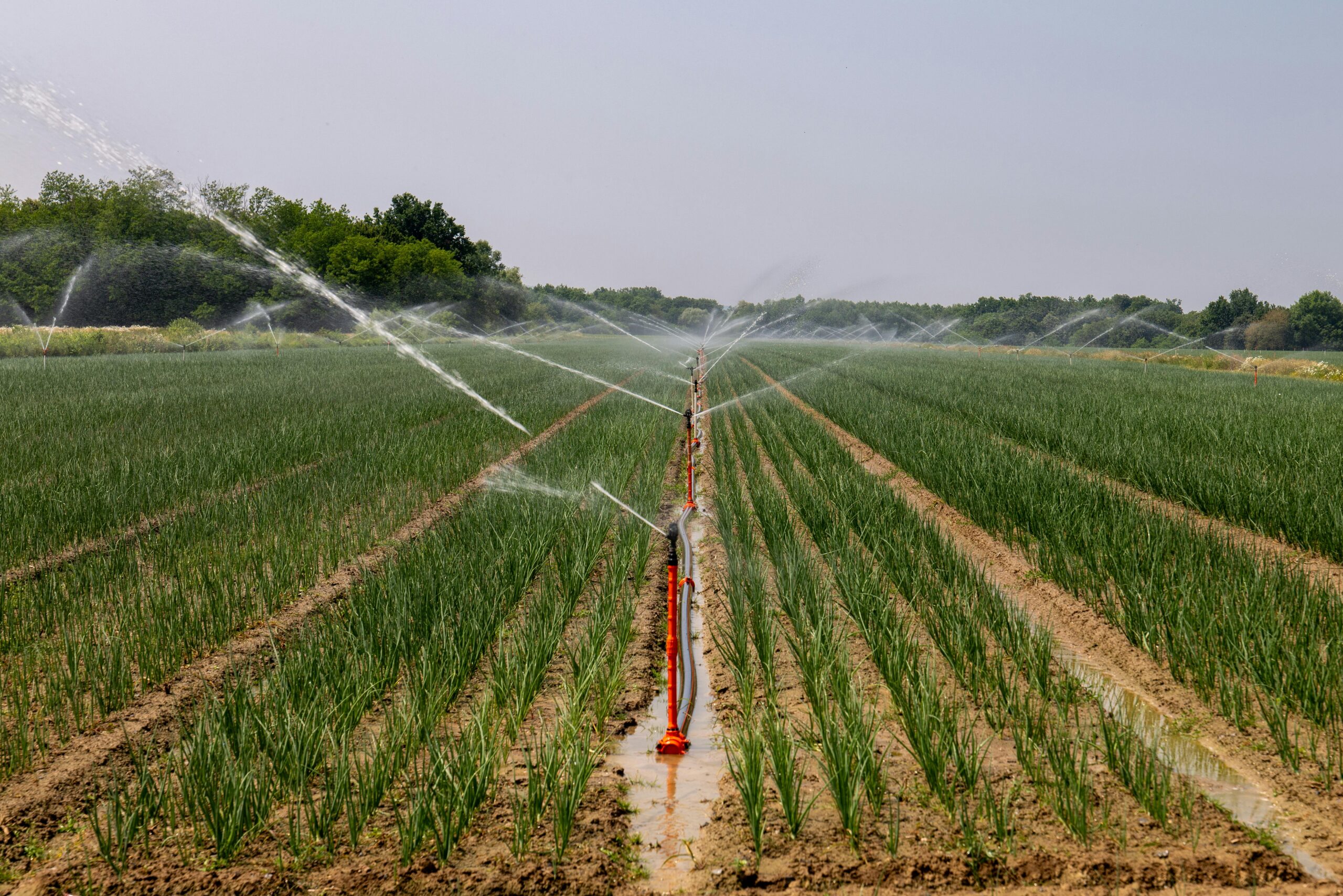
One of biochar’s most valuable properties is its ability to hold water—up to six times its own weight. In sandy soils that typically drain too quickly, biochar acts as a reservoir, capturing moisture during irrigation and releasing it gradually to plant roots. This water-holding capacity can reduce irrigation needs by 15-30%, saving water and reducing stress on plants during dry periods.
For gardeners in drought-prone regions or those practicing water conservation, biochar provides a sustainable solution that maintains consistent soil moisture without constant watering. Plants grown in biochar-amended soil develop stronger root systems and show improved resilience during heat waves and dry spells.
Nutrient Retention and Improved Fertilizer Efficiency
Biochar dramatically reduces nutrient leaching, a common problem where valuable fertilizers wash away before plants can absorb them. Studies show that biochar can reduce nitrogen leaching by up to 60%, keeping nutrients in the root zone where they’re needed most.
This nutrient-retention capability means you can reduce fertilizer applications while maintaining or even improving plant nutrition. Over time, biochar becomes charged with nutrients, creating a slow-release reservoir that feeds plants consistently throughout the growing season.
Thriving Microbial Communities and Soil Biology
The porous structure of biochar creates an ideal habitat for beneficial soil microorganisms. These microscopic allies play crucial roles in nutrient cycling, disease suppression, and plant health. Biochar-amended soils typically show 10-100 times higher microbial activity compared to unamended soils.
Beneficial fungi, including mycorrhizae, colonize biochar particles and form symbiotic relationships with plant roots, extending their reach and improving nutrient uptake. This enhanced biological activity creates a living soil ecosystem that naturally suppresses pathogens and promotes vigorous plant growth.
Strategic Integration Methods for Maximum Impact 🎯
Successfully incorporating biochar into your soil requires understanding proper application rates, timing, and techniques. The method you choose depends on your specific situation, soil type, and growing goals.
Determining the Right Application Rate
For most garden and agricultural applications, biochar should be applied at rates between 5-20% by volume when mixed into the top 6-12 inches of soil. For existing gardens, a rate of 10-15 tons per acre (or about 1-2 pounds per square foot) provides excellent results without overwhelming your budget.
New gardens and raised beds can handle higher application rates of 15-25% by volume, creating immediately improved growing conditions. Container gardens benefit from biochar ratios of 10-15% mixed with potting soil, providing enhanced drainage and nutrient retention in confined spaces.
Pre-Charging Biochar for Immediate Benefits
Raw biochar is relatively inert and can temporarily bind nutrients as it becomes charged in the soil. To prevent this initial nutrient tie-up, pre-charge your biochar before application by soaking it in nutrient-rich solutions for 1-4 weeks.
Create a charging solution using compost tea, liquid fertilizer, urine (diluted 1:10), or simply soak biochar in water with added organic matter. This pre-charging process loads the biochar’s porous structure with beneficial microorganisms and nutrients, allowing it to immediately contribute to soil fertility upon application.
Application Techniques for Different Growing Systems
For traditional in-ground gardens, spread biochar evenly across the soil surface and incorporate it to a depth of 6-12 inches using a tiller, spade, or broadfork. This thorough mixing ensures biochar is distributed throughout the root zone where it provides maximum benefit.
In no-till systems, apply biochar as a top-dressing combined with compost or mulch, allowing earthworms and natural soil processes to gradually incorporate it over time. This gentle approach maintains soil structure while still delivering biochar’s benefits.
For established perennial beds or around trees and shrubs, create a ring of biochar-enriched compost around the drip line, extending benefits without disturbing established root systems. This targeted application focuses improvements where they’re most needed.
Creating Your Own Biochar: DIY Production Methods 🔥
While commercially produced biochar offers consistency and quality assurance, making your own biochar can be a cost-effective and satisfying approach, especially if you have access to abundant biomass materials.
Selecting Appropriate Feedstock Materials
Almost any organic material can be converted to biochar, but some sources produce better results than others. Wood waste, including branches, chips, and lumber scraps, creates high-quality biochar with excellent structural properties. Hardwoods generally produce superior biochar compared to softwoods due to their denser structure.
Agricultural residues like corn stalks, rice hulls, and nut shells also make excellent biochar feedstock. Even garden waste, including pruned branches and woody stems, can be transformed into valuable biochar rather than ending up in landfills.
Avoid materials treated with chemicals, painted wood, or toxic substances, as these contaminants can persist in the biochar and harm your soil ecosystem. Stick with clean, natural organic materials for the safest and most effective results.
Simple Backyard Production Techniques
The ring-of-fire method offers a straightforward approach for small-scale biochar production. Create a pile of dry woody material, light it from the top, and allow it to burn downward. When the material has charred but before it turns to ash, quench the fire with water, producing biochar from the charred material.
Barrel retorts provide more control and efficiency for regular biochar production. A simple system uses two metal barrels—one inside the other—where biomass burns in the inner barrel while gases escape and combust in the space between barrels, reducing smoke and maximizing biochar yield.
Always prioritize safety when producing biochar, working in open areas away from structures, keeping water or sand nearby for fire control, and never leaving fires unattended. Check local regulations regarding open burning before starting any biochar production project.
Maximizing Plant Health Through Biochar Integration 💪
The true power of biochar reveals itself in the improved health and productivity of plants grown in biochar-amended soils. Understanding how to leverage these benefits helps you achieve remarkable growing results.
Improved Germination and Seedling Establishment
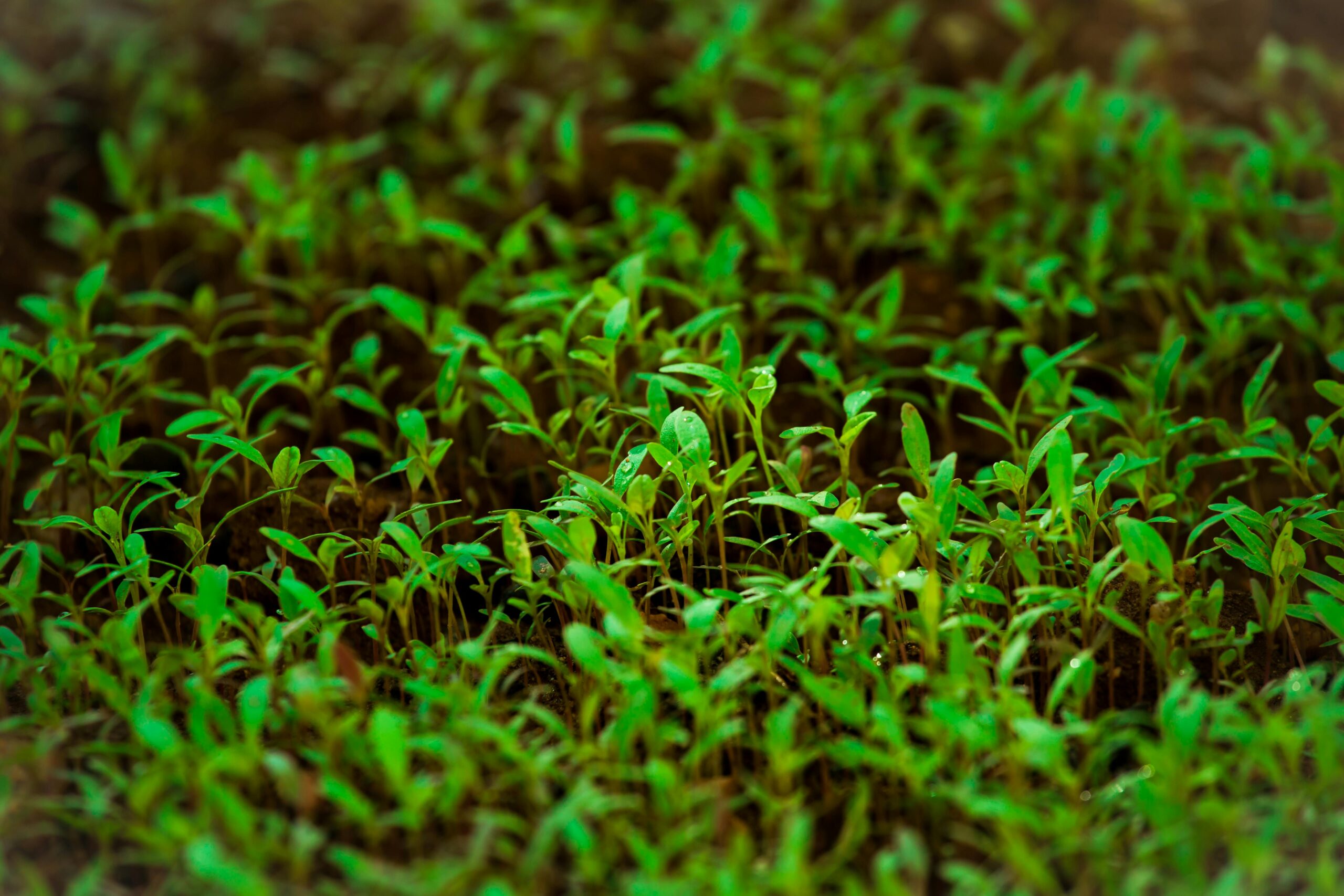
Seedlings grown in biochar-enriched seed-starting mixes show faster germination rates and develop stronger root systems compared to those in standard mixes. The improved aeration and moisture retention create ideal conditions for delicate emerging roots, reducing transplant shock and mortality.
For direct seeding in the garden, incorporating fine biochar particles into the seed row improves seed-to-soil contact and provides consistent moisture levels that promote reliable germination even in variable weather conditions.
Enhanced Nutrient Uptake and Growth Rates
Plants in biochar-amended soils consistently demonstrate improved nutrient uptake efficiency, resulting in darker green foliage, stronger stems, and accelerated growth rates. This enhanced nutrition comes from both improved nutrient retention and increased microbial activity that makes nutrients more available to plants.
Research shows that biochar integration can increase crop yields by 10-50% depending on soil type, crops grown, and application rates. These improvements become more pronounced in degraded or poor-quality soils where biochar’s ameliorative effects address multiple limiting factors simultaneously.
Natural Pest and Disease Resistance
The enhanced microbial communities fostered by biochar contribute to natural disease suppression through competitive exclusion and production of antimicrobial compounds. Plants grown in biologically active, biochar-enriched soils show reduced incidence of root diseases and improved overall resilience to environmental stresses.
Stronger, healthier plants also demonstrate better resistance to insect pests, often requiring fewer interventions with pesticides. This natural pest resistance comes from improved plant vigor and potentially from biochar’s ability to adsorb and neutralize certain plant toxins produced by pests.
Long-Term Soil Building and Carbon Sequestration 🌍
Beyond immediate growing benefits, biochar integration contributes to long-term soil improvement and climate change mitigation through stable carbon sequestration.
Building Soil Fertility for Future Generations
Unlike many soil amendments that decompose within months or years, biochar persists in soil for centuries, continuously improving soil structure and fertility. Each application represents a permanent investment in soil quality that benefits not just this season’s crops but generations of plants to come.
Over time, biochar-amended soils develop deeper topsoil layers, improved aggregation, and enhanced biological activity that creates a self-sustaining fertility cycle. This long-term perspective transforms soil management from an annual task into a legacy-building endeavor.
Contributing to Climate Solutions Through Carbon Storage
Every pound of biochar added to soil removes approximately 3 pounds of carbon dioxide from the atmospheric carbon cycle, storing it in stable form for hundreds of years. This carbon-negative process allows gardeners and farmers to actively combat climate change while improving their growing outcomes.
Large-scale biochar adoption could sequester billions of tons of carbon annually while simultaneously improving agricultural productivity and soil health. By integrating biochar into your own growing practices, you participate in a practical climate solution that delivers tangible benefits at multiple scales.
Troubleshooting Common Biochar Integration Challenges 🔧
While biochar offers tremendous benefits, understanding potential challenges helps you avoid common pitfalls and maximize your success.
Addressing Initial Nutrient Tie-Up
Uncharged biochar can temporarily immobilize nitrogen and other nutrients as microorganisms colonize its surface. Prevent this issue by pre-charging biochar before application or applying it with extra compost or fertilizer to offset any temporary nutrient binding.
If you’ve already applied uncharged biochar and notice nutrient deficiency symptoms, side-dress with nitrogen-rich amendments like blood meal or apply liquid fertilizers to address immediate plant needs while the biochar becomes charged.
Managing Application Costs and Sourcing
High-quality biochar can be expensive, especially when treating large areas. Reduce costs by producing your own biochar from available biomass, purchasing in bulk, or focusing applications on high-value areas like vegetable gardens and raised beds rather than treating entire properties initially.
Look for local biochar producers or regional suppliers to minimize transportation costs. Some communities have biochar-making workshops or groups that share equipment and knowledge, making production more accessible and affordable.
Balancing Biochar with Other Soil Amendments
Biochar works best as part of a comprehensive soil management strategy, not as a standalone solution. Continue adding compost, mulches, and other organic matter to provide the nutrients and organic compounds that biochar helps retain and distribute.
Think of biochar as the infrastructure that supports soil biology, while compost and other amendments provide the fuel that keeps the biological engine running. This synergistic approach delivers results superior to any single amendment alone.
Transforming Your Growing Future with Biochar 🚀
Integrating biochar into your soil management represents a paradigm shift in how you approach growing healthy, productive plants. This ancient technique, validated by modern science, offers a pathway to building living soils that support abundant growth while contributing to environmental healing.
The journey to biochar integration begins with a single application, whether in a small container garden or across broader growing areas. Start modestly, observe the results, and expand your use as you gain confidence and experience with this remarkable material.
As you witness improved plant health, reduced water requirements, and enhanced soil quality, you’ll understand why biochar is increasingly recognized as an essential tool for sustainable growing. The investment you make today in biochar integration creates lasting improvements that compound over time, building soil wealth that supports abundant harvests for years to come.
Whether you’re motivated by improved growing outcomes, environmental stewardship, or the satisfaction of working with nature’s processes, biochar offers a powerful means to transform your soil and unlock the full potential of your plants. The time to begin integrating biochar into your growing practice is now—your soil, your plants, and the planet will thank you for generations to come.