Anúncios
Transforming your garden into a lush, thriving paradise begins with understanding one crucial element: soil moisture. Mastering this fundamental aspect can mean the difference between struggling plants and a flourishing garden oasis.

🌱 Why Soil Moisture Makes or Breaks Your Garden Success
Water is the lifeblood of every plant, but delivering it in the right amounts at the right time requires more than just regular watering schedules. Soil moisture optimization is a science that combines understanding your plants’ needs, soil characteristics, environmental conditions, and proper monitoring techniques. When you get this balance right, your plants reward you with vibrant foliage, abundant blooms, and impressive yields.
Anúncios
Many gardeners struggle with either overwatering or underwatering their plants, both of which can cause serious damage. Overwatering leads to root rot, fungal diseases, and oxygen deprivation, while underwatering causes wilting, stunted growth, and eventually plant death. The secret lies in maintaining optimal moisture levels that keep your soil consistently moist but never waterlogged.
Understanding Your Soil’s Water-Holding Capacity
Different soil types retain water differently, and knowing your soil composition is the first step toward moisture optimization. Clay soils hold water for extended periods but drain slowly, while sandy soils drain quickly but struggle to retain moisture. Loamy soils offer the best balance, combining good drainage with adequate water retention.
Anúncios
To determine your soil type, perform a simple squeeze test. Take a handful of moist soil and squeeze it firmly. Clay soil forms a tight ball that holds its shape, sandy soil falls apart immediately, and loamy soil holds together loosely but crumbles with gentle pressure. This knowledge helps you adjust your watering strategies accordingly.
Improving Soil Structure for Better Moisture Retention
Regardless of your starting soil type, you can improve its moisture-holding capacity through amendments. Organic matter is your best ally in this endeavor. Compost, aged manure, leaf mold, and other organic materials enhance soil structure, creating spaces that hold both water and air—exactly what plant roots need to thrive.
For sandy soils, incorporate plenty of organic matter to increase water retention. Mix in 3-4 inches of compost into the top 6-8 inches of soil. For clay soils, organic matter improves drainage while maintaining moisture, preventing that waterlogged condition that suffocates roots. Adding perlite or vermiculite can also enhance drainage in heavy clay soils.
💧 The Art of Smart Watering Techniques
How you water matters just as much as how often you water. Deep, infrequent watering encourages plants to develop extensive root systems that can access moisture from deeper soil layers. This creates more resilient plants that can better withstand drought conditions. Shallow, frequent watering, conversely, keeps roots near the surface where they’re vulnerable to heat and dry conditions.
Water early in the morning whenever possible. This timing allows foliage to dry quickly, reducing disease risk, while giving plants adequate moisture to withstand the day’s heat. Evening watering can work too, but it increases humidity around plants overnight, potentially encouraging fungal problems. Avoid midday watering when evaporation rates peak and water droplets can act as magnifying glasses, potentially burning leaves.
Irrigation Methods That Maximize Efficiency
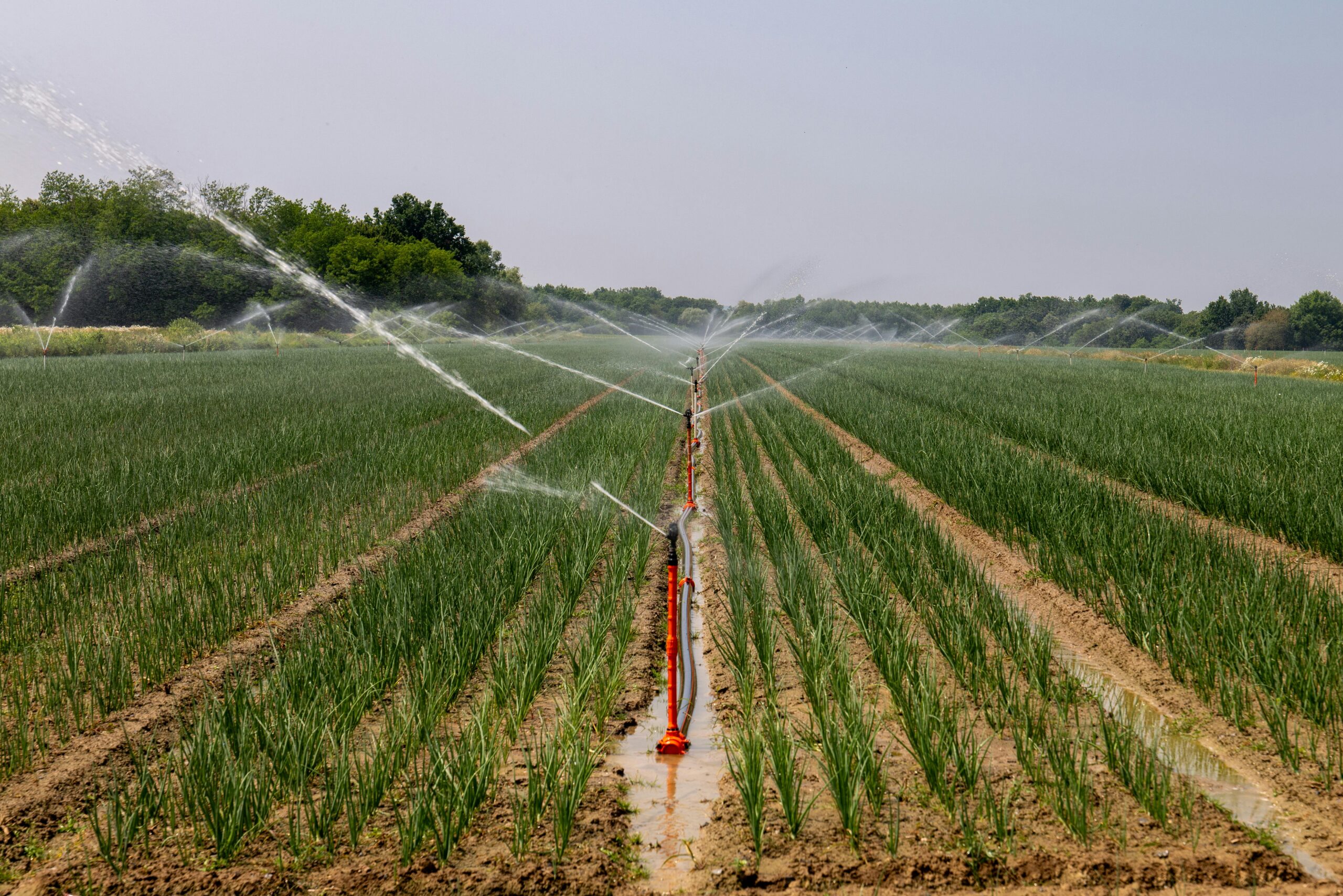
Drip irrigation systems deliver water directly to the root zone, minimizing waste through evaporation and runoff. These systems can reduce water usage by 30-50% compared to traditional sprinklers while keeping foliage dry and reducing disease pressure. Soaker hoses offer a simpler, less expensive alternative that works similarly well for garden beds and borders.
If using sprinklers, choose those that deliver large droplets close to the ground rather than fine mists that evaporate before reaching soil. Oscillating sprinklers work well for lawns, while adjustable spray heads suit smaller garden areas. Always water until moisture penetrates 6-8 inches deep for most plants, or deeper for trees and shrubs with extensive root systems.
Monitoring Soil Moisture Like a Professional
Regular monitoring prevents both overwatering and underwatering problems. The finger test remains the simplest method: insert your finger 2-3 inches into the soil. If it feels dry at that depth, it’s time to water. If it feels moist, wait another day or two before checking again. This hands-on approach helps you develop an intuitive understanding of your garden’s needs.
Soil moisture meters provide more precise readings, especially helpful for container plants and gardens with varying soil types. These affordable devices feature probes that measure moisture levels at different depths, taking the guesswork out of watering decisions. Some advanced models also measure pH and light levels, offering comprehensive growing condition insights.
📱 Digital Tools for Modern Gardeners
Technology has revolutionized garden management, and several smartphone applications now help gardeners track soil moisture and optimize watering schedules. These apps often combine weather data, plant databases, and reminders to create customized care plans for your specific garden conditions.
Smart sensors connected to mobile applications provide real-time soil moisture data, sending alerts when plants need watering. These systems can even integrate with automatic irrigation controllers, creating a fully automated watering system that adjusts based on actual soil conditions rather than preset schedules.
🌿 Mulching: Your Secret Weapon for Moisture Retention
Mulch is perhaps the most effective tool for maintaining consistent soil moisture while reducing maintenance requirements. A 2-4 inch layer of organic mulch moderates soil temperature, suppresses weeds that compete for water, prevents evaporation, and gradually decomposes to improve soil structure.
Organic mulches include wood chips, shredded bark, straw, pine needles, and compost. Each offers different benefits and aesthetics. Wood chips last longer but decompose slowly, while compost breaks down quickly, feeding soil continuously. Pine needles work wonderfully for acid-loving plants like blueberries and azaleas, gradually lowering soil pH as they decompose.
Proper Mulching Techniques for Maximum Benefits
Apply mulch after soil has warmed in spring but before summer heat arrives. Pull mulch 2-3 inches away from plant stems and tree trunks to prevent rot and pest problems. Replenish mulch annually or as needed to maintain the recommended depth. In vegetable gardens, wait until soil warms before mulching, as early mulch can keep soil too cool for heat-loving crops like tomatoes and peppers.
Living mulches, such as low-growing ground covers, also conserve moisture while adding beauty to your landscape. Creeping thyme, sedum, and clover create living carpets that shade soil, reducing evaporation while providing additional benefits like nitrogen fixation or pollinator habitat.
Plant Selection and Placement Strategies
Choosing plants suited to your climate and soil conditions dramatically reduces maintenance while increasing success rates. Native plants have evolved to thrive in local moisture conditions, often requiring minimal supplemental watering once established. Drought-tolerant species like lavender, Russian sage, and ornamental grasses excel in drier areas or during water restrictions.
Group plants with similar water needs together, a principle called hydrozoning. This strategy allows you to tailor watering to specific garden areas rather than treating everything uniformly. Place thirsty plants like hydrangeas near water sources, while drought-tolerant specimens thrive in drier zones requiring less attention.
Container Garden Moisture Management
Container plants present unique moisture challenges, as pots dry out much faster than garden beds. Choose containers with adequate drainage holes, and use quality potting mix formulated for container use. Garden soil compacts in pots, creating drainage problems and root suffocation.
Water-retaining crystals or gels mixed into potting soil help maintain moisture between waterings, especially beneficial during hot weather or if you travel frequently. Self-watering containers with built-in reservoirs provide consistent moisture while reducing watering frequency, perfect for busy gardeners or moisture-loving plants like ferns and impatiens.
🌤️ Seasonal Adjustments for Year-Round Success
Moisture needs change dramatically with seasons, and successful gardeners adapt their strategies accordingly. Spring typically brings adequate rainfall in many regions, potentially requiring little supplemental watering. However, don’t assume spring rains provide sufficient moisture—check soil regularly, especially during dry spells.
Summer demands the most vigilant moisture management. Heat and sun exposure accelerate evaporation, while plants actively growing and flowering consume water rapidly. During extreme heat, even drought-tolerant plants may need supplemental watering. Consider providing temporary shade cloth protection during heat waves to reduce moisture stress.
Fall and Winter Moisture Considerations
Many gardeners mistakenly stop watering in fall, but plants continue needing moisture even as growth slows. Fall watering is especially critical for evergreens and newly planted specimens that need adequate moisture reserves before ground freezes. Deep watering before winter helps prevent desiccation damage from cold, drying winds.
Winter watering becomes necessary during extended dry periods, particularly for evergreens that lose moisture through their needles year-round. Water on mild days when soil isn’t frozen, focusing on plants in protected locations that receive less natural precipitation.
Recognizing and Addressing Moisture-Related Problems
Learning to read plant signals helps you catch moisture problems before they become critical. Wilting is the most obvious sign of water stress, but by the time wilting occurs, plants have already suffered. Watch for more subtle indicators like slightly drooping leaves, dull or grayish foliage color, or slowed growth rates.
Yellowing leaves can indicate both overwatering and underwatering, making diagnosis tricky. Check soil moisture to determine which problem you’re facing. Overwatered plants often develop yellow leaves that feel soft and mushy, while underwatered plants show yellowing with dry, crispy edges. Root inspection reveals the truth—healthy roots are white or light-colored, while rotted roots appear brown, black, or slimy.
🎯 Advanced Optimization Techniques for Experienced Gardeners
Experienced gardeners can implement sophisticated strategies for ultimate moisture optimization. Rainwater harvesting systems collect free, chlorine-free water perfect for plants while reducing municipal water consumption. Rain barrels offer simple entry points, while larger cistern systems provide substantial water reserves for extensive gardens.
Installing gray water systems allows reuse of household water from showers, sinks, and washing machines for landscape irrigation. These systems require proper setup to ensure safety and compliance with local regulations, but they can dramatically reduce outdoor water usage. Use only plant-safe, biodegradable products if implementing gray water irrigation.
Creating Microclimates for Diverse Plant Collections
Strategic landscape design creates microclimates with varying moisture levels, allowing you to grow diverse plant collections within one garden. Shaded areas beneath trees retain moisture longer, perfect for woodland plants and ferns. South-facing slopes dry quickly, ideal for Mediterranean herbs and succulents. Low-lying areas naturally collect more moisture, suiting bog-loving plants.
Windbreaks reduce evaporation rates while protecting plants from desiccating winds. Hedges, fences, or strategically placed structures create sheltered zones where moisture levels remain more consistent. These protected areas often allow growing plants that would struggle in more exposed locations.
Sustainability and Water Conservation Practices
Responsible gardening includes water conservation, increasingly important as climate change brings more frequent droughts to many regions. Beyond the techniques already mentioned, consider removing or reducing lawn areas, which consume disproportionate water compared to other landscaping options. Replace turf with drought-tolerant ground covers, perennial beds, or permeable hardscaping.
Soil improvement remains the foundation of water conservation. Healthy soil rich in organic matter acts like a sponge, capturing and holding rainfall that would otherwise run off hard, compacted ground. Each 1% increase in soil organic matter helps soil hold approximately 20,000 additional gallons of water per acre.
🌻 Building Long-Term Soil Health for Effortless Moisture Management
The ultimate goal is creating self-sustaining gardens that require minimal intervention. This happens when you build truly healthy soil teeming with beneficial microorganisms, earthworms, and organic matter. These living soils naturally regulate moisture, structure, and nutrients, creating ideal conditions for plant growth.
Avoid tilling when possible, as it disrupts soil structure and organisms while accelerating organic matter decomposition. No-till gardening combined with heavy mulching builds soil health over time, creating increasingly drought-resistant gardens. Sheet mulching with cardboard or newspaper layers topped with compost and wood chips suppresses weeds while feeding soil organisms that improve structure and water retention.
Compost tea applications introduce beneficial microorganisms that enhance nutrient cycling and disease resistance while improving soil structure. These liquid fertilizers are easy to make and apply, providing both immediate nutrients and long-term soil health benefits. Regular applications throughout the growing season support thriving plant communities that resist moisture stress.
Your Journey to Garden Mastery Through Moisture Optimization
Mastering soil moisture optimization transforms your relationship with gardening, turning constant worry into confident management. By understanding your soil, implementing smart watering practices, leveraging tools and technology, and building long-term soil health, you create gardens that thrive with less effort and fewer resources. The journey requires patience and observation, but the rewards—lush, healthy plants that flourish year after year—make every bit of effort worthwhile.
Start with small changes, perhaps adding mulch to one bed or installing a rain barrel. Observe results, adjust strategies, and gradually implement additional techniques as you gain confidence. Remember that every garden is unique, and what works perfectly for your neighbor might need modification for your specific conditions. Keep learning, stay curious, and enjoy watching your garden transform into the lush paradise you’ve always envisioned. Your plants will thank you with vibrant growth, abundant blooms, and the kind of healthy resilience that makes gardening truly rewarding. 🌺