Anúncios
Transform your garden into a thriving ecosystem with regenerative mulching systems that nurture soil, conserve water, and deliver incredible harvests year after year.

Modern gardening faces unprecedented challenges: depleted soils, water scarcity, climate unpredictability, and the rising cost of chemical fertilizers. Yet nature has always held the blueprint for sustainable abundance. Regenerative mulching systems represent a return to these time-tested principles while incorporating contemporary understanding of soil biology and ecosystem dynamics.
Anúncios
If you’ve watched your garden struggle despite your best efforts, or if you’re spending excessive time and money on inputs that deliver diminishing returns, regenerative mulching might be the missing piece in your horticultural puzzle. This approach doesn’t just maintain your soil—it actively improves it with each passing season, creating a self-reinforcing cycle of fertility and productivity.
🌱 Understanding Regenerative Mulching: Beyond Traditional Ground Cover
Regenerative mulching differs fundamentally from conventional mulching practices. While traditional mulching simply covers soil to suppress weeds and retain moisture, regenerative systems actively build soil structure, feed beneficial microorganisms, and create conditions for continuous nutrient cycling.
Anúncios
At its core, regenerative mulching mimics natural forest floors where layers of organic matter continuously decompose, feeding the soil food web and creating the rich, dark humus that gardeners dream about. This living mulch layer becomes a dynamic interface between atmosphere and soil, moderating temperature extremes, managing water infiltration, and hosting countless beneficial organisms.
The regenerative approach recognizes that healthy soil isn’t just a growing medium—it’s a complex ecosystem. Every handful of thriving garden soil contains more microorganisms than there are people on Earth. These microscopic workers break down organic matter, fix atmospheric nitrogen, suppress pathogens, and make nutrients available to plant roots in the precise forms they need.
The Four Pillars of Regenerative Mulch Systems
Successful regenerative mulching rests on four interconnected principles that work synergistically to enhance soil health:
- Continuous soil coverage: Never leaving soil bare to erosion, temperature extremes, or UV radiation that kills beneficial microbes
- Diversity of materials: Using varied organic materials that decompose at different rates and feed different soil organisms
- Strategic layering: Applying mulch in ways that optimize water infiltration, air exchange, and decomposition rates
- Integration with living plants: Combining mulch with cover crops, companion plants, and perennials that contribute to the system
🍂 Selecting the Right Mulch Materials for Maximum Regeneration
Not all mulch materials contribute equally to soil regeneration. The best regenerative systems incorporate multiple materials that complement each other’s strengths and compensate for individual weaknesses.
Carbon-rich “brown” materials like wood chips, straw, and dried leaves provide long-term soil structure and feed fungal networks essential for perennial plant health. These materials break down slowly, creating stable humus that improves water retention and provides sustained habitat for beneficial organisms.
Nitrogen-rich “green” materials such as grass clippings, comfrey leaves, and legume residues accelerate decomposition and provide readily available nutrients. They feed bacterial populations that excel at nutrient cycling and disease suppression around annual vegetables.
The magic happens when you combine these materials strategically. A base layer of wood chips provides long-term structure, topped with nitrogen-rich materials that decompose quickly and feed the soil food web. This combination creates conditions for both fungal and bacterial communities to thrive, supporting diverse plant needs.
Sourcing Sustainable Mulch Materials
The most sustainable regenerative systems prioritize locally available, free or low-cost materials that would otherwise become waste. Tree service companies often provide free wood chips from their operations. Fallen leaves from your neighborhood represent captured solar energy and nutrients ready to return to the soil cycle.
Agricultural byproducts like straw, hay, and crop residues offer excellent mulching materials. Even cardboard and newspaper, when used appropriately, provide weed suppression while breaking down into soil-building materials. The key is ensuring materials are free from pesticides, herbicides, and other contaminants that could disrupt soil biology.
| Material Type | Carbon:Nitrogen Ratio | Decomposition Rate | Best Use |
|---|---|---|---|
| Wood Chips | 400:1 | Slow (1-3 years) | Paths, perennial beds, orchard understory |
| Straw | 80:1 | Medium (6-12 months) | Annual vegetable gardens, seasonal protection |
| Grass Clippings | 20:1 | Fast (2-4 weeks) | Top dressing, nitrogen boost, compost activation |
| Shredded Leaves | 60:1 | Medium (4-8 months) | General mulching, soil building, bed preparation |
| Comfrey/Green Manure | 10:1 | Very Fast (1-2 weeks) | Nutrient delivery, activating decomposition |
🔄 Implementing Your Regenerative Mulching System Step-by-Step
Transitioning to regenerative mulching doesn’t require tearing out your existing garden. You can implement these systems gradually, starting with one bed or area and expanding as you see results and gain confidence.
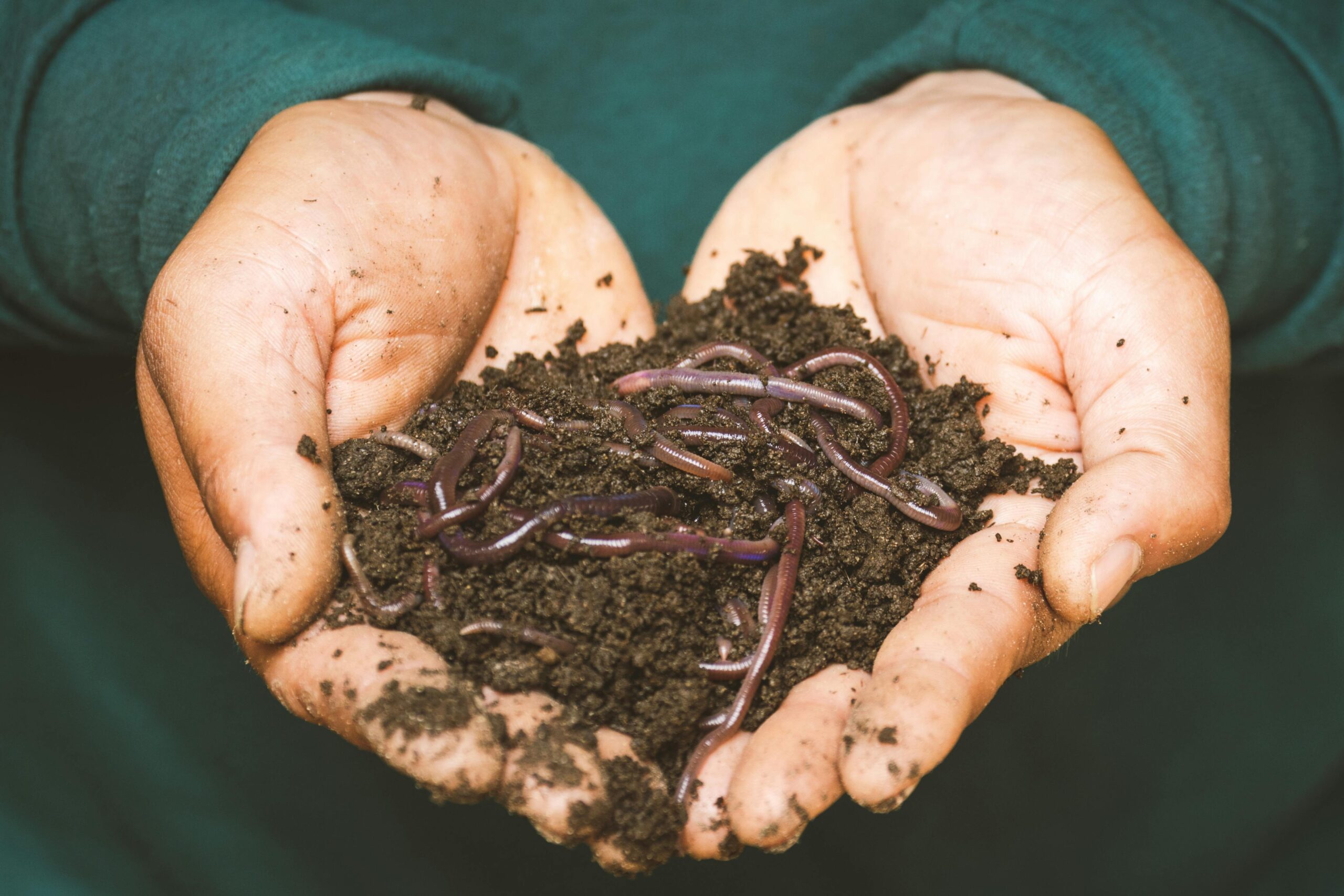
Begin by assessing your current soil condition. Healthy soil should have a pleasant earthy smell, crumble easily in your hand, and show evidence of earthworm activity. If your soil is compacted, depleted, or struggling, don’t worry—regenerative mulching excels at rehabilitation.
The Initial Application Process
Start by removing any existing weeds, but leave the roots in place if possible—they’ll decompose and add organic matter. If dealing with persistent perennial weeds, consider an initial cardboard layer to suppress them while still allowing water and air penetration.
Apply your base mulch layer directly to the soil surface. For wood chips in perennial areas, aim for 3-4 inches depth. For annual vegetable gardens using straw or leaves, 2-3 inches works well. Leave a few inches of space around plant stems to prevent moisture-related issues.
Top the base layer with nitrogen-rich materials if available. A light sprinkling of grass clippings or chopped comfrey leaves will activate decomposition and provide initial nutrient release. This layering mimics natural nutrient cycling and prevents nitrogen tie-up that sometimes occurs with high-carbon mulches.
Seasonal Maintenance and Replenishment
Regenerative mulching systems require ongoing attention, but the maintenance becomes progressively easier as soil health improves. Every few months, assess your mulch depth and add fresh material as needed. The goal is maintaining consistent coverage while allowing lower layers to decompose and integrate into the soil.
Spring represents an ideal time to pull back mulch slightly, allowing soil to warm before planting heat-loving crops. Replace and supplement mulch as plants establish. Summer applications help conserve moisture during peak heat, while fall mulching protects soil biology through winter and provides early spring nutrients as decomposition accelerates.
As your system matures, you’ll notice the soil level actually rising—a sign that organic matter is accumulating faster than it’s decomposing. This is exactly what you want, indicating successful soil building and carbon sequestration.
💧 Water Management Through Regenerative Mulching
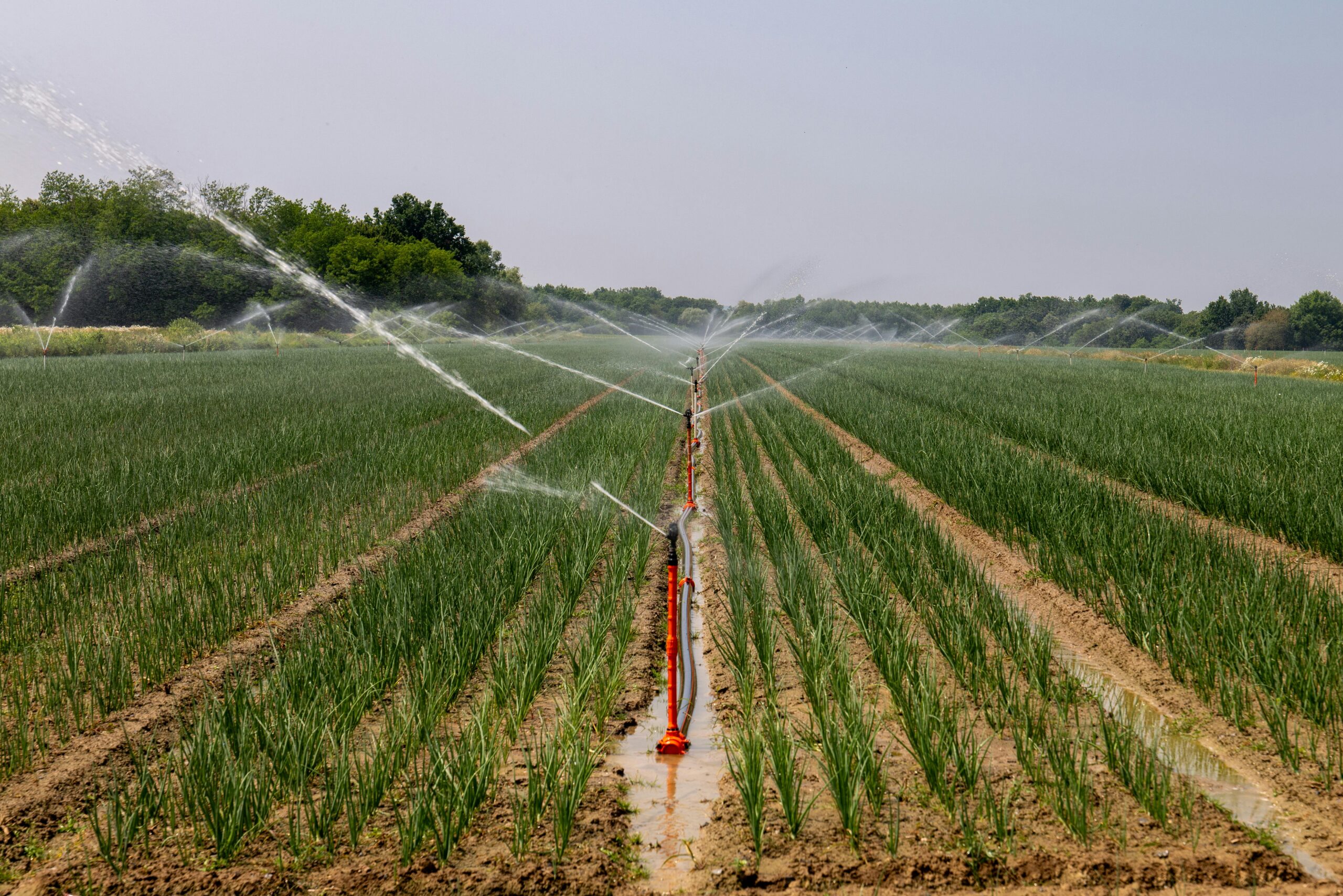
Water scarcity represents one of modern gardening’s most pressing challenges. Regenerative mulching systems address this through multiple mechanisms that work together to dramatically reduce irrigation needs while improving plant resilience.
Thick mulch layers reduce evaporation by up to 70%, keeping moisture available to plant roots rather than lost to the atmosphere. This effect is particularly pronounced in hot, dry climates where every drop of water counts. Gardeners using regenerative mulching consistently report cutting their water use by half or more compared to bare or lightly mulched soil.
Beyond simply preventing water loss, regenerative mulching improves soil structure in ways that enhance water retention. As organic matter decomposes and integrates into soil, it creates aggregates—small clumps of soil particles bound together by microbial secretions and fungal threads. These aggregates create pore spaces that hold both water and air, the perfect combination for plant roots.
Managing Heavy Rains and Preventing Erosion
While drought represents a major concern, intense rainfall events can also damage gardens through erosion, nutrient leaching, and soil compaction. Regenerative mulch systems excel at managing these extremes too.
Mulch acts as a buffer that absorbs rainfall impact, preventing the soil surface from sealing and crusting. This keeps pores open so water infiltrates rather than running off. The organic matter acts like a sponge, absorbing excess water during heavy events and releasing it gradually as conditions dry.
On slopes or areas prone to erosion, regenerative mulching becomes especially critical. The physical barrier prevents soil particles from washing away while plant roots and fungal networks knit the soil together. Many gardeners successfully grow productive gardens on slopes that would otherwise erode severely using these protective systems.
🦠 Cultivating the Soil Food Web Through Strategic Mulching
The true power of regenerative mulching lies in its ability to support and enhance the soil food web—the complex network of organisms that drive nutrient cycling, disease suppression, and plant health.
Bacteria and fungi form the foundation of this web, decomposing organic matter and making nutrients plant-available. Protozoa and nematodes feed on these microorganisms, releasing nutrients in forms plants can immediately use. Arthropods shred organic matter, increasing surface area for microbial action. Earthworms tunnel through the soil, creating channels for root growth and water infiltration while coating soil particles with nutrient-rich castings.
Each organism plays specific roles, and diversity matters enormously. A soil with hundreds of species functions far more effectively than one dominated by a few. Regenerative mulching creates the conditions for this diversity to flourish: consistent moisture, moderated temperatures, diverse food sources, and protection from disturbance.
Feeding Beneficial Fungi and Mycorrhizal Networks
Fungi deserve special attention in regenerative systems because they’re often depleted in disturbed soils but provide enormous benefits when present. Mycorrhizal fungi form symbiotic relationships with plant roots, extending their reach and dramatically improving nutrient and water uptake.
Wood chip mulches particularly support fungal growth because fungi excel at decomposing complex carbon compounds like lignin and cellulose. As fungal networks develop, they create stable soil aggregates, improve disease resistance, and even facilitate communication between plants through underground networks.
You’ll know fungal populations are thriving when you see white threadlike mycelium throughout your mulch and soil. This isn’t mold or a problem—it’s exactly what you want, indicating a healthy, balanced soil ecosystem developing.
🌾 Integrating Plants Into Your Mulching System
The most advanced regenerative systems don’t rely solely on applied mulch—they incorporate living plants that contribute to the mulch layer while growing. This “living mulch” approach takes biomimicry to the next level, creating truly self-sustaining systems.
Cover crops planted in off-seasons or between rows protect soil while actively growing, then become mulch when cut or naturally die back. Clover, vetch, and other nitrogen-fixing legumes add this critical nutrient while providing mulch biomass. Winter rye and other grains create massive root systems that feed soil biology and improve structure.
Dynamic accumulator plants like comfrey mine nutrients from deep in the soil profile and concentrate them in leaves that make outstanding mulch material. Planted strategically around the garden, these plants provide continuous mulch production while their deep roots break up compaction and create channels for water infiltration.
Perennial Understory and Guild Systems
Permanent plantings of perennials, shrubs, and trees benefit tremendously from regenerative mulching while contributing to the system themselves. In food forests and permaculture gardens, guilds of complementary plants create layered systems where each component supports the others.
Nitrogen-fixing shrubs provide nutrients to neighboring fruit trees. Shade-tolerant groundcovers form living mulch layers that protect soil and outcompete weeds. Herbaceous perennials die back seasonally, contributing organic matter. The result is a self-mulching, self-fertilizing system that requires minimal outside inputs once established.
📈 Measuring and Maximizing Your Results
While the benefits of regenerative mulching become visually apparent relatively quickly, tracking specific metrics helps optimize your system and demonstrates progress over time.
Soil organic matter percentage represents perhaps the most important metric. Home testing kits or laboratory analysis can measure this. Aim for annual increases of 0.5-1% until reaching optimal levels of 5-8% for most soils. This represents real carbon sequestration—you’re literally pulling CO2 from the atmosphere and storing it as stable soil organic matter.
Earthworm populations provide an easy visual indicator of soil health. Count the earthworms in a cubic foot of soil in early morning when they’re most active. Healthy soil should contain at least 10 earthworms per cubic foot, with numbers increasing year over year in regenerative systems.
Water infiltration rates tell you how well your soil structure is developing. Time how long it takes for a gallon of water to infiltrate in several locations. Healthy soil should absorb water in minutes rather than hours, with rates improving as organic matter increases and structure develops.
Harvest Quality and Quantity Improvements
Ultimately, garden productivity proves the value of regenerative mulching systems. Most practitioners report significant harvest increases within the first year, with continued improvements in subsequent seasons as soil health compounds.
Beyond quantity, quality improvements become evident: deeper colors, more intense flavors, better storage characteristics, and improved pest and disease resistance. These improvements reflect optimal mineral availability and balanced nutrition that only healthy, biologically active soil can provide.
Many gardeners find their plants require less intervention overall—fewer pest problems, reduced disease pressure, and better resilience to weather extremes. This reflects the immune system support that healthy soil provides through beneficial organisms, balanced nutrition, and stress reduction.
🌍 The Bigger Picture: Environmental and Economic Benefits
While personal harvest improvements motivate most gardeners to adopt regenerative mulching, the broader benefits extend well beyond individual gardens. These systems contribute meaningfully to environmental restoration and climate mitigation.
Carbon sequestration through soil building represents one of the most practical climate actions individuals can take. Every ton of soil organic matter contains approximately 500 pounds of carbon pulled from the atmosphere. Multiply this across millions of gardens, farms, and landscapes, and the climate impact becomes substantial.
Water quality improvements ripple through watersheds as mulched gardens reduce erosion and runoff. Nutrients stay in the soil feeding plants rather than washing into waterways causing algae blooms and dead zones. Soil acts as a filter, cleaning water as it percolates through biological communities.
Economic benefits accumulate over time as purchased inputs decline. Reduced fertilizer needs, lower water bills, fewer pest control products, and decreased soil amendments mean money saved. Many regenerative gardeners report their gardens becoming net producers rather than net consumers—generating surplus mulch, compost, and even food to share or sell.
🚀 Taking the Next Steps in Your Regenerative Journey
Starting a regenerative mulching system doesn’t require perfection—it requires commitment to gradual improvement and willingness to observe and adapt. Begin with one area, experiment with locally available materials, and pay attention to how your soil and plants respond.
Connect with other practitioners through local gardening groups, permaculture associations, or online communities. The regenerative agriculture movement is growing rapidly, and experienced practitioners generally share knowledge generously. Their insights can help you avoid common pitfalls and accelerate your learning curve.
Document your journey with photos, notes, and measurements. This record will help you refine techniques and serves as powerful motivation when you look back at where you started. Soil transformation happens gradually enough that you might not notice day-to-day, but comparing year-over-year makes the improvements undeniable.
Remember that every handful of compost added, every layer of mulch applied, and every cover crop grown represents an investment in long-term soil health. These investments compound over time, creating soil that becomes progressively more productive, resilient, and life-supporting with each passing season. 🌿
The garden of your dreams—abundant, resilient, ecologically harmonious—isn’t built overnight, but regenerative mulching systems provide the foundation. By working with nature’s processes rather than against them, you’ll create growing conditions that surpass what chemical inputs could ever achieve while building soil that improves continuously for generations to come.