Anúncios
Healthy soil is the foundation of every thriving garden, farm, and ecosystem. Restoring nutrient cycling in degraded soils can transform barren land into productive, resilient ground.

🌱 Understanding the Hidden World Beneath Your Feet
Soil is far more than just dirt—it’s a living, breathing ecosystem teeming with billions of microorganisms, fungi, insects, and organic matter working in harmony. When this delicate balance is disrupted through intensive farming, chemical overuse, or neglect, the natural nutrient cycling process breaks down. This disruption leads to depleted soils that struggle to support plant life, retain water, or sequester carbon effectively.
Anúncios
Nutrient cycling is nature’s recycling system. Organic matter decomposes, releasing essential nutrients back into the soil where plant roots can access them. Microorganisms facilitate this process, breaking down complex organic compounds into simpler forms. When this cycle functions optimally, plants receive steady nutrition, water infiltration improves, and soil structure becomes more resilient against erosion and compaction.
The degradation of agricultural and garden soils has become a global concern. Industrial farming practices, monoculture cropping, excessive tillage, and synthetic chemical applications have severely compromised soil health across millions of acres. The consequences extend beyond reduced crop yields—they include increased greenhouse gas emissions, water pollution, biodiversity loss, and decreased food nutritional value.
Anúncios
🔄 The Science Behind Nutrient Cycling
Nutrient cycling operates through interconnected biological, chemical, and physical processes. At its core, this system depends on decomposers—bacteria, fungi, earthworms, and other soil organisms—that break down dead plant material, animal waste, and other organic matter. As decomposition occurs, nutrients like nitrogen, phosphorus, potassium, calcium, and magnesium are released in forms plants can absorb.
The carbon cycle plays a central role in soil fertility. Plants capture atmospheric carbon dioxide through photosynthesis and transfer some of this carbon to their roots, feeding soil microorganisms. In return, these microbes help plants access nutrients and protect against pathogens. This symbiotic relationship, particularly evident in mycorrhizal fungal networks, creates a “wood wide web” that connects plants and facilitates nutrient exchange.
Nitrogen cycling involves several transformation stages. Atmospheric nitrogen gets fixed by specialized bacteria, converting it into ammonia. Other bacteria then transform ammonia into nitrites and nitrates that plants can use. When organic matter decomposes, nitrogen is mineralized and made available again. This cycle can be disrupted by excessive synthetic nitrogen fertilizers, which can overwhelm natural processes and lead to nutrient runoff.
Key Players in the Soil Food Web
Understanding the organisms responsible for nutrient cycling helps gardeners and farmers make informed restoration decisions:
- Bacteria: Single-celled organisms that decompose simple organic compounds and fix atmospheric nitrogen
- Fungi: Decompose complex organic matter like lignin and cellulose, extending nutrient reach through extensive hyphal networks
- Protozoa: Feed on bacteria, releasing excess nitrogen in plant-available forms
- Nematodes: Control bacterial and fungal populations while mineralizing nutrients
- Arthropods: Shred organic matter, creating surfaces for microbial colonization
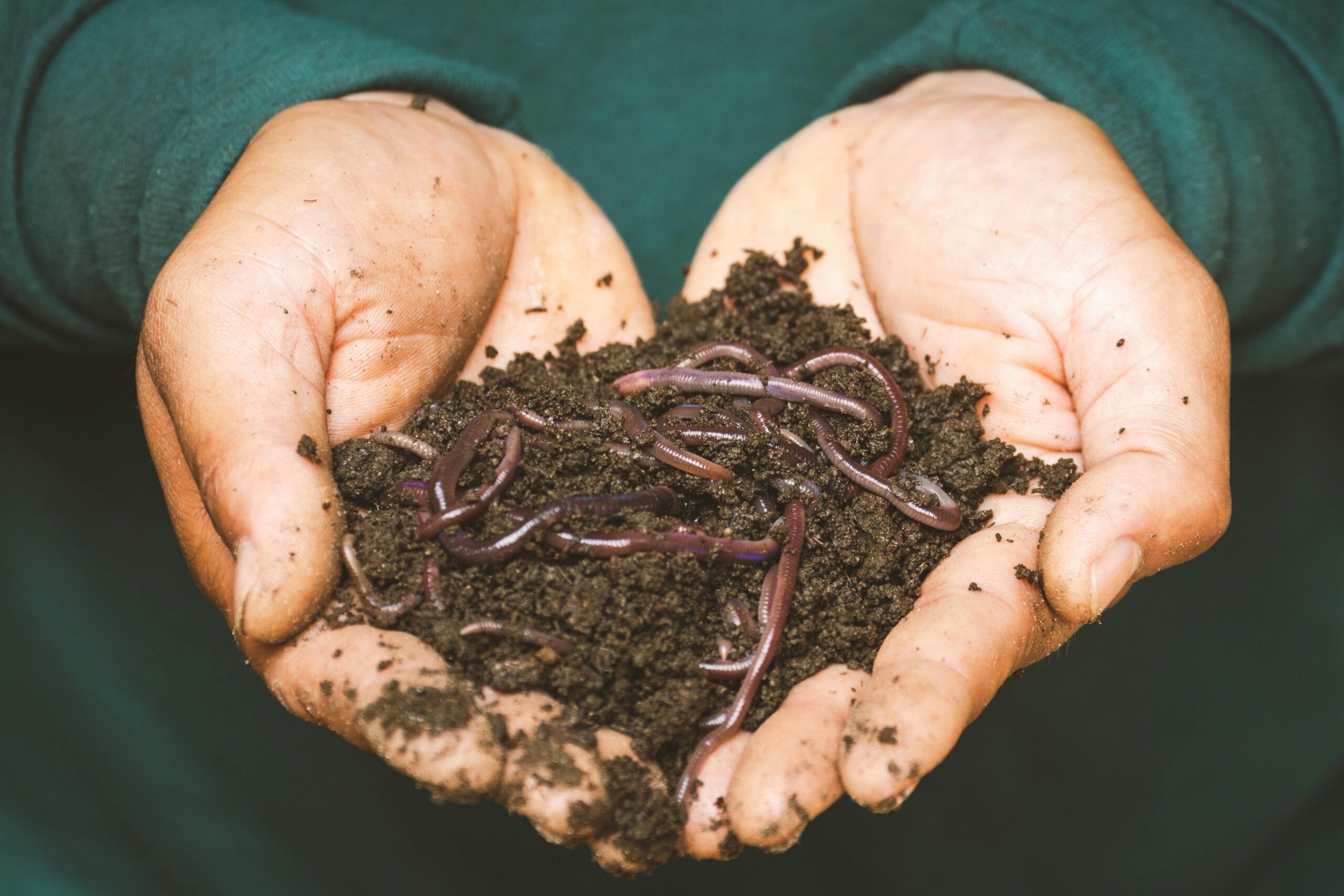
- Earthworms: Create channels for air and water, mix soil layers, and produce nutrient-rich castings
⚠️ Signs Your Soil Needs Nutrient Cycling Restoration
Recognizing degraded soil is the first step toward restoration. Several visible and measurable indicators suggest your soil’s nutrient cycling capacity has diminished. Poor plant growth despite adequate watering, increased pest and disease pressure, and soil that becomes either hard as concrete when dry or muddy when wet all point to underlying problems.
Compacted soil with poor drainage indicates reduced pore space and microbial activity. When water pools on the surface or runs off rather than infiltrating, the soil structure has likely deteriorated. Similarly, soil that forms a hard crust after rain lacks the aggregation that healthy organic matter provides.
Color can reveal much about soil health. Rich, dark brown or black soil typically contains abundant organic matter and active decomposition. Pale, gray, or reddish soils may indicate organic matter depletion, poor drainage, or chemical imbalances. A simple smell test also provides clues—healthy soil has an earthy, fresh aroma, while sour or ammonia-like odors suggest anaerobic conditions or imbalanced decomposition.
Reduced earthworm populations serve as a warning sign. These ecosystem engineers thrive in healthy soil with adequate organic matter and moisture. If you dig a square foot of soil to spade depth and find fewer than ten earthworms, your soil likely needs attention.
🛠️ Practical Strategies for Restoring Nutrient Cycling
Restoring degraded soil requires patience and consistent application of regenerative practices. Unlike synthetic quick fixes, biological restoration works with natural processes, gradually rebuilding soil structure, microbial populations, and nutrient availability. The following strategies form the foundation of effective soil revitalization.
Incorporating Organic Matter Regularly
Organic matter is the currency of soil health. Compost, aged manure, leaf mold, and plant residues feed soil organisms while improving structure. Apply a two to four-inch layer of compost annually, working it gently into the top few inches of soil or using it as mulch. This practice introduces beneficial microorganisms, provides slow-release nutrients, and increases the soil’s water-holding capacity.
Quality matters more than quantity. Well-made compost contains diverse microbial populations and balanced nutrients. Hot composting kills weed seeds and pathogens, while cool composting preserves more beneficial organisms. Vermicompost (worm castings) offers exceptional biological activity and plant-available nutrients in concentrated form.
Implementing Cover Cropping Systems
Cover crops protect and feed soil during periods when primary crops aren’t growing. These plants prevent erosion, suppress weeds, and pump carbon into the soil through their roots. Leguminous cover crops like clover, vetch, and field peas fix atmospheric nitrogen, reducing or eliminating synthetic fertilizer needs.
Different cover crops serve different purposes. Daikon radishes break up compacted layers with their deep taproots. Winter rye produces abundant biomass and scavenges excess nutrients. Buckwheat grows quickly, suppresses weeds, and attracts beneficial insects. Mixing multiple species creates diversity that benefits soil biology more than monoculture covers.
Terminate cover crops before they set seed by mowing, rolling, or lightly incorporating them into the soil. This timing ensures maximum nutrient return while preventing unwanted volunteers. The decomposing plant material feeds the next wave of soil organisms, continuing the nutrient cycling process.
Minimizing Soil Disturbance
Excessive tillage disrupts soil structure, destroys fungal networks, and exposes organic matter to rapid oxidation. Each tillage pass can reduce soil organic matter by releasing stored carbon as carbon dioxide. Adopting no-till or reduced-till practices protects soil structure and preserves the biological networks that facilitate nutrient cycling.
In gardens, broad forks can loosen compacted soil without inverting layers. Sheet mulching and permanent raised beds eliminate the need for annual tilling. For larger operations, specialized no-till seeders can plant directly into residue, maintaining soil integrity while establishing new crops.
Diversifying Plant Species
Monocultures deplete specific nutrients while failing to support diverse soil organisms. Crop rotation and polyculture planting distribute nutrient demands across different soil zones and feeding patterns. Deep-rooted plants access nutrients from lower soil layers, while shallow-rooted crops utilize surface resources.
Include plants from different families to disrupt pest and disease cycles while supporting various beneficial organisms. The diversity above ground translates to diversity below ground, creating more resilient nutrient cycling pathways.
💧 Water Management and Nutrient Cycling
Water plays an essential role in nutrient cycling by dissolving minerals, transporting nutrients, and supporting microbial activity. However, both water scarcity and excess can disrupt these processes. Proper water management ensures nutrients remain available and soil organisms thrive.
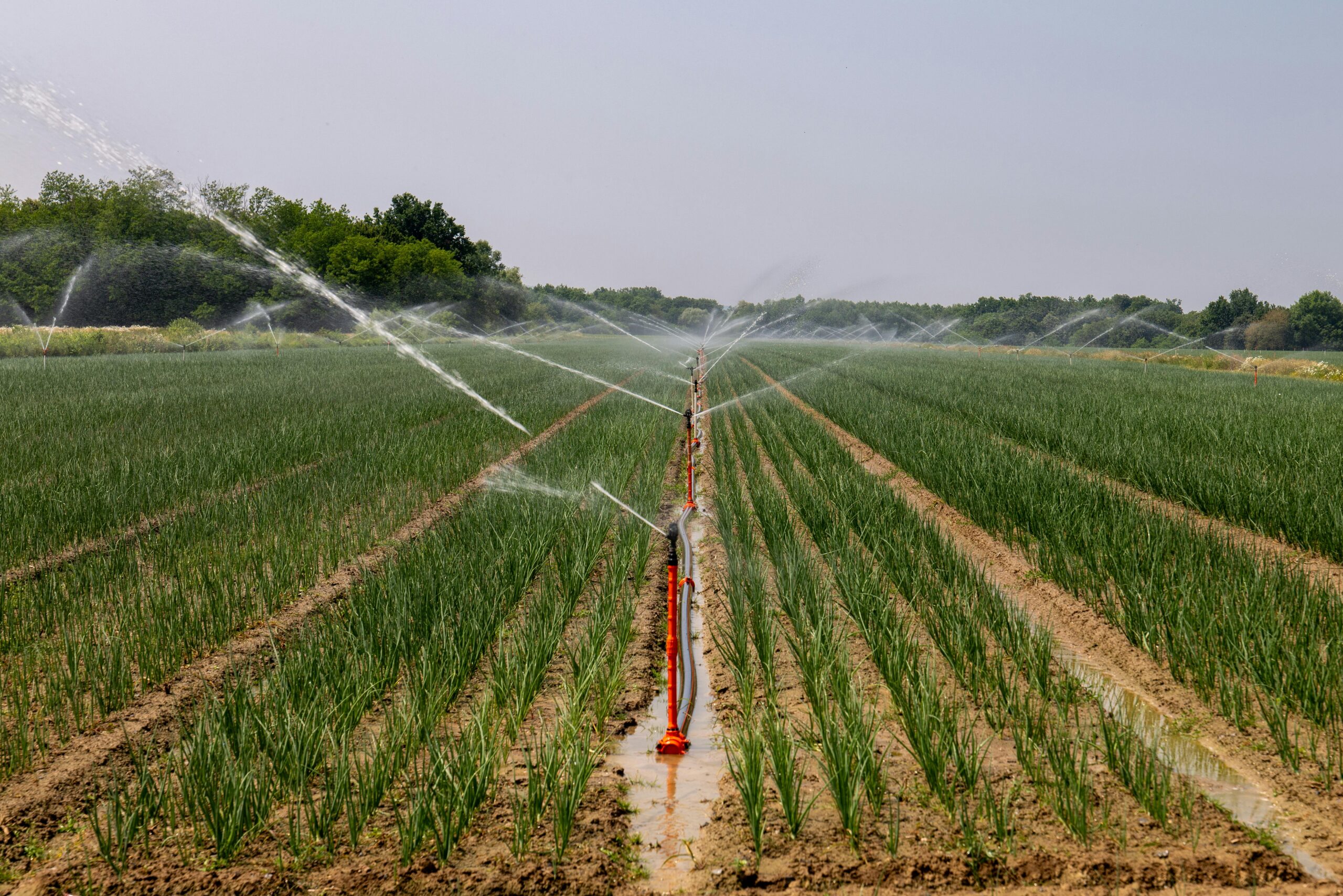
Irrigation timing and method significantly impact nutrient retention. Frequent shallow watering encourages surface rooting and nutrient leaching, while deep, infrequent watering promotes root development and keeps nutrients in the root zone. Drip irrigation and soaker hoses deliver water directly to plant roots with minimal waste, reducing nutrient loss from runoff or evaporation.
Mulching conserves soil moisture while moderating temperature extremes. Organic mulches like straw, wood chips, or shredded leaves gradually decompose, feeding soil organisms and adding organic matter. A three to four-inch mulch layer can reduce water needs by up to fifty percent while suppressing weeds that compete for nutrients.
🧪 Testing and Monitoring Soil Progress
Regular soil testing provides objective data about restoration progress. While visual observations offer valuable insights, laboratory tests reveal pH levels, nutrient concentrations, organic matter content, and cation exchange capacity—the soil’s ability to hold and release nutrients.
Conduct baseline testing before implementing restoration practices, then retest annually to track changes. Standard soil tests measure major nutrients (nitrogen, phosphorus, potassium) and pH, but comprehensive tests also evaluate micronutrients, organic matter percentage, and soil biology indicators.
Biological soil testing has gained prominence as understanding of soil ecology deepens. These tests quantify bacterial and fungal populations, assess microbial diversity, and identify beneficial organisms. While more expensive than chemical tests, biological assessments provide insight into the living component of soil health.
| Soil Health Indicator | Degraded Soil | Restored Soil |
|---|---|---|
| Organic Matter | Less than 2% | 4-6% or higher |
| Earthworms per cubic foot | 0-5 | 10-20+ |
| Water Infiltration Rate | Less than 0.5 inches/hour | 1-2+ inches/hour |
| Soil Structure | Dense, compacted | Aggregated, crumbly |
| Biological Activity | Low microbial counts | Diverse, abundant populations |
🌾 Long-Term Benefits of Restored Nutrient Cycling
Investing time and effort into nutrient cycling restoration yields returns that extend far beyond improved crop yields. Healthy soils with robust nutrient cycling become increasingly self-sufficient, requiring fewer external inputs over time. This reduces costs while minimizing environmental impact from fertilizer production and application.
Carbon sequestration represents one of soil restoration’s most significant global benefits. Healthy soils store atmospheric carbon in stable organic forms, helping mitigate climate change. Regenerative practices can transform agricultural land from a carbon source into a carbon sink, sequestering tons of carbon per acre annually.
Water quality improves when nutrient cycling functions properly. Well-structured soil with active biology retains nutrients rather than allowing them to leach into groundwater or run off into surface waters. This reduces harmful algal blooms, dead zones, and drinking water contamination associated with agricultural nutrient pollution.
Biodiversity flourishes in restored soils. The complex food web supports countless species of bacteria, fungi, invertebrates, and larger organisms. This diversity creates resilience against pests, diseases, and environmental stresses. Beneficial predators and parasites naturally control pest populations, reducing or eliminating pesticide needs.
Enhanced Plant Nutrition and Health
Plants grown in soil with active nutrient cycling access a broader spectrum of nutrients in optimal forms and ratios. Rather than receiving simplified, water-soluble synthetic nutrients, plants obtain nutrition through microbial partnerships that respond to their specific needs. This results in more nutritious produce with higher vitamin, mineral, and phytonutrient content.
Mycorrhizal fungi extend effective root surface area by up to 700 percent, accessing nutrients and water beyond plant roots’ reach. These fungi also produce compounds that improve soil aggregation and protect plants from certain pathogens. Supporting these relationships through reduced tillage and avoiding fungicidal products enhances overall plant performance.
🌍 Scaling Up: From Garden to Landscape
While individual gardens benefit tremendously from nutrient cycling restoration, the principles scale effectively to farms, ranches, and public lands. Regenerative agriculture movements worldwide demonstrate that large-scale soil restoration is both feasible and profitable. Farms transitioning to these practices often see increased profitability within three to five years as input costs decline and soil productivity rises.
Livestock integration accelerates nutrient cycling on larger properties. Managed grazing systems that move animals frequently prevent overgrazing while distributing manure evenly. Animals harvest forage, process it through their digestive systems, and return nutrients in readily available forms. Their hooves press seeds and organic matter into the soil surface, improving establishment and decomposition.
Agroforestry systems combine trees, crops, and sometimes animals in productive arrangements that mimic natural ecosystems. Trees provide shade, fix nitrogen, produce mulch from leaf fall, and access deep soil nutrients that become available when leaves decompose on the surface. These systems create vertical diversity that supports more complex nutrient cycling than annual cropping alone.
🔬 Emerging Technologies Supporting Soil Restoration
Scientific advances have deepened understanding of soil processes while creating new tools for restoration. Metagenomic sequencing now allows detailed analysis of soil microbial communities, revealing which organisms inhabit particular soils and how management affects them. This technology helps practitioners fine-tune approaches based on specific biological deficiencies.
Biological inoculants containing beneficial microorganisms offer potential shortcuts to rebuilding soil biology. Compost teas, compost extracts, and commercial microbial products can introduce diverse organisms to depleted soils. However, these work best when combined with practices that support microbial survival—adequate organic matter, appropriate moisture, and minimal disturbance.
Remote sensing and precision agriculture technologies help farmers monitor soil health across large areas. Satellite imagery, drone surveys, and sensor networks provide real-time data about crop health, moisture levels, and nutrient status. This information enables targeted interventions that address specific problem areas rather than uniform treatments.
💪 Overcoming Common Restoration Challenges
Soil restoration rarely proceeds without obstacles. Severely degraded soils may require several years of consistent effort before showing dramatic improvement. Patience proves essential, as biological processes operate on nature’s timeline rather than human expectations.
Economic constraints challenge some practitioners, particularly those transitioning from conventional to regenerative systems. Initial investments in compost, cover crop seeds, or equipment modifications may seem daunting. However, viewing these as investments rather than expenses shifts perspective—restored soil becomes an appreciating asset that generates returns for decades.
Knowledge gaps present another barrier. Many current farmers and gardeners learned conventional approaches that prioritize chemical inputs over biological processes. Education through workshops, mentorship programs, online resources, and demonstration projects helps build the skills needed for successful restoration.
Climate variability complicates restoration efforts. Droughts, floods, extreme temperatures, and unpredictable seasons stress both plants and soil organisms. Building soil organic matter improves resilience to these stresses by enhancing water holding capacity, moderating temperature fluctuations, and supporting robust microbial populations that help plants cope with adversity.
🎯 Taking the First Steps Toward Soil Revitalization
Beginning soil restoration need not be overwhelming. Start with small, manageable changes that build momentum and confidence. Add compost to a single bed this season, then expand to others as results become apparent. Plant a cover crop in the off-season to see how it affects soil structure and subsequent crop performance.
Observe your soil regularly. Dig holes to examine root development, soil structure, and biological activity. Notice how water behaves during rain—does it pool, run off, or infiltrate? Track earthworm populations over time. These simple observations provide feedback about whether your practices move soil in the right direction.
Connect with others engaged in similar work. Local gardening clubs, farmer networks, and online communities offer support, advice, and inspiration. Learning from others’ successes and mistakes accelerates your progress while building relationships that enrich the restoration journey.
Remember that soil restoration is not a destination but an ongoing process. Even healthy soils benefit from continued attention to nutrient cycling. The practices that restore degraded soil also maintain productive soil, creating a virtuous cycle where each season builds upon the last. As your soil improves, you’ll likely find yourself becoming an advocate for these practices, sharing knowledge and inspiring others to revitalize their own land.
The power to transform degraded soil into thriving, productive ground lies within reach of every gardener, farmer, and land steward. By understanding and supporting natural nutrient cycling processes, we participate in earth’s oldest recycling system—one that has sustained life for billions of years and will continue long into the future, provided we nurture rather than exploit it.