Anúncios
Water is the foundation of life, yet this precious resource faces unprecedented threats. Join the movement for shared water stewardship and help secure a sustainable future for generations to come.

🌊 Understanding the Global Water Crisis
Our planet is facing a critical water challenge that demands immediate attention and collective action. Despite Earth being covered by 71% water, only 2.5% is freshwater, and merely 1% is accessible for human use. This scarcity becomes even more alarming when we consider that water demand is projected to exceed supply by 40% by 2030.
Anúncios
The statistics paint a sobering picture of our current reality. More than 2 billion people worldwide lack access to safely managed drinking water services, while 4 billion people experience severe water scarcity for at least one month each year. Climate change intensifies these challenges, altering precipitation patterns and increasing the frequency of droughts and floods.
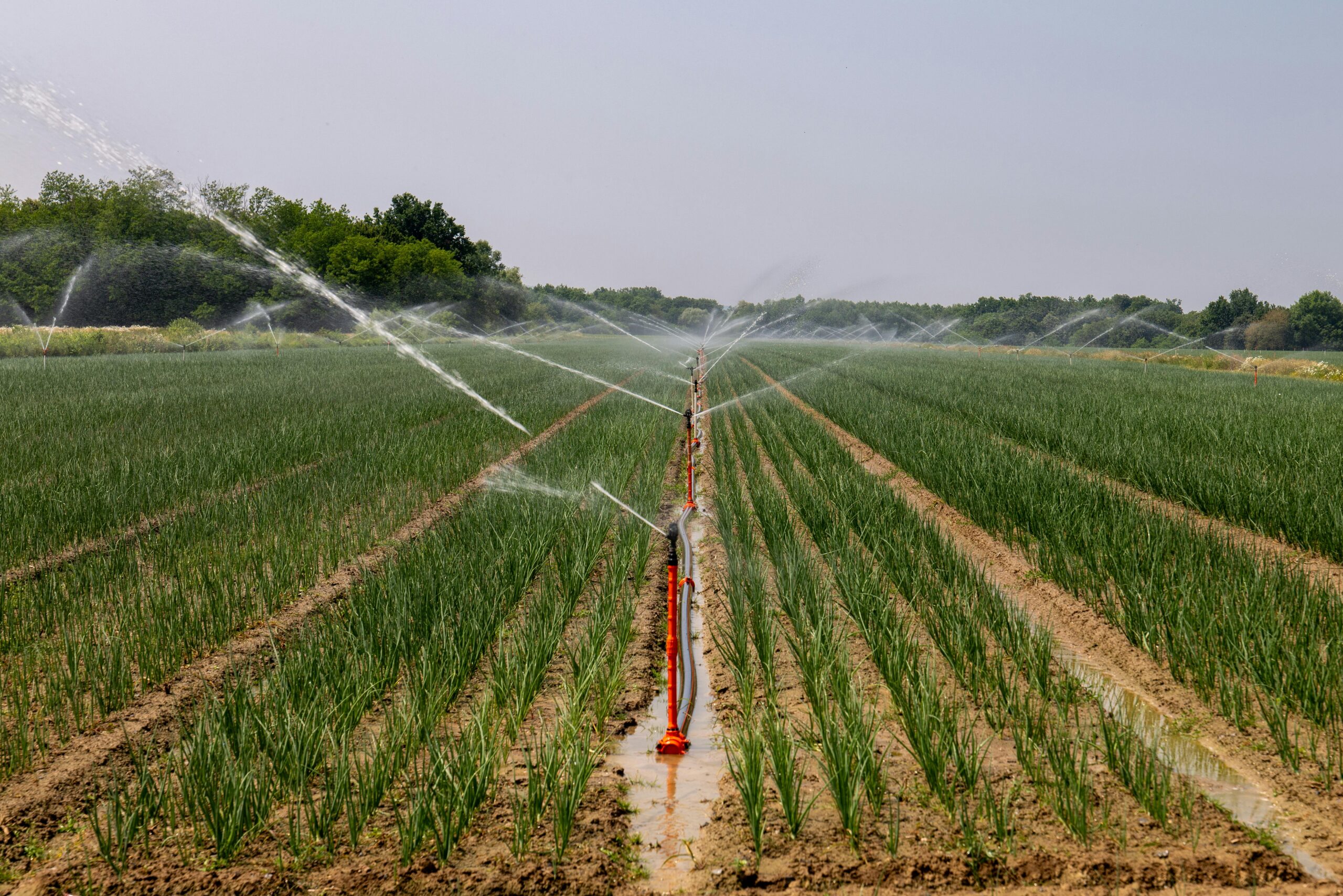
Industrial agriculture consumes approximately 70% of global freshwater resources, while pollution from industrial waste, agricultural runoff, and urban development continues to contaminate existing water supplies. These interconnected issues create a complex web of challenges that no single entity can solve alone, making shared water stewardship not just beneficial but absolutely essential.
Anúncios
💧 What Shared Water Stewardship Really Means
Shared water stewardship represents a collaborative approach to managing water resources that brings together diverse stakeholders including businesses, governments, communities, and environmental organizations. This framework recognizes that water challenges transcend individual property lines and political boundaries, requiring coordinated action at watershed and basin levels.
At its core, water stewardship involves understanding water use impacts, implementing efficiency measures, engaging in collective action, and ensuring transparency in water management practices. It moves beyond simple conservation to embrace a holistic view of water as a shared resource that supports ecosystems, economies, and communities simultaneously.
The Alliance for Water Stewardship defines this approach through five key outcomes: good water governance, sustainable water balance, good water quality status, healthy status of water-related areas, and safe water and sanitation for all. These pillars provide a comprehensive framework for organizations and communities to assess and improve their water management practices.
The Business Case for Water Stewardship
Forward-thinking companies increasingly recognize that water security directly impacts their bottom line and long-term viability. Water-related risks can disrupt supply chains, increase operational costs, damage reputations, and limit growth opportunities. Conversely, proactive water stewardship creates competitive advantages through operational efficiency, enhanced stakeholder relationships, and improved resilience to water-related risks.
Major corporations like Coca-Cola, PepsiCo, and Levi Strauss have implemented comprehensive water stewardship programs that have delivered measurable results. These initiatives demonstrate that sustainable water management and business success are not mutually exclusive but rather complementary objectives that strengthen both financial performance and social license to operate.
🤝 Building Effective Water Stewardship Partnerships
Successful water stewardship requires breaking down silos and fostering collaboration among traditionally separate sectors. Public-private partnerships have emerged as powerful vehicles for addressing water challenges, combining government authority, private sector innovation, and civil society engagement.
These partnerships work best when built on principles of transparency, mutual respect, and shared accountability. Each stakeholder brings unique strengths to the table: governments provide regulatory frameworks and public infrastructure, businesses contribute technological innovation and management expertise, while community organizations offer local knowledge and grassroots mobilization.
Community-Led Water Initiatives That Work
Grassroots water stewardship initiatives demonstrate the power of local action to create meaningful change. Community water associations, watershed councils, and neighborhood conservation groups are implementing practical solutions tailored to their specific contexts and needs.
In Kenya, community-managed water projects have improved access and quality for thousands of rural households while creating local employment opportunities. Australia’s Landcare movement has engaged millions of citizens in watershed restoration activities that have improved water quality across vast landscapes. These examples illustrate how empowered communities can become effective agents of water stewardship.
🌱 Practical Steps to Join the Water Stewardship Movement
Individual actions multiply into collective impact when enough people commit to water stewardship. Whether you’re an individual, business leader, or community organizer, there are concrete steps you can take to contribute to this vital movement.
For Individuals and Households
Start by conducting a personal water audit to understand your consumption patterns. Install water-efficient fixtures like low-flow showerheads and dual-flush toilets, which can reduce household water use by 20-60%. Harvest rainwater for garden irrigation, choose drought-resistant landscaping, and fix leaks promptly—a dripping faucet can waste more than 3,000 gallons annually.
Your consumer choices also matter significantly. Support companies with strong water stewardship commitments, reduce consumption of water-intensive products, and advocate for water-conscious policies in your community. Educate yourself about your local watershed and participate in citizen science water monitoring programs.
For Businesses and Organizations
Organizations should begin with comprehensive water risk assessments that identify vulnerabilities across operations and supply chains. Implement water accounting systems to track consumption and identify efficiency opportunities. Set measurable reduction targets aligned with science-based goals that account for local water context.
Invest in water-efficient technologies and processes, from recycling systems to precision agriculture techniques. Engage suppliers in water stewardship efforts, recognizing that supply chain water use often dwarfs direct operations. Participate in watershed-level collective action initiatives and contribute to water infrastructure improvements in water-stressed communities where you operate.
🔬 Innovative Technologies Transforming Water Management
Technological innovation is opening new frontiers in water stewardship, providing tools for more efficient use, better monitoring, and enhanced treatment capabilities. Smart water meters and sensors enable real-time monitoring of consumption patterns and rapid leak detection, reducing water losses that currently waste 45 billion cubic meters globally each year.
Advanced treatment technologies are making previously unusable water sources viable. Membrane filtration, ultraviolet disinfection, and advanced oxidation processes can purify contaminated water to potable standards. Desalination technologies, while energy-intensive, are becoming more efficient and affordable, offering hope for water-scarce coastal regions.
Digital Solutions for Water Stewardship
Digital platforms and mobile applications are democratizing water management knowledge and facilitating collective action. Water footprint calculators help individuals and businesses understand their impacts, while mapping tools visualize watershed conditions and stewardship opportunities.
Data analytics and artificial intelligence optimize water distribution networks, predict maintenance needs, and model climate change impacts on water availability. Blockchain technology enables transparent water rights trading and ensures traceability in water-intensive supply chains.
🌍 Policy Frameworks Supporting Water Stewardship
Effective water stewardship requires supportive policy environments that create incentives for sustainable practices and penalize wasteful or polluting behaviors. Integrated Water Resources Management (IWRM) has emerged as the dominant policy framework, emphasizing coordinated development of water, land, and related resources.
Progressive water pricing that reflects true costs encourages conservation while generating revenue for infrastructure investments. Water quality regulations protect public health and ecosystems, while allocation systems balance competing demands. Payment for ecosystem services schemes compensate upstream communities for watershed protection activities that benefit downstream users.
Advocating for Better Water Policies
Citizens and organizations can influence water policy through various channels. Participate in public consultations on water plans and regulations, join advocacy organizations working on water issues, and engage elected representatives about water priorities. Document and share successful stewardship models that demonstrate viable alternatives to status quo approaches.
Support policies that recognize water as a human right while also acknowledging its economic value. Push for transparent water data systems that enable informed decision-making and accountability. Advocate for adequate investment in water infrastructure, including both conventional systems and nature-based solutions.
🌿 Nature-Based Solutions for Water Security
Nature-based solutions leverage ecosystems to enhance water security while delivering co-benefits for biodiversity and climate resilience. These approaches often prove more cost-effective and sustainable than conventional gray infrastructure alone.
Watershed reforestation improves water quality, regulates flows, and reduces erosion. Constructed wetlands filter pollutants while providing wildlife habitat. Urban green infrastructure like bioswales and permeable pavement reduces stormwater runoff and recharges aquifers. Agricultural practices like cover cropping and conservation tillage improve soil water retention and reduce agricultural runoff.
The World Bank estimates that nature-based solutions could provide $7 trillion in annual benefits globally while addressing water security, climate adaptation, and biodiversity loss simultaneously. These solutions deserve greater investment and integration into water management strategies.
📊 Measuring and Reporting Water Stewardship Progress
What gets measured gets managed. Robust monitoring and reporting systems enable evidence-based decision-making and demonstrate accountability to stakeholders. Water stewardship initiatives should establish clear baseline conditions, set specific targets, and track progress using standardized metrics.
Key performance indicators might include water use intensity per unit of production, percentage of water recycled or reused, water quality parameters, ecosystem health indicators, and community water access rates. Reporting frameworks like the CDP Water Security questionnaire and the AWS International Water Stewardship Standard provide guidance for comprehensive disclosure.
Celebrating Success and Learning from Failure
Acknowledge and celebrate water stewardship achievements to maintain momentum and inspire others. Share success stories through multiple channels, recognizing contributors at all levels. Equally important is creating space to discuss challenges and failures, extracting lessons that inform future efforts.
Regular review cycles allow adaptive management that responds to changing conditions and new information. Foster a culture of continuous improvement where experimentation is encouraged and setbacks are viewed as learning opportunities rather than reasons for abandonment.
💪 Creating Lasting Change Through Water Stewardship
Transforming water management requires sustained commitment beyond short-term projects or temporary campaigns. Build enduring institutions and governance structures that outlast individual champions. Invest in education and capacity building that creates a pipeline of water stewardship leaders.
Embed water stewardship values into organizational cultures and community identities. Make water consciousness a social norm through storytelling, education, and visible leadership. Recognize that cultural change happens gradually through consistent messaging and demonstrated benefits.
Financial sustainability ensures water stewardship initiatives can continue long-term. Diversify funding sources, develop revenue-generating activities where appropriate, and build endowments that provide stable support. Demonstrate return on investment to maintain stakeholder commitment.
🌟 Your Role in the Water Stewardship Movement
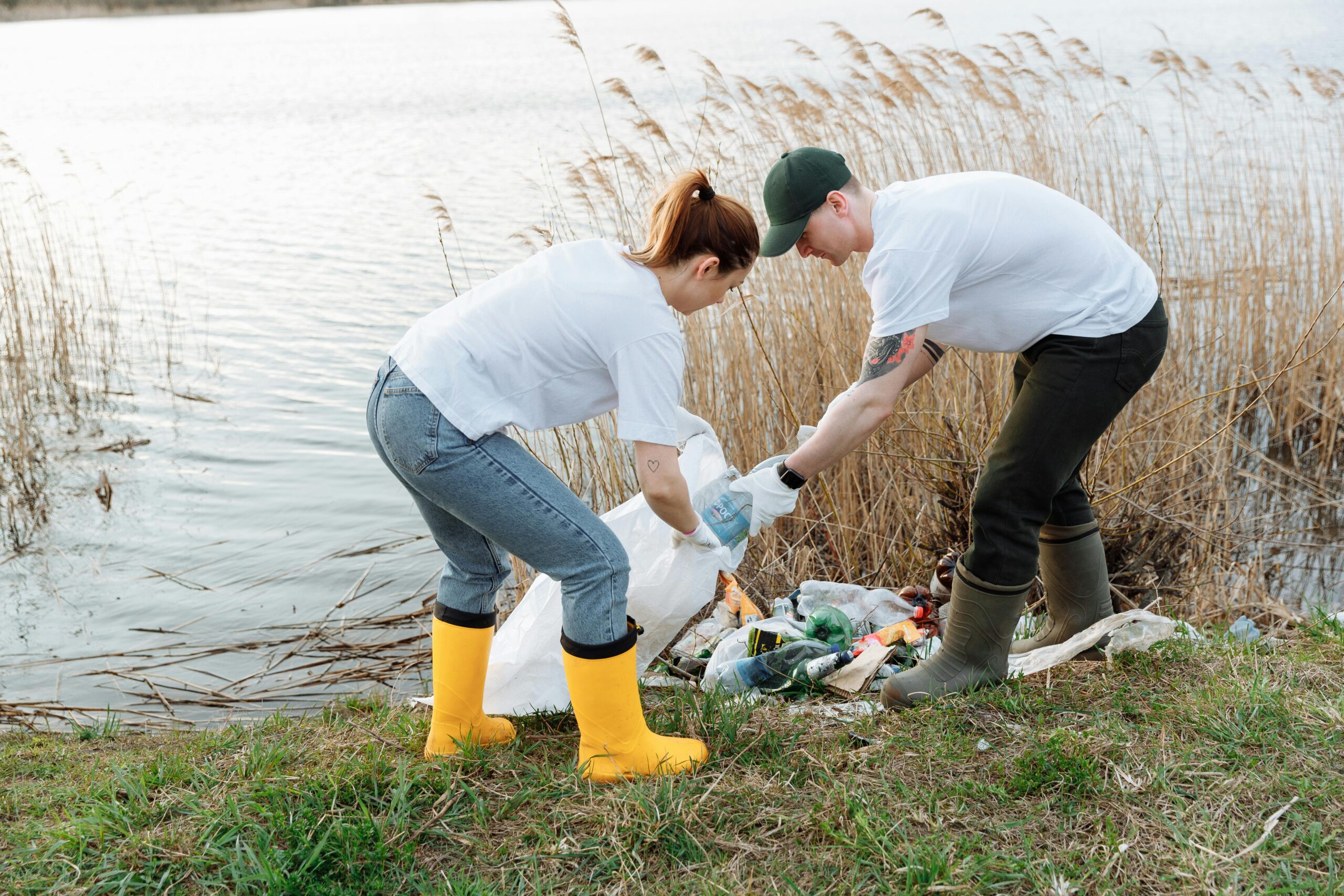
Every person and organization has a stake in water security and therefore a role to play in water stewardship. Your specific contribution will depend on your position, resources, and context, but the essential requirement is simply getting started.
Begin where you are with what you have. Small actions compound over time when multiplied across millions of participants. Share your journey with others, inviting them to join the movement. Connect with existing initiatives rather than always starting from scratch—collaboration amplifies impact.
Stay informed about water issues and solutions through reputable sources. Challenge yourself to deepen your understanding and expand your actions over time. View water stewardship not as a destination but as an ongoing journey of learning and improvement.
The water challenges we face are significant but not insurmountable. Shared water stewardship offers a proven pathway toward water security that honors both human needs and ecological integrity. By working together across boundaries and sectors, we can ensure that clean, abundant water remains available for all life on Earth. The movement needs your voice, your actions, and your commitment. The time to join is now—our sustainable future depends on the choices we make today about our most precious resource.